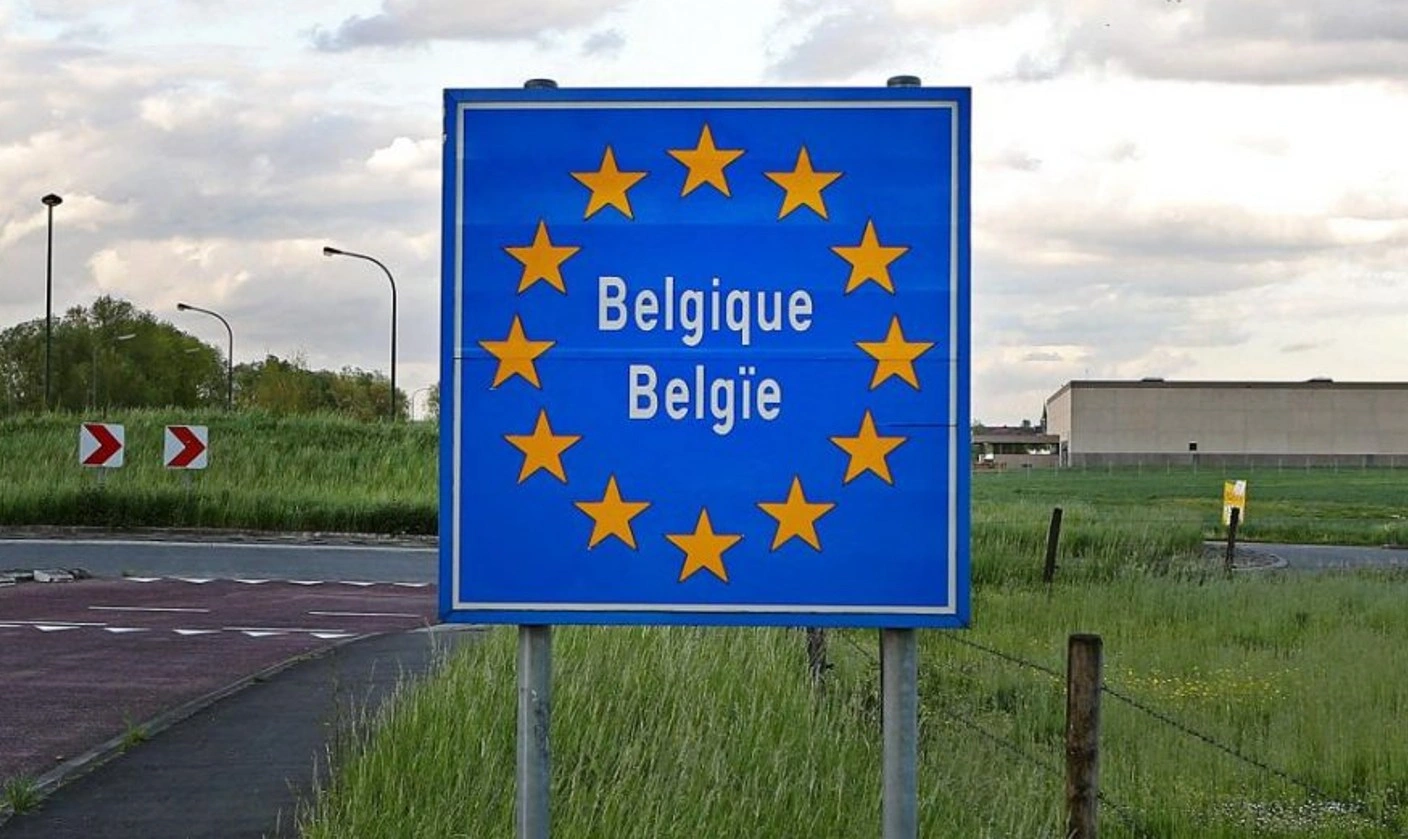
In a significant shift, Belgium is redefining its border concept with Morocco, extending it beyond geographical and migratory aspects to include property, heritage, and transfrontier economic resources. This change is reflected in two recent developments: the expulsion of 233 Moroccan nationals in eight months, and the investigation into possible real estate holdings in Morocco by social housing beneficiaries in Flanders. These actions indicate that borders are no longer just about controlling movement, but also about monitoring residence conditions, judicial records, and overseas assets.
The expulsion of 233 Moroccan nationals from Belgium in eight months is a notable development, with the country presenting this as an unprecedented level for the period. Meanwhile, Flemish authorities have conducted 368 investigations into potential real estate holdings in Morocco by social housing beneficiaries. Although presented separately, these actions are interconnected, reflecting a broader evolution in border management. For Moroccan residents in Belgium, this means that their presence on the territory may be subject to multiple forms of verification.
The traditional concept of borders is being redefined, with the focus shifting from geographical control to a more comprehensive approach that includes judicial and administrative aspects. This change is part of a larger trend, where borders are no longer just about controlling who enters or leaves, but also about monitoring the activities and assets of individuals with connections to other countries. The Moroccan diaspora in Belgium is now being monitored on both sides of the Mediterranean, with authorities scrutinizing their presence, convictions, and property holdings.
A new concept, "frontière patrimoniale" or patrimonial border, has been introduced to describe this expanded approach to border management. This concept acknowledges that borders not only control who can enter or stay but also oversee the assets and economic resources of individuals with connections to other countries. Possessing property in Morocco can now be a factor in determining eligibility for social housing in Belgium, illustrating the increasingly complex nature of border control.
The Belgian government's efforts to expel Moroccan nationals without residence permits have been presented as a success, with 1,239 people removed in eight months. However, this record needs to be analyzed in more depth, as it may be the result of various factors, including increased cooperation with the judiciary, improved identification procedures, and strengthened diplomatic agreements. A closer look at the data reveals that the actual number of effective expulsions is significantly lower than the number of decisions to deport.
The issue of expulsion is closely tied to the concept of a "patrimonial border," as authorities are now considering the property holdings and economic resources of individuals when making decisions about their residence status. This approach has significant implications for Moroccan nationals living in Belgium, who may face increased scrutiny and monitoring of their activities and assets. The Flemish authorities' investigations into social housing beneficiaries' property holdings in Morocco are part of this broader trend.
The redefinition of borders has significant implications for the Moroccan diaspora in Belgium, which numbers among the largest communities of non-EU nationals in the country. As authorities on both sides of the Mediterranean increasingly scrutinize the presence, convictions, and property holdings of Moroccan nationals, individuals with connections to both countries may face increased uncertainty and complexity in their daily lives.
Key points
- The concept of "frontière patrimoniale" or patrimonial border highlights the expanded approach to border management, which now includes monitoring property holdings and economic resources.
- The Belgian government's efforts to expel Moroccan nationals without residence permits have been presented as a success, but require closer analysis.
- The redefinition of borders has significant implications for the Moroccan diaspora in Belgium, which may face increased scrutiny and monitoring of their activities and assets.