Tanzania's recent polio vaccination campaign was a massive undertaking that involved a coordinated effort from various stakeholders, including government officials, health workers, community leaders, and partners like Gavi, the Vaccine Alliance, UNICEF, and WHO. The campaign aimed to protect children against polio, a disease that can have severe consequences if left unchecked. According to Dr. Andrew Method, Regional Medical Officer for Manyara Region, successful vaccination starts with preparation, including knowing where children are, where teams need to go, and what support they need to reach every community.
The planning phase of the campaign involved government officials from national, regional, and district health authorities working closely with partners to organize teams, supplies, community mobilization, and monitoring. This ensured that children could be reached, including those in hard-to-reach areas. Dr. Method emphasized that a successful vaccination campaign needs to start with preparation, highlighting the importance of knowing the location of children and the support needed to reach them. This phase is crucial in setting the stage for the rest of the campaign.
Community and religious leaders played a vital role in connecting the campaign with families, sharing information, encouraging caregivers to participate, and addressing questions or concerns. Pastor Amos Z. Nahhato, Elim Pentecostal Church Babati, noted that trusted local voices can help families understand what to expect from the vaccination teams. By building trust and confidence in the vaccination process, community leaders helped ensure that families were receptive to the health workers who would be visiting their homes.
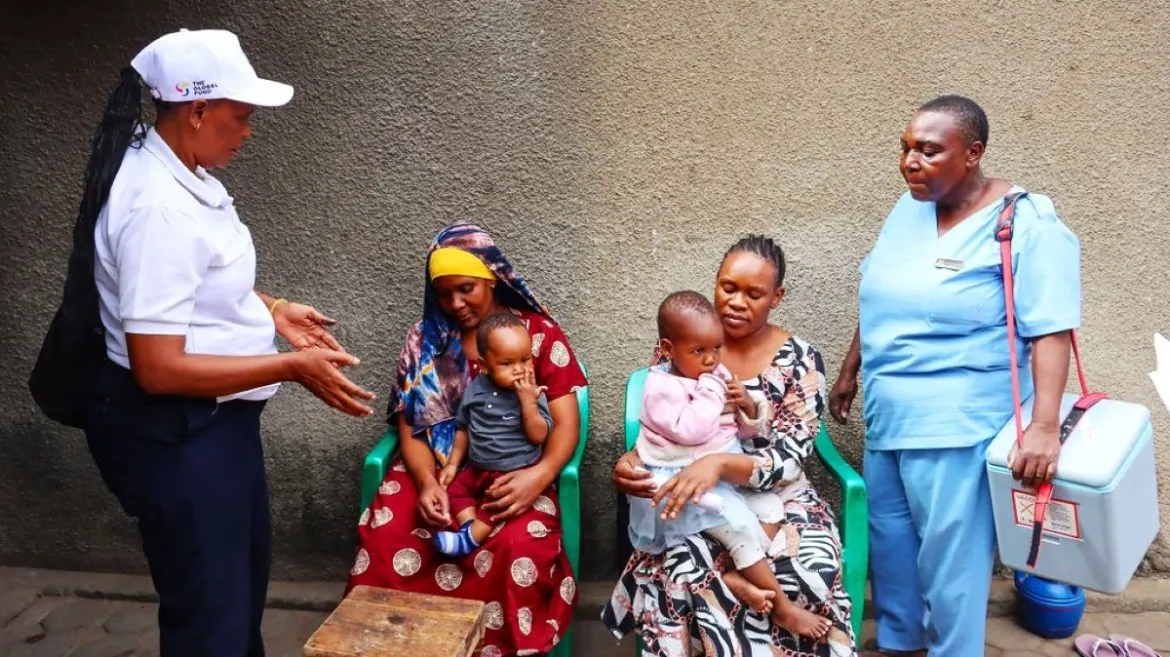
Community health workers, like Agnes Frednand Njaiko, were responsible for going from household to household, identifying eligible children, speaking with caregivers, and ensuring that no child was missed. Their work involved explaining the importance of the vaccine, answering questions, and making sure that every eligible child received the vaccination. This process often required multiple visits to a household, especially if a child was absent during the initial visit.
When the vaccinator arrived at a household, they confirmed the child's identity, administered the vaccine, and recorded the vaccination before moving on to the next household. Ester Njidile, a vaccinator, emphasized that giving the two drops of vaccine takes only a few seconds, but it's essential to ensure that the vaccine is administered correctly and that the information is recorded accurately. This attention to detail is critical in ensuring that every child is protected against polio.
The data management team, led by Elizabeth Changendo, played a crucial role in tracking progress and identifying gaps in the vaccination campaign. They collected and compiled information from the field, which was used to monitor progress and act on emerging gaps. This information was then used by supervisors, like Erick Bunziya Peter, to identify areas where teams may need to follow up and ensure that every child is reached.
For caregivers like Jamila Eddy, the vaccination visit was a straightforward process that involved a health worker explaining the purpose of the visit and asking them to make their child available for vaccination. After receiving the vaccination, Eddy noted that she had confidence in the process because the health worker explained everything clearly and answered her questions. The campaign's success ultimately depends on the collective effort of health workers, communities, and partners working together to reach children and strengthen protection against polio.
Key points
- A successful vaccination campaign in Tanzania depends on strong government leadership and the collective effort of health workers, communities, and partners.
- The campaign involved a complex chain of efforts from health authorities, community leaders, and health workers to reach children, especially in hard-to-reach areas.
- Trusted local voices, including community and religious leaders, played a vital role in building confidence and trust in the vaccination process.