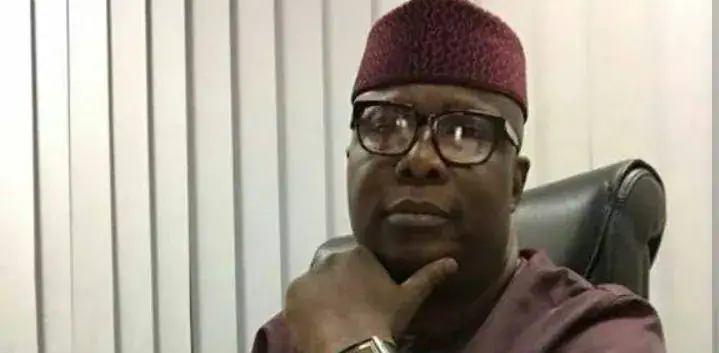
Nigerian leaders and citizens have been warned about the dangers of electoral violence in the upcoming elections. The warning was given by Babafemi Ojudu in an opinion piece published in the Daily Intel Newspaper on November 2, 2026. Ojudu noted that the signs surrounding the coming campaigns and elections are deeply troubling and that political hostility could degenerate into widespread violence. He called on political leaders, security agencies, and all patriotic Nigerians to act now to prevent this.
Ojudu cited Nigeria's history as a reason for concern, highlighting the electoral violence of 1964 and 1965 that helped create the conditions for the collapse of the First Republic in January 1966. The subsequent period was marked by coups, assassinations, mass killings, and a devastating civil war. He also mentioned the disputed elections and violence of 1983 that undermined the Second Republic and led to military rule. Ojudu emphasized that these tragedies had several causes, but one lesson is unmistakable: when political competition becomes warfare, the consequences can be overwhelming.
The author stressed that every political leader must take responsibility for the conduct of their supporters. He argued that condemning violence by opponents while excusing it within one's own camp is complicity. Ojudu called on security agencies to protect citizens impartially and bring perpetrators to justice, regardless of their affiliations. He emphasized that waiting until lives are lost and communities are engulfed in reprisals would be a tragic failure of leadership.
The issue of electoral violence is not limited to Nigeria, as many countries in the region face similar challenges. For instance, the Democratic Republic of Congo has experienced several episodes of electoral violence, while in Ghana, there have been concerns about the role of money in politics. In Nigeria, the situation is further complicated by the proliferation of small arms and the involvement of vigilante groups in the electoral process.
In a related development, the Socio-Economic Rights and Accountability Project (SERAP) has called for a probe into alleged AI-generated photos and manipulation of the Independent National Electoral Commission (INEC) voter register. This comes as the World Bank expressed mixed reactions over the Nigerian government's claim of disbursing N658.9 billion to 10.46 million poor households.
The Joint Admissions and Matriculation Board (JAMB) has also warned that admission offered outside the Centralized Admissions Processing System (CAPS) is invalid. This is as the Nigerian government moves to strengthen border cooperation with seven ECOWAS countries. The government has also been working to address various challenges, including the recent resurgence of Ebola in Nigeria.
As the election season approaches, Nigerians are urged to remain vigilant and to prioritize peaceful and lawful means of resolving disputes. The government, security agencies, and citizens must work together to prevent electoral violence and ensure a free and fair election. The consequences of failure will be severe, and it is essential that all stakeholders take responsibility for promoting peace and stability.
Key points
- Nigerian leaders warn against electoral violence ahead of upcoming polls
- History of electoral violence in Nigeria and its devastating consequences
- Citizens, leaders, and security agencies must work together to prevent electoral violence