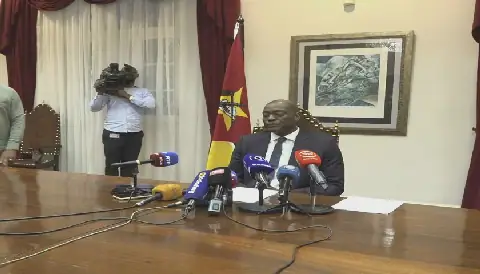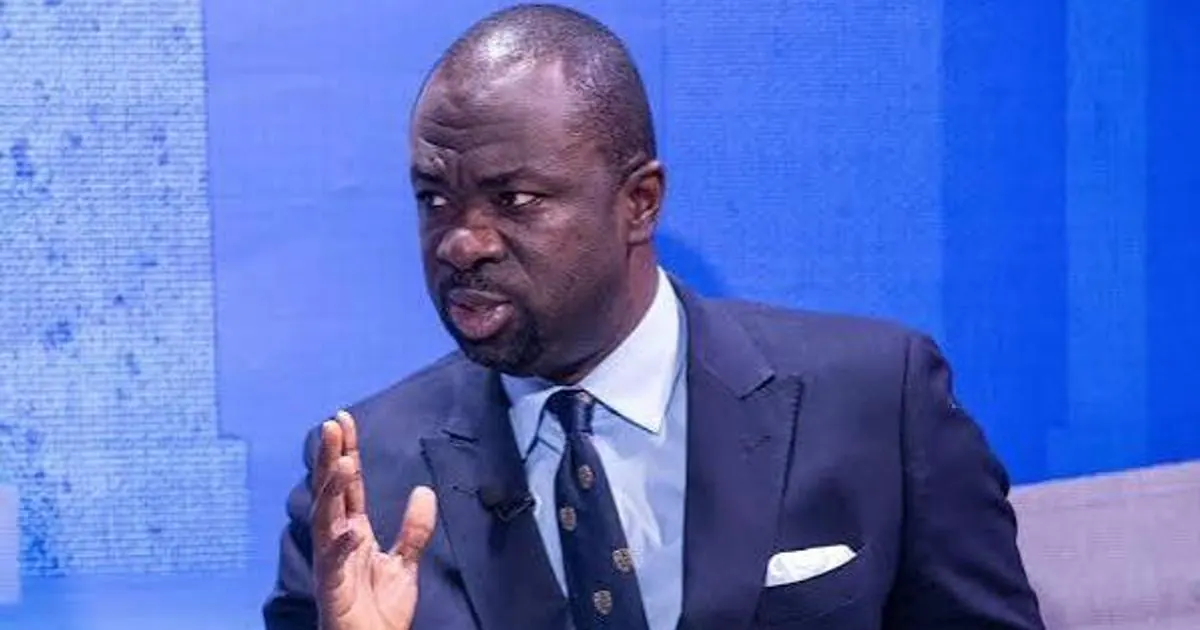
A reported confrontation involving Manhyia South MP Nana Agyei Baffour Awuah at the Accra High Court on Wednesday, September 23, has sparked debate about the legal protections available to Members of Parliament and the process authorities must follow when seeking to arrest an MP. The incident occurred after a High Court hearing involving detained nurse Salomey Baffoe Awiti, who has been linked to the Ghana Jollof TikTok account.
Ghana's law provides specific protections for MPs in connection with parliamentary proceedings. According to Article 117 of Ghana's 1992 Constitution, MPs have protection from the service or execution of civil or criminal process while attending or traveling to and from parliamentary proceedings. However, this protection does not amount to blanket immunity from arrest or criminal investigation simply because a person is an MP.
The incident at the Accra High Court involved a woman identifying herself as an EOCO officer asking the MP to accompany her. The MP reportedly sought to know the woman's identity and the reason for the intended arrest but declined to go with her. A confrontation then followed around the MP's vehicle, with a man believed to be part of the lawyer's team opening the car door and pushing the woman aside as the MP drove away.
The protection provided by Article 117 of Ghana's Constitution refers specifically to proceedings of Parliament and does not provide that an MP cannot be arrested simply because the Member is inside a court or attending a court proceeding. Nana Agyei Baffour Awuah was at the Accra High Court in his capacity as a lawyer representing Salomey Baffoe Awiti during the bail proceedings, and his presence at the High Court does not trigger the parliamentary protection.
Article 14 of the Constitution protects personal liberty and sets out circumstances in which a person may lawfully be deprived of that liberty. Where a person is arrested on suspicion of a criminal offense, the person must be informed immediately of the reasons for the arrest and of the right to a lawyer. The Constitution also requires a person arrested or detained in connection with a criminal offense to be brought before a court within 48 hours if not released.
The events at the Accra High Court should be separated from the question of parliamentary immunity. Being an MP does not, on its own, place a person beyond criminal investigation or lawful arrest. Authorities seeking to arrest an MP must have a lawful basis for doing so and comply with the constitutional requirements governing arrest and personal liberty. Questions remain about whether EOCO had formally invited the MP, whether there was a lawful basis for an arrest, and whether the officers acted within their statutory powers.
Key points
- The incident raises questions about the process authorities must follow when seeking to arrest an MP.
- Ghana's law provides specific protections for MPs in connection with parliamentary proceedings.
- The protection provided by Article 117 of Ghana's Constitution refers specifically to proceedings of Parliament.