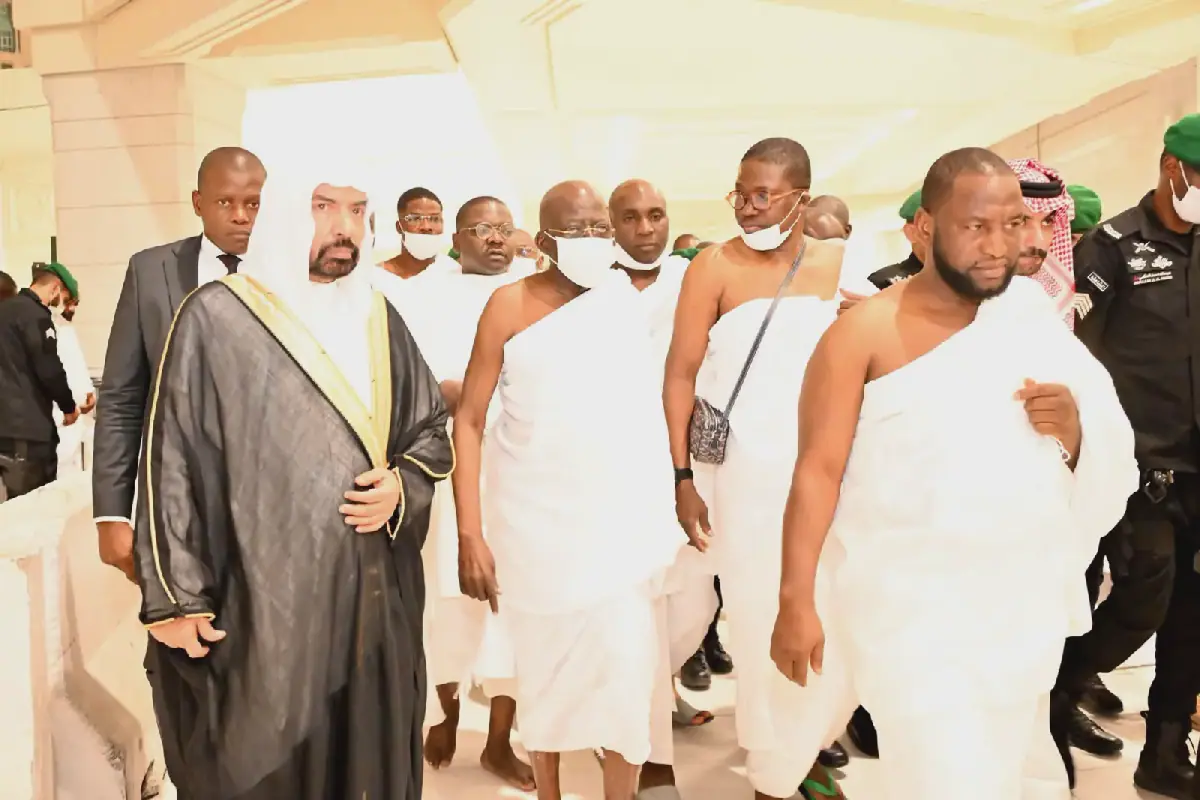
Former Vice President Atiku Abubakar has called for daily photographic evidence of President Bola Ahmed Tinubu's Umrah pilgrimage in Makkah. In a statement released on October 28, 2026, Atiku suggested that the President's announced pilgrimage might be a smokescreen for an undisclosed journey to France. He also demanded daily photographic evidence of the President's presence at the Holy Kaaba, while introducing allegations concerning his health and a purported $20 billion financial arrangement.
The Presidency has a responsibility to communicate significant presidential engagements, but the legitimate public interest in presidential travel does not automatically create an obligation to provide political opponents with a continuous visual record of religious worship. President Tinubu departed on October 29 for his announced pilgrimage, and Atiku's demands were issued the previous day, before the President had even commenced his journey. A former Vice President understands that a scheduled pilgrimage cannot be judged before it has taken place.
Atiku's statement raises serious questions about the quality, priorities, and maturity of Nigeria's opposition politics. The attempt to associate a sacred pilgrimage with financial allegations for which supporting documentation has not been presented in the statement is more disturbing. If Atiku possesses credible intelligence concerning a $20 billion loan arrangement, Nigerians deserve to see the evidence. Such an allegation cannot acquire credibility simply because it appears in a politically charged press release.
As a former Vice President and practising Muslim, Atiku understands the spiritual significance of Umrah. Pilgrims travel to Makkah in humility, seeking divine forgiveness, guidance, and blessings. The Holy Qur'an instructs believers: "And complete the Hajj and Umrah for Allah." The sacred obligation is owed to Almighty Allah, not to political opponents demanding daily photographic certification.
Atiku's statement also raises a broader question about political priorities. Nigeria is confronting significant economic, security, and developmental challenges. A credible opposition should be examining government expenditure, proposing alternatives, interrogating policy implementation, and presenting a coherent programme for national development. Instead, considerable political attention is being devoted to whether the President will supply photographs of himself praying.
There is nothing improper about demanding transparency concerning the funding of presidential travel, official engagements, or public expenditure. Indeed, such scrutiny is essential in a democracy. But transparency must be pursued through evidence and proportionate demands, not through insinuations that risk trivialising religious observance. Atiku has also offered to join the President in prayers for Nigeria's peace and progress.
Nigeria deserves robust political competition, responsible leadership, factual debate, and respect for the constitutional right to religious freedom. President Tinubu must remain accountable for the conduct of his office, and Atiku, equally, must remain accountable for the accuracy and reasonableness of his public accusations. The real test of opposition leadership is not how aggressively it questions a President's prayers, but how convincingly it addresses the problems of the Nigerian people.
Key points
- Atiku Abubakar demands daily photographic evidence of President Tinubu's Umrah pilgrimage, sparking concerns about opposition politics and accountability.
- The demand raises questions about the quality, priorities, and maturity of Nigeria's opposition politics.
- The issue highlights the need for responsible leadership, factual debate, and respect for the constitutional right to religious freedom in Nigeria.