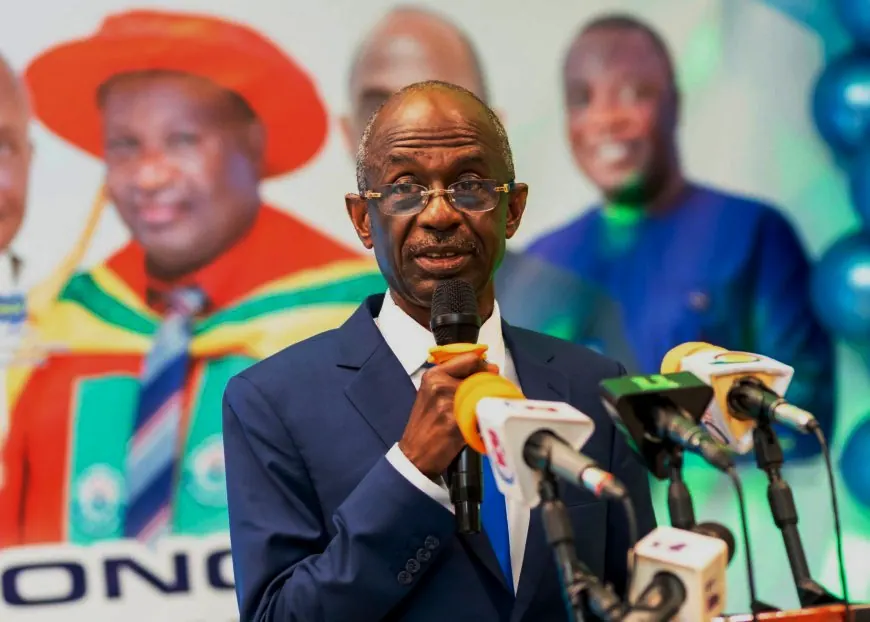
National Chairman of Ghana's National Democratic Congress (NDC), Johnson Asiedu Nketiah, has called on journalists to remain independent and report fairly, without being swayed by complaints from politicians. Speaking at the 4th Bono Regional Ghana Journalists Association (GJA) Awards in Sunyani on September 19, 2026, he emphasized the importance of fact-based reporting. The event's theme was "Ethics, Integrity and Impactful Journalism – Essential Ingredients for Societal Transformation."
Asiedu Nketiah stressed that journalists should not allow politicians' opinions to dictate whether their reporting is fair. He noted that politicians would naturally have opinions about media coverage, but these opinions should not be the yardstick for determining journalistic fairness. Journalists should subject claims and allegations to proper scrutiny and report the facts, regardless of the outcome's impact on a political party or government.
The NDC Chairman advised journalists to report completed projects as such, establish facts when projects fail, and avoid presenting unsubstantiated allegations as facts. He emphasized that the credibility of journalists is their most valuable professional asset and warned that losing public trust is difficult to regain. Asiedu Nketiah also highlighted the importance of professional journalism in the changing information environment, where social media and artificial intelligence can spread misinformation.
Asiedu Nketiah encouraged journalists to track public projects by establishing what had been awarded, who was executing the work, the contractual completion date, and whether the public ultimately received what it had paid for. This, he said, would help citizens assess government performance and create an independent historical record of development projects. He also called on journalists to maintain a permanent record of major public investments and follow up on them beyond initial announcements.
The NDC Chairman stated that the government should expect scrutiny from the media, with ministers answering legitimate questions, public expenditure examined, and government promises checked against actual delivery. He urged politicians to avoid treating difficult questions from journalists as hostility, saying uncomfortable questions could draw attention to issues that those close to political leaders might be reluctant to raise.
Asiedu Nketiah also called for better working conditions for journalists and sustainable media institutions, enabling journalists to build respectable careers without becoming financially dependent on politicians, businesses, or institutions they cover. He congratulated award-winning journalists and urged them to protect their professional reputations. According to him, people eventually recognize which reporter checks facts, understands the subject, and can be trusted when an issue becomes politically difficult.
In conclusion, Asiedu Nketiah emphasized the importance of fair and fact-based reporting in promoting societal transformation. He encouraged journalists to uphold the highest standards of ethics and integrity in their work, ensuring that the public receives accurate and unbiased information. By doing so, journalists can contribute to a more informed and engaged citizenry, ultimately strengthening Ghana's democracy.
Key points
- Asiedu Nketiah urges journalists to report facts, not based on politicians' complaints.
- Journalists should track public projects and maintain a permanent record of major public investments.
- Better working conditions and sustainable media institutions are necessary for journalists to build respectable careers.