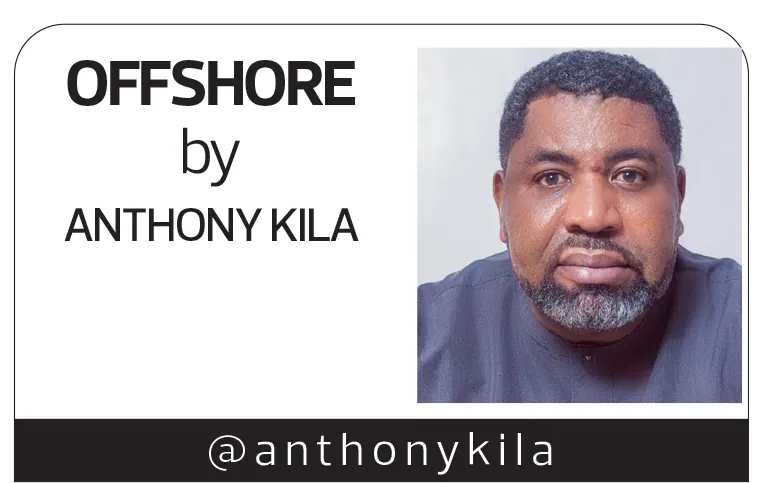
In a heartfelt letter, columnist Anthony Kila has urged Trevor Noah, the renowned South African comedian and host of The Daily Show, to use his influential voice to address the growing crisis of xenophobia in South Africa. Kila emphasizes that Noah's credibility, earned through his thoughtful conversations and insightful commentary on various issues, including racism and police violence in America, makes him a valuable voice in this critical conversation.
South Africa is grappling with a painful contradiction, having inspired the world by defeating apartheid, yet struggling to prevent organized hostility towards fellow Africans. Migrants are intimidated, businesses are attacked, and communities live in fear. The immediate causes of this crisis include unemployment, inequality, pressure on public services, weak border enforcement, and widespread frustration. Kila acknowledges that these are real problems that require a responsible government response.
However, Kila argues that there is another truth that deserves equal clarity: no immigration policy authorizes mobs, and no constitutional democracy allows ordinary citizens to decide who belongs or whose property may be looted. He emphasizes that the moment law yields to the crowd, everyone becomes vulnerable. This crisis demands more than political analysis; it demands moral clarity, which Noah is uniquely positioned to provide.
Kila highlights the contrast between Noah and Elon Musk, another recognizable South African figure who has made his worldview unmistakably clear. While Musk has accumulated extraordinary wealth and shaped technology, Noah has accumulated extraordinary trust and shaped conversation. Kila notes that Noah's influence rests less on power than on affection, making his silence on this issue particularly significant.
Kila is not asking Noah to defend illegal immigration, condemn South Africans, or choose between his country and his continent. Rather, he is urging Noah to defend the principle that governments enforce laws while citizens obey them, and that frustration never justifies collective violence against defenseless people. He is also asking Noah to defend the idea that Africans should not fear other Africans merely because they have crossed an invisible line on a map.
This is not just about politics; it is about conscience and the unfinished work of Nelson Mandela's generation. Kila believes that Noah's generation may have to defend something equally fundamental: the idea that African solidarity means more than speeches delivered on Africa Day. He argues that Pan-Africanism is measured not by slogans but by how we treat one another when times are difficult.
Ultimately, Kila's plea to Noah is for him to use his voice to elevate the conversation and defend civilization. He believes that Noah's silence carries weight, not because silence is always wrong, but because there are moments when those capable of elevating a conversation should not abandon it. Africa needs Noah's voice, not to solve the crisis, but to ensure that reasonable voices dominate the conversation, rather than less thoughtful ones.
Key points
- Anthony Kila urges Trevor Noah to use his influential voice to address South Africa's growing xenophobia crisis.
- The crisis demands moral clarity, which Noah is uniquely positioned to provide due to his credibility earned through thoughtful conversations.
- Kila is asking Noah to defend the principle that governments enforce laws while citizens obey them and that frustration never justifies collective violence against defenseless people.