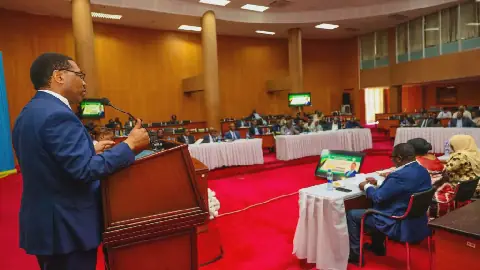
The Ministry of Health in Angola announced last week that the country's life expectancy has increased from 61 to 64 years. This improvement is attributed to the government's commitment to healthcare and the well-being of its population. According to Helga Freitas, Director National of Public Health, significant investments in the sector have contributed to a reduction in malaria and HIV/AIDS-related deaths.
The Ministry of Health, led by Sílvia Lutucuta, believes that the increase in life expectancy is largely due to the construction of new reference units and massive vaccination campaigns. However, this announcement was made in the same week that the National Institute of Statistics (INE) reported that over 15 million Angolans live in extreme poverty. The INE's report highlighted difficulties in accessing education, healthcare, sanitation, and housing as primary causes of poverty.
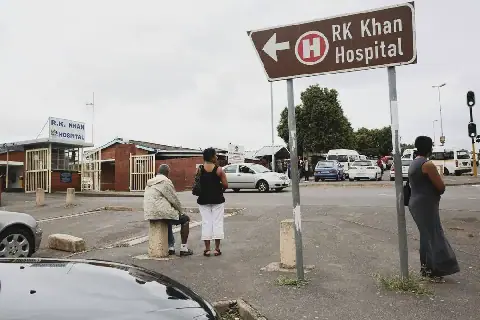
Despite investments in healthcare, particularly in the construction of new tertiary hospitals, the country's healthcare system still faces significant challenges. The lack of primary healthcare units and an insufficient number of medical specialists and medications have contributed to high mortality rates. Adriano Manuel, a renowned pediatrician and president of the Medical Union, noted that malaria and acute diarrheal diseases remain major causes of high mortality rates in Angola.
Adriano Manuel acknowledged that investments have been made in the healthcare sector but expressed concern that mortality rates due to malaria have remained almost unchanged over the past 20 years. He criticized the government's focus on curative care, emphasizing the need for more investment in preventive care. Manuel argued that the high number of patients and limited number of doctors are significant factors contributing to mortality rates.
The government's emphasis on constructing new hospitals has been met with skepticism by some, who argue that this approach may not necessarily lead to improved healthcare outcomes. Fernando Pacheco, a columnist, referred to the new hospitals as "Dubai-style hospitals," highlighting concerns about the prioritization of curative over preventive care.
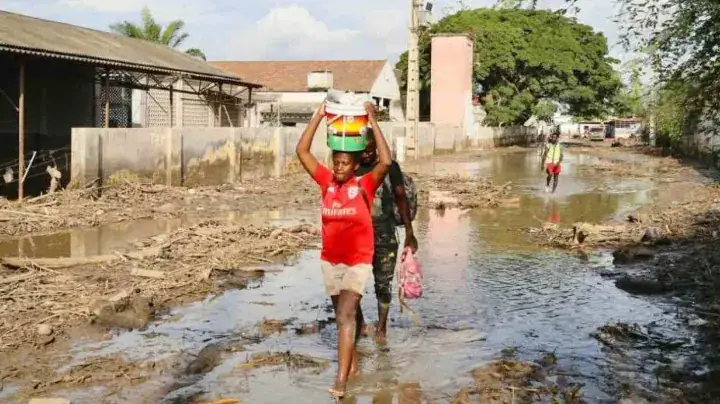
Many citizens have expressed doubts about the reported increase in life expectancy, given the country's high rates of poverty, mortality, and limited access to basic services like clean water, sanitation, and healthcare. Some have questioned how life expectancy can improve when many Angolans face significant challenges in accessing quality healthcare, food, and other essential services.
Experts emphasize that life expectancy is influenced by a range of factors, including living conditions, sanitation, poverty reduction, access to clean water, adequate food, and individual health choices. Therefore, a comprehensive approach that addresses these underlying factors is necessary to improve life expectancy and overall quality of life.
Key points
- The increase in life expectancy in Angola is attributed to investments in healthcare and well-being.
- Despite this increase, the country still faces significant healthcare challenges, including high mortality rates due to malaria and limited access to healthcare services.
- Experts stress the need for a comprehensive approach to improve life expectancy, addressing factors such as poverty, sanitation, and access to healthcare.
Reporting sources
- No topo da colina: A nossa esperança de vida aumentou? · novojornal.co.ao