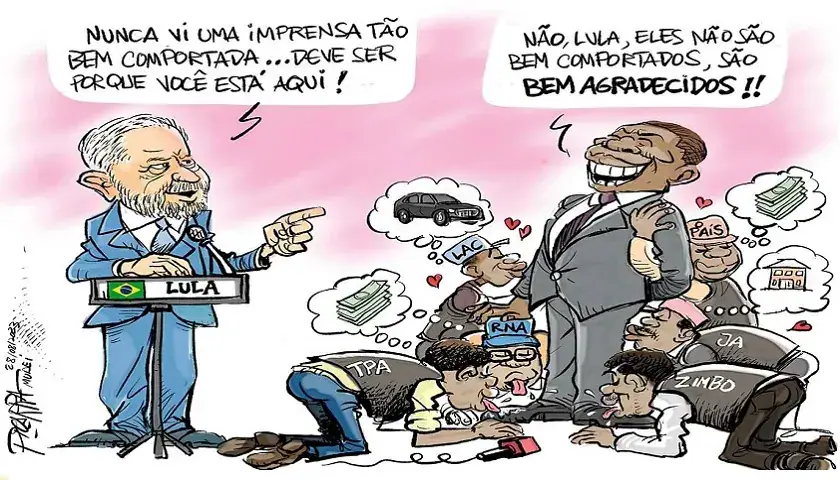
The criminalization of opinion in Angola continues to stifle independent journalism, with the government using crimes against honor to silence critics and journalists. Despite the country's constitution guaranteeing freedom of expression and press, the government frequently invokes the penal code to punish journalists. This has resulted in a culture of self-censorship and fear among journalists, who are reluctant to investigate and report on corruption and abuse of power.
The Angolan government's actions contradict its international commitments to protect human rights and press freedom. The country is a signatory to the Universal Declaration of Human Rights, the African Charter on Human and Peoples' Rights, and the SADC guidelines, which emphasize the importance of freedom of expression and a free press. However, the government's actions suggest a disregard for these commitments, with journalists facing prosecution and imprisonment for exercising their right to free speech.
Journalists in Angola face significant challenges, including intimidation, harassment, and prosecution. William Tonet, a prominent journalist and former director of the weekly newspaper Folha 8, has faced 177 lawsuits throughout his career, a number that he describes as "absurd" and "statistically aberrant." Tonet's experience illustrates the lengths to which the government will go to silence critical voices and stifle investigative journalism.
The Angolan government's use of crimes against honor to silence journalists has significant implications for democracy and governance. By stifling critical voices and independent journalism, the government is able to operate with relative impunity, free from scrutiny and accountability. This undermines the principles of transparency and accountability that are essential for democratic governance.
The criminalization of opinion in Angola has a chilling effect on press freedom and freedom of expression. Journalists are reluctant to investigate and report on corruption and abuse of power, fearing prosecution and reprisal. This creates a culture of self-censorship and fear, where journalists prioritize avoiding trouble over telling the truth.
To address these challenges, Angolan authorities must reform the country's laws and policies to protect press freedom and freedom of expression. This includes repealing or reforming the crimes against honor laws, which are used to silence journalists and critics. The government must also ensure that journalists are able to work freely and safely, without fear of intimidation, harassment, or prosecution.
The international community has a role to play in promoting press freedom and democracy in Angola. Diplomatic pressure and support for Angolan journalists and civil society organizations can help to raise awareness about the challenges facing the country and promote reform. Ultimately, the Angolan government must prioritize the protection of human rights and press freedom, and work to create a culture of transparency and accountability.
Key points
- The Angolan government's use of crimes against honor to silence journalists and critics undermines press freedom and democracy.
- The international community has a role to play in promoting press freedom and democracy in Angola.
- Reforming the country's laws and policies to protect press freedom and freedom of expression is essential for promoting democracy and governance in Angola.