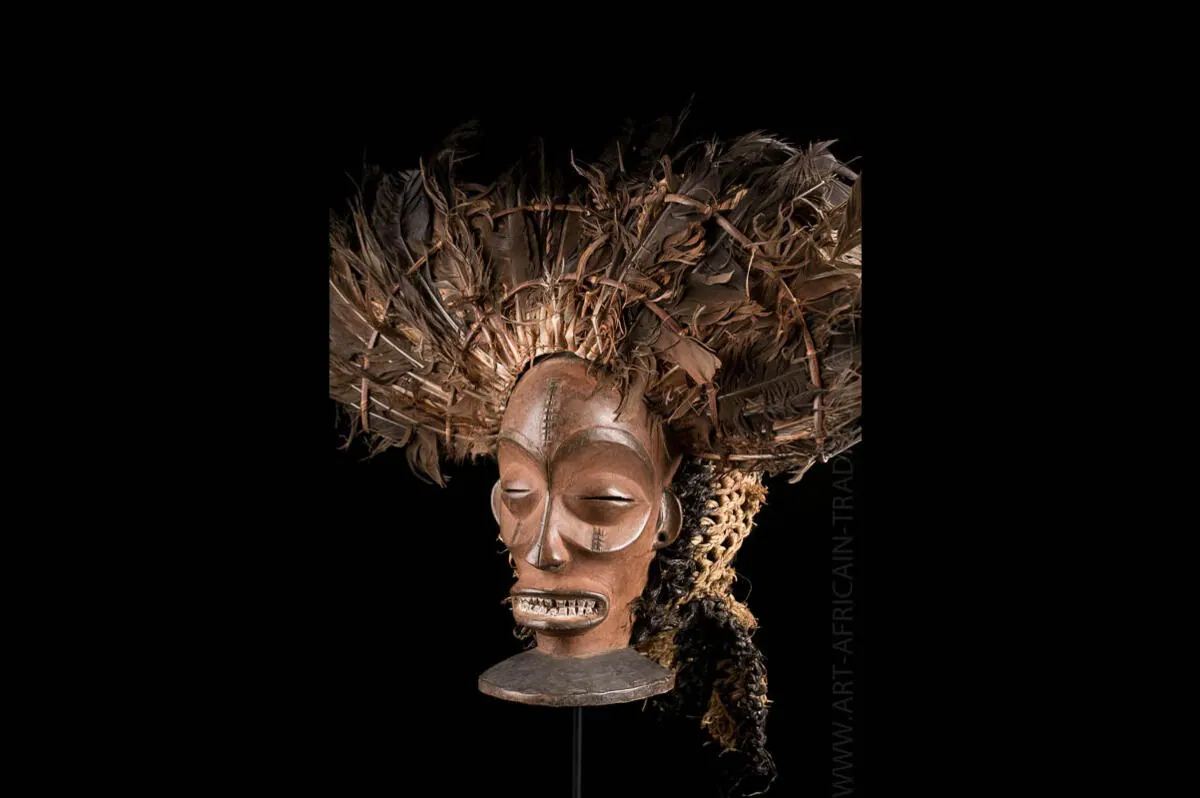
The Cihongo mask is an integral part of Angola's cultural heritage, specifically within the Cokwe community. This sacred symbol is deeply rooted in the community's traditions and customs, representing a connection to their ancestors and the spiritual realm. The mask is an example of the community's rich cultural practices, which have been passed down through generations. As a cultural icon, it holds significant importance and is a testament to the community's history and identity.
The Cihongo mask is associated with the Mukanda, a male initiation institution that plays a crucial role in the Cokwe culture. The mask is believed to possess spiritual powers, allowing it to mediate between the material and spiritual worlds. According to tradition, the mask was given to Cindalu, a young man who was tasked with finding his kidnapped sister. The story of Cihongo has been passed down through generations, and the mask has become a revered symbol of the Cokwe people.
The Cihongo mask is characterized by its unique design, which includes a resin or wooden face, adorned with a distinctive set of features, including a disk-shaped chin, semiclosed eyes, and pointed teeth. The mask is typically worn with a red sash and a weighted belt, which requires great strength and agility to maneuver. The mask's design and adornments hold significant meaning, reflecting the community's values and traditions.
The Cihongo mask is not only a cultural icon but also a work of art, showcasing the community's rich artistic heritage. The mask's creation requires great skill and craftsmanship, with each element carefully designed and crafted to convey specific meanings and symbolism. The mask's artistic value extends beyond its aesthetic appeal, as it represents a tangible connection to the community's history and cultural practices.
Despite its cultural significance, the Cihongo mask is at risk of disappearing as traditional knowledge and practices fade away. The community's elderly members, who possess the traditional knowledge and skills required to create and perform with the mask, are aging and passing away. Without a systematic approach to preserving and transmitting this knowledge, the Cihongo mask risks being reduced to a mere relic of the past.
Efforts to preserve Angola's cultural heritage have been made, with the recognition of certain practices and traditions as national intangible cultural heritage. However, the Cihongo mask has yet to receive recognition, largely due to a lack of understanding and awareness about its significance. It is essential to raise awareness about the importance of preserving cultural heritage and to take concrete steps to safeguard the Cihongo mask and its associated traditions.
The preservation of the Cihongo mask requires a collaborative effort between the community, cultural institutions, and government agencies. By working together, it is possible to develop strategies for preserving and promoting the Cihongo mask, ensuring its continued relevance and significance for future generations. The Cihongo mask is a cultural treasure that deserves to be protected and preserved for its historical, cultural, and artistic value.
Key points
- The Cihongo mask is a sacred symbol of Angola's Cokwe culture, representing a connection to their ancestors and the spiritual realm.
- The mask is at risk of disappearing as traditional knowledge and practices fade away.
- Efforts to preserve Angola's cultural heritage have been made, but the Cihongo mask has yet to receive recognition.