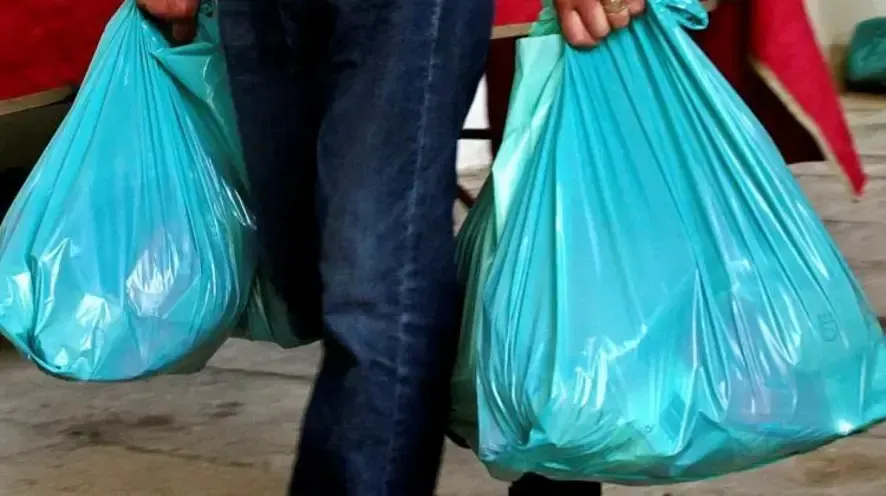
The Angolan government has launched a new plan aimed at reducing plastic waste in the country. The National Plan for the Progressive Elimination of Single-Use Plastics, or PLANEPP, came into effect recently, marking a significant shift in the country's approach to managing plastic waste. The plan's primary goal is to eliminate the use of ultra-light plastic bags, which are defined as those with a thickness of less than 50 microns.
One of the key challenges in implementing the plan is educating the public about what microns are and how they relate to plastic bag thickness. Many ordinary citizens, including vendors and homemakers, are unfamiliar with the term micron, which is a unit of measurement equivalent to one-thousandth of a millimeter. As a result, there is confusion about what types of plastic bags are allowed and which are banned.
The banned plastic bags are those that are extremely thin and prone to tearing, often used for carrying lightweight items such as fruits and vegetables. In contrast, thicker plastic bags that are more durable are permitted. However, distinguishing between the two can be difficult, especially for vendors who may not have access to precise measuring tools. This has led to concerns about how the ban will be enforced.
In addition to plastic bags, other single-use plastic items such as straws and stirrers have also been banned. This means that consumers will need to adapt to new ways of consuming their favorite beverages, such as using biodegradable straws or simply drinking from a cup without a straw. The use of spoons, which had largely fallen out of favor, is also expected to make a comeback.
The ban on single-use plastics is expected to have a significant impact on the informal economy, particularly on street vendors who rely on plastic bags to sell their goods. Vendors who sell oil, for example, will need to find alternative ways to package and sell their products. While the goal of reducing plastic waste is widely supported, the transition to more sustainable practices is likely to be challenging.
The Angolan government has stated that the goal of PLANEPP is to create a cleaner and less polluted country, with rivers and oceans free from plastic waste. While this objective is widely accepted, the practical challenges of implementing the plan are significant. It remains to be seen how effective the plan will be in reducing plastic waste and promoting sustainable practices.
Overall, the implementation of PLANEPP marks an important step towards reducing plastic waste in Angola. While there are challenges to be addressed, the plan has the potential to make a positive impact on the country's environment and promote more sustainable practices among consumers and businesses.
Key points
- The ban on ultra-light plastic bags is a key component of Angola's efforts to reduce plastic waste and promote sustainable practices.
- The plan is expected to have a significant impact on the informal economy, particularly on street vendors who rely on plastic bags to sell their goods.
- The goal of PLANEPP is to create a cleaner and less polluted country, with rivers and oceans free from plastic waste.