The African National Congress (ANC) has won Ward 12 in the recent elections, securing 439 votes, which represents 35.6% of the ward vote. However, the victory has done little to alleviate the frustrations of residents in Seven Fountains, who have been dealing with a lack of basic services, unemployment, and poor roads for decades. The community has been plagued by these issues for years, and residents are now looking to the new council to bring about change. According to reports from Grocott's Mail, the ANC's win was largely driven by support from Seven Fountains residents.
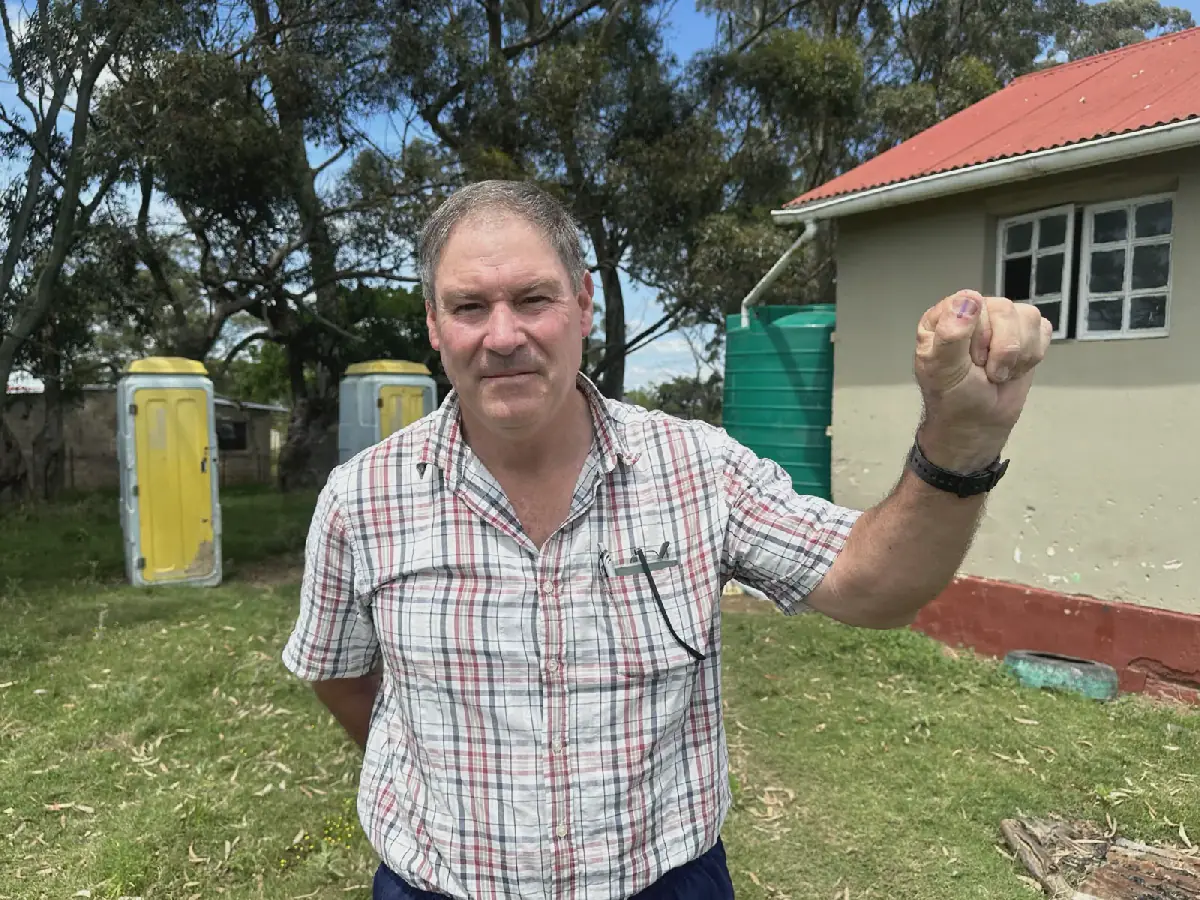
Residents in Seven Fountains have expressed deep-seated concerns about the lack of service delivery in their community. Gerard Peinke, a long-time resident of the area, has lived in Seven Fountains for about 40 years and says that the community has been dealing with the same problems for roughly three decades. He pointed to the poor state of the roads, which have been washed away, and the high levels of unemployment in the area. Peinke also expressed his dissatisfaction with the condition of the voting station, describing it as "absolutely disgusting" and saying that it showed a lack of respect from government towards voters.
The challenges faced by residents in Seven Fountains are compounded by the lack of access to education in the area. There is no high school in the community, forcing learners to travel to Makhanda for school. Poor roads add to the difficulties faced by people travelling between the community and town. Dagmar Kirk, a resident of the area, also raised concerns about service delivery, saying that she lived on a farm where the municipality provided no services. Her motivation for voting was to help the people of Seven Fountains.
The Rhodes University area, which contributes more than 3,000 students to the ward's population, had a low turnout at the polls. Some students who arrived hoping to vote discovered they were not registered. Thubelebona Tsele, a student from KwaMhlabuyalingana, said he had gone to the voting station hoping to have a say in how the municipality was run, only to find that he could not vote. He felt hurt and disappointed by the experience.
Despite the challenges faced by residents and students, the ANC's victory in Ward 12 was largely driven by support from Seven Fountains residents. The party received 77.2% of the vote at Seven Fountains Community Hall, while the EFF led with 38.4% at Steve Biko Hall. The results differed sharply between the ward's two voting districts, highlighting the complexities of the electoral landscape in the area.
The low turnout across Ward 12, which was 35.6%, raises questions about participation in a ward with a substantial university population. Although the IEC figures do not break down turnout by student status, it is clear that more needs to be done to engage with young people and encourage them to participate in the electoral process. Luthando Nxasana, a resident of Ward 12, did manage to vote and described the process as fast and smooth.
As the new council takes office, residents in Seven Fountains and students at Rhodes University will be watching closely to see if conditions in their communities change. For residents who say they have waited decades for improvements, and students who want a say in the municipality that serves them, the ANC's victory in Ward 12 is only the beginning. The party will be judged on its ability to deliver on its promises and address the pressing issues facing the community.
Key points
- Residents in Seven Fountains have been dealing with a lack of basic services, unemployment, and poor roads for decades.
- The ANC's victory in Ward 12 was largely driven by support from Seven Fountains residents.
- The low turnout across Ward 12 raises questions about participation in a ward with a substantial university population.