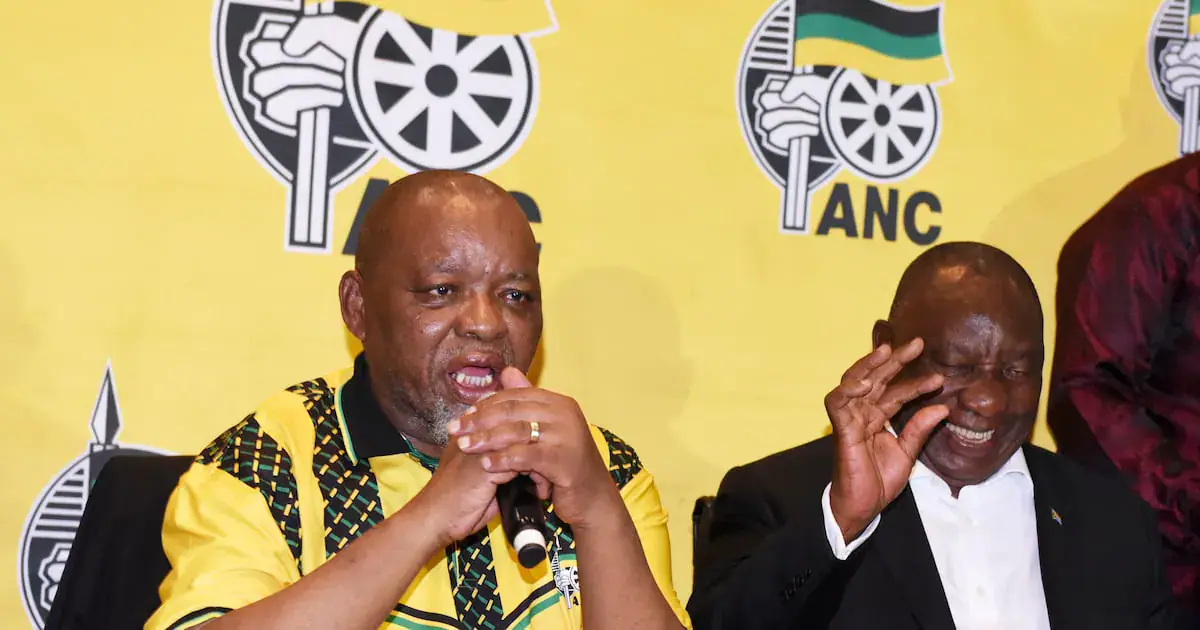
The African National Congress (ANC) has adopted a flexible approach to municipal coalition negotiations following its losses in the recent local government elections in South Africa. According to sources familiar with the discussions, the party's national executive committee (NEC) has expressed reservations about arrangements with smaller political parties and views the Democratic Alliance (DA) as a partner of last resort. This approach is expected to guide the ANC's negotiations across the country's 257 municipalities.
The ANC's NEC meeting, which ended at midnight on Thursday, backed what sources described as "tactical flexibility" in coalition negotiations. The party recognises that political circumstances differ between municipalities and that agreements will need to reflect local conditions. This means that the ANC will not adopt a one-size-fits-all approach to coalition negotiations, and will instead consider the balance of power and political considerations in each council.
The DA remains a possible coalition partner, but sources within the NEC said it is considered only as a last resort. The ANC is already in a national government of national unity (GNU) with the DA, but the party's approach to municipal arrangements is expected to be shaped by local conditions. The ANC is also expected to weigh the benefits of individual arrangements rather than pursue partnerships simply to secure governing majorities.
The party's reduced support has left it dependent on agreements with other parties to retain control of several municipalities, including key metropolitan councils. ANC secretary-general Fikile Mbalula is expected to brief provincial and regional structures on the party's position and the way forward as negotiations gather pace on Friday. He will also hold a media briefing on Saturday on the matter.
The NEC discussions did not produce calls for president Cyril Ramaphosa to resign, despite the party's poor performance at the polls. The ANC's preference for "tactical flexibility" comes as political parties have begun parallel negotiations to secure governing majorities in hung councils, with horse-trading already under way at the Birchwood Hotel in Boksburg.
Other parties, including the DA, have held separate engagements with various parties, including ActionSA, the IFP, and the Patriotic Alliance. The MK Party and IFP have also held marathon discussions, while the EFF, SACP, and MK Party convened separately to discuss their coalition strategies. These negotiations are expected to shape the municipal landscape in South Africa.
The ANC's approach to coalition negotiations will be crucial in determining its ability to retain control of key municipalities. With its reduced support, the party will need to navigate complex negotiations to secure governing majorities. The outcome of these negotiations will have significant implications for the country's municipal landscape and the ANC's future prospects.
Key points
- ANC adopts flexible approach to municipal coalition negotiations
- DA considered as last resort coalition partner
- ANC's reduced support necessitates careful coalition negotiations