The African National Congress (ANC) has blamed ActionSA for its declining electoral support in Gauteng townships. This development comes after the party failed to secure an outright majority in the province's three metros during the last local government elections. The ANC's decline has allowed the Democratic Alliance (DA) to gain ground, with ActionSA experiencing a significant surge in support in both suburban and township areas.
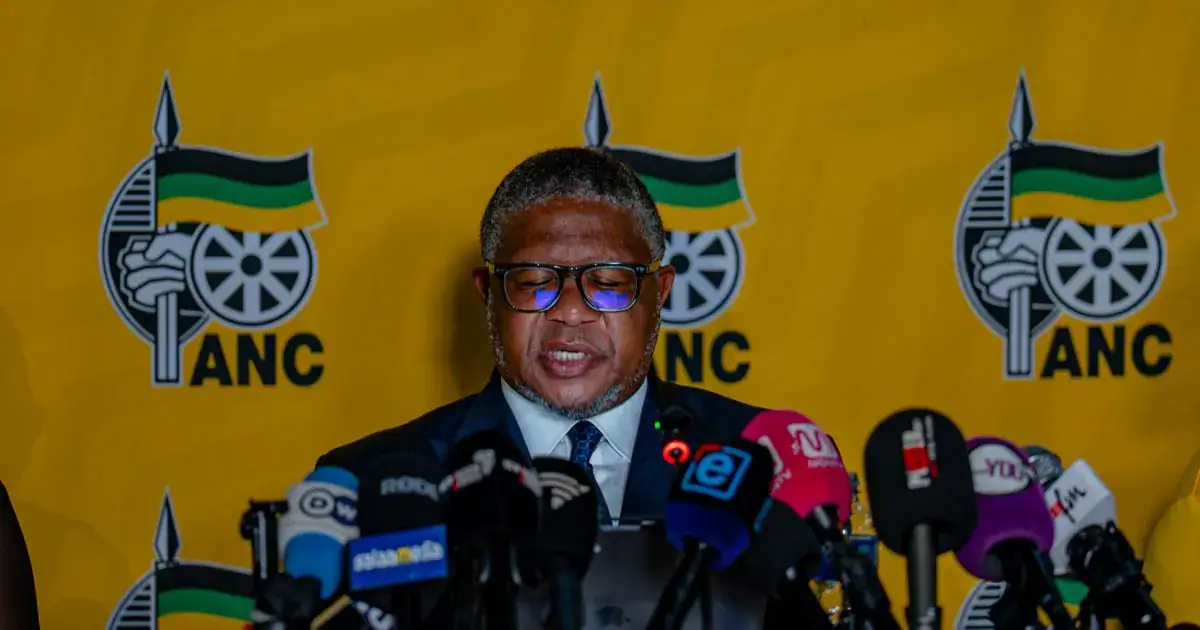
ANC secretary-general Fikile Mbalula pointed to the performance of outgoing Tshwane mayor Nasiphi Moya as a key factor in ActionSA's success. Mbalula defended his party, highlighting the various positions held by ANC members, including in the Tshwane Metro. However, he acknowledged that these efforts often go unnoticed. Mbalula also praised ActionSA's campaign trail, while criticizing his own party's management of the City of Johannesburg.
The ANC's decline has significant implications for the formation of coalition governments in Gauteng. The party, along with the Economic Freedom Fighters (EFF) and Inkatha Freedom Party (IFP), briefed the media on the possibility of hung municipalities. These municipalities will require coalition governments to secure representation and political positions. The ANC's reliance on coalitions marks a shift in the party's fortunes.
Mbalula condemned the state of the City of Johannesburg, citing the challenges faced by ANC volunteers during door-to-door campaigns. He highlighted the need for change, should the party be re-elected. The ANC's performance in the local government elections has sparked concerns about its ability to govern effectively.
The Electoral Commission of South Africa (IEC) is expected to announce the final results on Sunday at 6pm. The outcome will likely determine the course of coalition talks and the distribution of political positions. The ANC's decline has created opportunities for other parties, including ActionSA, to gain a foothold in Gauteng.
The local government elections have seen a significant increase in coalition governments, with several municipalities expected to be governed through alliances. The ANC's decline has contributed to this trend, with the party now relying on coalitions to secure representation. The EFF and DA have also been active in coalition talks.
The ANC will review its performance in the Western Cape and Gauteng, with a focus on improving its electoral prospects. The party's decline has sparked concerns about its long-term viability, with some analysts attributing its decline to a maturing democracy in South Africa. The ANC's response to its decline will be crucial in determining its future prospects.
Key points
- ANC blames ActionSA for declining electoral support in Gauteng townships
- ActionSA experiences significant surge in support in suburban and township areas
- ANC's decline contributes to trend of coalition governments in Gauteng municipalities
Reporting sources
- Trending ANC blames ActionSA for declining electoral support in Gauteng townships · Eyewitness News (EWN)