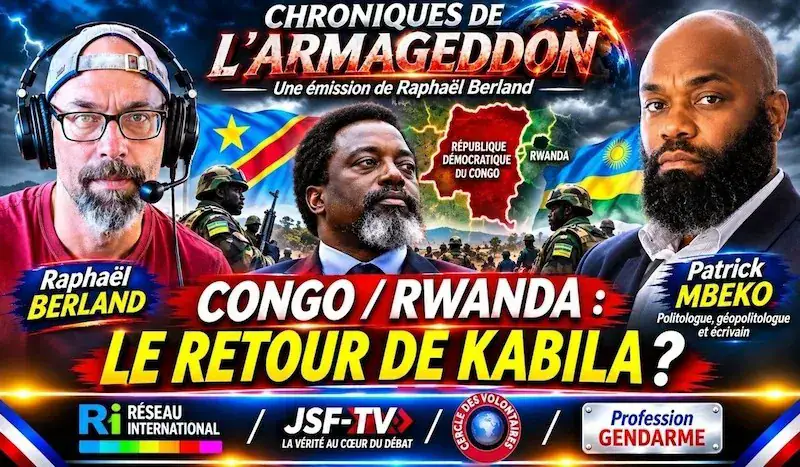
The Democratic Republic of Congo is facing increased tensions in the eastern region, with ongoing conflicts and rivalries between various groups and countries. The region is rich in minerals such as coltan, cobalt, and copper, which are essential for modern industries. This has led to a battle for economic influence and access to these resources, with various countries and multinational corporations involved. According to Patrick Mbeko, a political analyst and writer, the situation in the Congo is complex and multifaceted.
The conflict in the eastern Congo has led to significant human suffering, with many civilians displaced or killed. The international community has been criticized for not doing enough to address the situation. The role of neighboring countries, such as Rwanda, has also been questioned. Rwanda's President Paul Kagame has been accused of supporting certain groups in the Congo, which has contributed to the instability in the region. Mbeko notes that the situation is further complicated by the involvement of external powers, including the United States, China, and European countries.
One potential development that could significantly impact the political landscape in the Congo is the possible return of former President Joseph Kabila. Kabila, who ruled the country from 2001 to 2019, remains a major figure in Congolese politics. His potential return has sparked debate about whether it would be an alternative to the current government, a source of confrontation, or a symptom of a deeper institutional crisis. Various political forces in the Congo could either support or oppose Kabila's return, which would likely have significant implications for the country's future.
The Congo's rich natural resources have long been a source of conflict and instability in the region. The country's eastern region is particularly rich in minerals, which has led to a scramble for control and access. This has resulted in a complex web of interests and alliances, with various countries and groups vying for influence. According to Mbeko, understanding the historical context of the tensions between Kinshasa and Kigali is crucial to grasping the current situation.
The international community has been criticized for its response to the situation in the Congo. Despite numerous diplomatic efforts and peace agreements, the conflict persists, and the humanitarian situation remains dire. The role of external powers, including the United States, China, and European countries, has been questioned, with some arguing that their interests have contributed to the instability in the region. Mbeko argues that the international community must take a more effective approach to addressing the situation.
The potential return of Joseph Kabila has significant implications for the future of the Congo. If Kabila were to return to politics, it could lead to a shift in the balance of power in the country. This, in turn, could impact the country's relationships with neighboring countries and external powers. According to Mbeko, it is essential to consider the potential consequences of Kabila's return and to understand the complex web of interests and alliances at play.
Ultimately, the situation in the Congo highlights the need for the international community to take a more effective approach to addressing conflicts and promoting stability in the region. The humanitarian situation in the Congo remains dire, and it is essential that the international community works to address the root causes of the conflict. As Mbeko notes, the people of the Congo must be able to determine their own future, free from external interference and manipulation.
Key points
- Analysts are weighing in on the potential implications of former President Joseph Kabila's return to politics in the Democratic Republic of Congo.