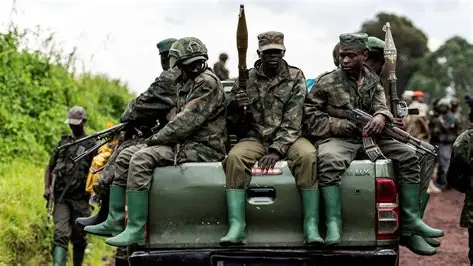
Amnesty International has documented 18 summary executions of artisanal minors in the Democratic Republic of Congo's North and South Kivu provinces, which it attributes to fighters from the March 23 Movement, or M23. The organization released a report detailing the abuses, including torture, arbitrary detention, forced labor, and trafficking of gold and coltan to Rwanda. The report, titled "We Did Not Come to Play: M23 Atrocities in Artisanal Mines and Trafficking of Gold and Coltan to Rwanda," details the group's activities in the mining areas of Rubaya and Lomera.
According to Amnesty, the 18 minors killed were subjected to various forms of violence, including being beaten to death, shot, or taken and later found dead. The organization's findings are based on 26 interviews with artisanal miners, sector experts, well owners, victims' relatives, and civil society members, as well as analysis of photos and videos. Amnesty also reports that 16 minors or residents near the sites described cases of torture or ill-treatment, including being beaten until they fainted for requesting a break, refusing to hand over minerals, or committing minor infractions.
Amnesty International's report highlights the M23's use of detention facilities, including three containers and underground cells called "ndake," to hold people in Rubaya. Over 20 minors were reportedly imprisoned in one of these installations and subjected to repeated beatings. Additionally, seven workers interviewed said they were detained and threatened with forced recruitment into M23 training centers unless they paid a ransom for their release.
The report also establishes a link between the violence and the exploitation of mining resources. Amnesty International alleges that M23 fighters forced minors to extract minerals, sometimes for over a week underground, particularly in coltan mines near Rubaya and in the gold-rich area of Lomera. The organization claims to have collected testimonies and analyzed evidence documenting the clandestine transport of gold and coltan from M23-controlled areas to Rwanda.
Amnesty International considers the M23's pillage of gold and coltan, as well as the trafficking of these minerals to Rwanda, to potentially constitute a war crime of pillage. The organization also believes that several documented violations could be classified as war crimes under international law. Furthermore, Amnesty notes the presence of Rwandan nationals on the Rubaya and Lomera sites, some of whom are active as miners or well managers, while others, including security agents, collaborate with the M23 and have participated in acts of violence against workers.
The organization reports that neither the M23 nor Rwandan authorities responded to requests for comment regarding the accusations in the report. Amnesty's findings are based on a thorough investigation, including interviews and analysis of evidence, and highlight the need for accountability and action to protect artisanal miners and prevent further abuses.
The situation in the DRC's mining regions remains a pressing concern, with artisanal miners facing significant risks, including violence, exploitation, and human rights abuses. Amnesty International's report underscores the importance of addressing these issues and ensuring that those responsible for abuses are held accountable.
Key points
- Amnesty International documents 18 summary executions of artisanal minors by M23 fighters in DRC's North and South Kivu provinces.
- The organization reports widespread human rights abuses, including torture, arbitrary detention, and forced labor, committed by M23 fighters against artisanal miners.
- Amnesty International alleges that the M23's activities are linked to the exploitation of mining resources, including the trafficking of gold and coltan to Rwanda.