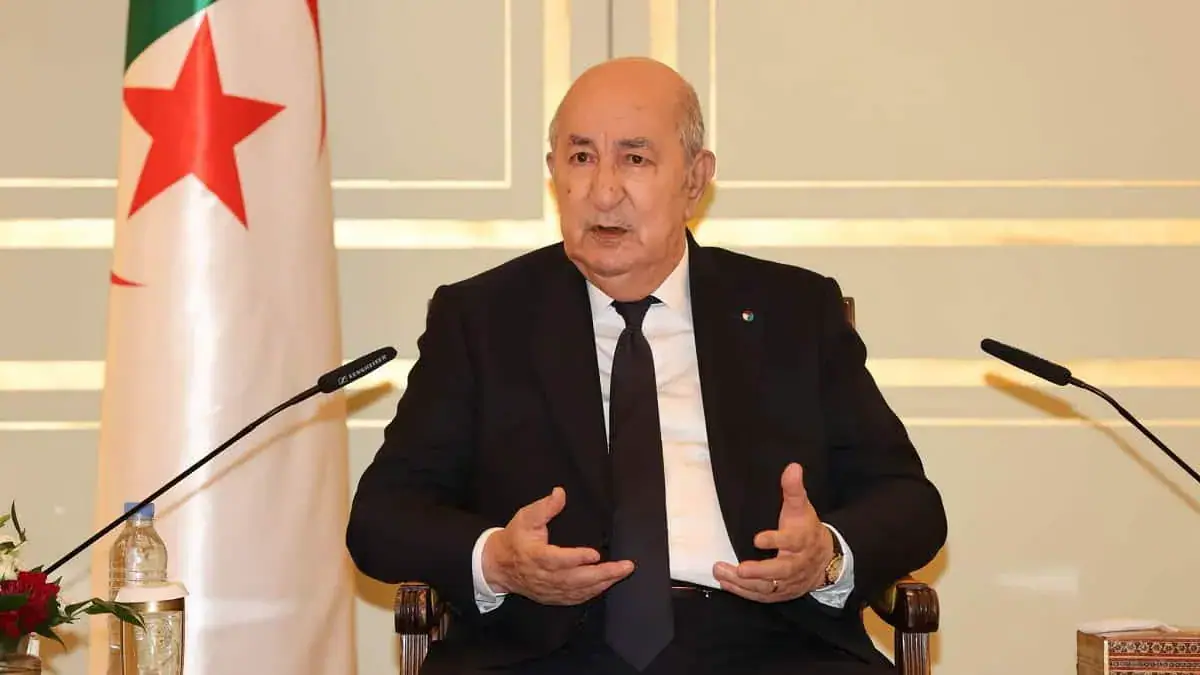
On Sunday, President Abdelmadjid Tebboune chaired a meeting of the Council of Ministers, where he outlined a comprehensive plan to reform Algeria's agricultural sector. The initiative aims to modernize and optimize the country's farming industry, which has long been a significant contributor to the nation's economy. With a focus on sustainability and self-sufficiency, the reform package includes a range of measures designed to increase crop yields, reduce waste, and promote more efficient use of resources.
One of the key components of the reform is the prohibition on leaving arable land uncultivated, or in jachère. This measure is intended to ensure that all available land is utilized to its full potential, reducing the country's reliance on imports and increasing domestic food production. Additionally, the government has vowed to crack down on farmers who hoard agricultural products, with the aim of stabilizing markets and preventing shortages.
The Algerian government has also announced plans to ban the cultivation of maize ensilage, a move that is expected to have significant implications for the country's livestock industry. Furthermore, the reform package includes measures to improve irrigation systems, enhance agricultural research and development, and provide greater support to small-scale farmers. These initiatives are designed to help Algeria become more self-sufficient in food production and reduce its reliance on imports.
According to President Tebboune, the agricultural reform is a top priority for his administration, and he has emphasized the need for swift and decisive action to implement the changes. The government has set ambitious targets for the sector, aiming to increase agricultural production and exports while reducing imports. To achieve these goals, the government will need to work closely with farmers, agricultural cooperatives, and other stakeholders to ensure a smooth transition to the new system.
The announcement of the agricultural reform has been welcomed by many in Algeria, who see it as a necessary step to modernize the country's farming industry and address long-standing challenges in the sector. However, some critics have expressed concerns about the potential impact of the reforms on small-scale farmers and rural communities, who may struggle to adapt to the new measures. The government has pledged to provide support and resources to help farmers make the transition.
The agricultural sector is a significant contributor to Algeria's economy, accounting for around 10% of GDP and employing millions of people. However, the sector has long been plagued by inefficiencies, corruption, and a lack of investment, which have hindered its potential for growth and development. The government's reform package is seen as a major effort to address these challenges and unlock the sector's full potential.
The implementation of the agricultural reform will be closely watched by farmers, policymakers, and international observers, who are eager to see whether the measures will achieve their intended goals. With the right support and resources, Algeria's agricultural sector could become a major driver of economic growth and development, helping to reduce poverty and improve living standards for millions of people.
Key points
- The Algerian government has introduced 10 key measures to reform the agricultural sector, including the prohibition on leaving arable land uncultivated and the ban on cultivating maize ensilage.
Reporting sources
- ALERTE. Tebboune ordonne une vaste réforme de l’agriculture · tsa-algerie.com