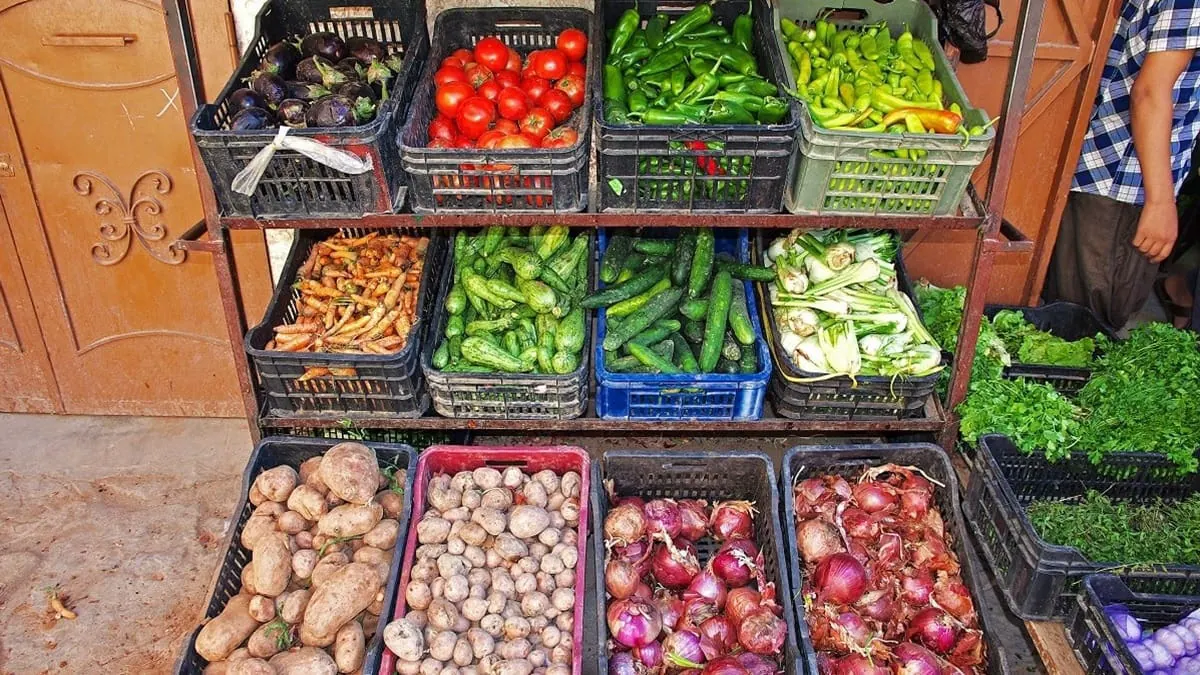
Algerian consumers are facing unprecedented price hikes for essential fruits and vegetables. Prices for items like potatoes, carrots, and tomatoes have skyrocketed, with potatoes reaching 130 Algerian Dinar (DA) per kilogram and bananas selling for between 1000 and 1300 DA per kilogram. The sudden increase has left many citizens struggling to afford basic necessities. At markets in Algiers, such as Ferhat Boussaad and Birkhadem, scenes of people browsing stalls without making purchases are common.
The price surge affects not only low-income households but also the middle class, who are finding it difficult to make ends meet. Many citizens are being forced to buy in small quantities, purchasing single items like one courgette or two carrots. The situation has sparked outrage, with one citizen expressing frustration, saying, "Even with a salary of 140,000 DA per month, I can no longer provide properly for my family's needs." The issue has also reignited debates about purchasing power and price regulation mechanisms.
Commercial activity is also being impacted, with some vendors choosing not to display prices for their goods. Despite laws requiring price displays, many traders are not complying. The hikes have also affected white meat, with chicken prices increasing from 350 DA to 600 DA per kilogram overnight. The escalope of chicken has seen an even more significant jump, reaching 1200 DA per kilogram.
In response to the crisis, President Abdelmadjid Tebboune addressed the issue in his periodic interview with national media. He stated that most farmers are not responsible for the price hikes, adding that those who are responsible must be held accountable. Tebboune emphasized the need to preserve citizens' purchasing power. The government has taken initial measures, including capping potato prices at 80-90 DA per kilogram.
Tebboune's comments have been seen as an attempt to address the concerns of Algerian citizens. The President's statement appears to shift the focus away from farmers and onto other parties involved in the supply chain. Further details of the interview are expected to be released later.
The current situation has raised concerns about food affordability and availability in Algeria. Many Algerians are finding it difficult to cope with the rising costs of essential goods. With the start of the new school year, the situation is expected to become even more challenging for families.
The government's measures aim to alleviate some of the pressure on citizens. However, it remains to be seen whether these steps will be sufficient to address the root causes of the price hikes. Algerians will be watching closely to see how the situation unfolds and whether further action will be taken to support those affected.
Key points
- Algerian President Abdelmadjid Tebboune says most farmers are not responsible for the recent surge in fruit and vegetable prices.
- The government has capped potato prices at 80-90 DA per kilogram in an effort to control the rising costs.
- The price hikes have affected not only low-income households but also the middle class, who are struggling to make ends meet.