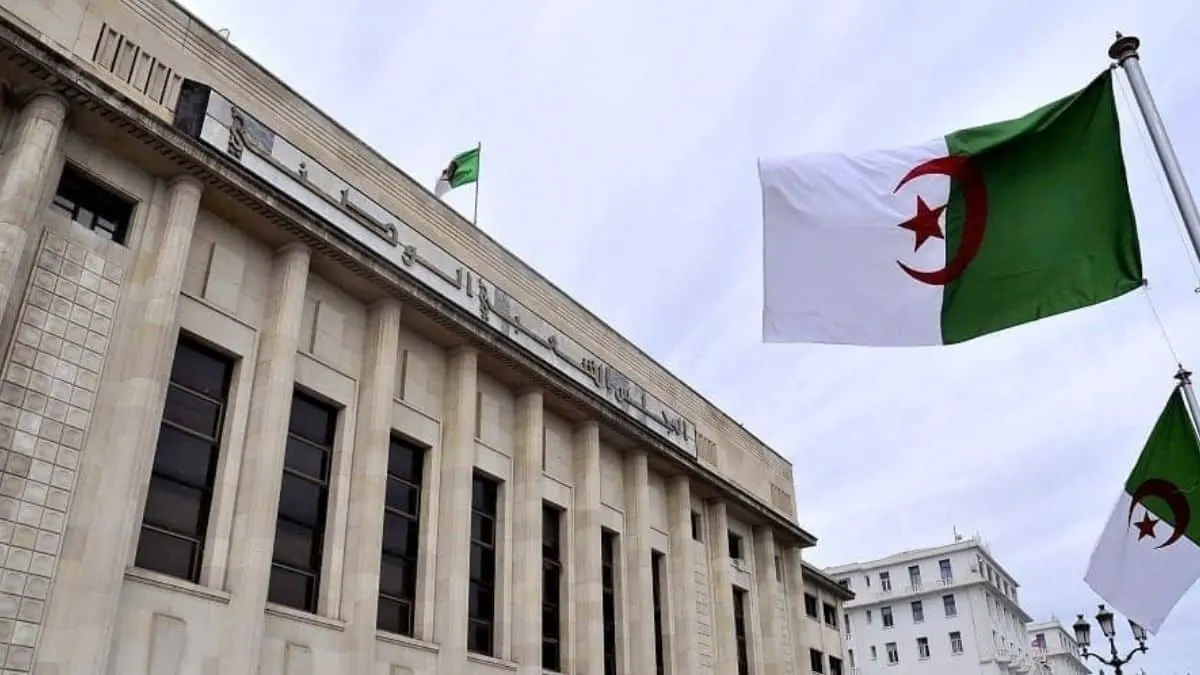
The Algerian government has prepared a bill to reinstate the death penalty for certain crimes, which was transmitted to the National People's Assembly (APN) for adoption. The bill, which modifies and complements the 1966 penal code, defines three crimes that would carry the death penalty with execution. According to the bill, the proposed death penalty aims to deter serious crimes and protect national security, order, and the environment.
The three crimes that would be punishable by death are: intentionally setting fire to forests, woods, or fields, as well as public or private property, with the intention of harming the state or its interests; intentionally setting fire to property, with incitement or for the benefit of a foreign state or entity, or as part of a criminal organization; and kidnapping, torturing, sexually assaulting, or mutilating a child. These crimes have seen a recent surge in Algeria, prompting the government to take a tougher stance.
The proposed bill comes as part of a broader effort to strengthen Algeria's legislative framework and protect its citizens, particularly children. The government aims to ensure general and specific deterrence, as well as reinforce the protection of children. By reinstating the death penalty for these serious crimes, the government hopes to send a strong message and prevent future occurrences.
The bill's transmission to the APN follows a series of recent incidents that have raised concerns about national security and public order. Algerian authorities have been grappling with issues such as forest fires, kidnappings, and other serious crimes. The government's move to reinstate the death penalty is seen as a response to these challenges and an effort to maintain stability.
The draft law has sparked debate and discussion among Algerian lawmakers and citizens. While some argue that the death penalty is necessary to deter serious crimes, others have expressed concerns about its implications and effectiveness. The APN will review and discuss the bill before making a decision.
Algeria had previously abolished the death penalty, but the government has been considering its reinstatement in recent years. The proposed bill is part of a broader effort to update and strengthen Algeria's penal code and ensure that it aligns with the country's current needs and challenges.
The Algerian government has been working to address various security and social issues, including the recent surge in forest fires and kidnappings. The proposed reinstatement of the death penalty is part of a multi-faceted approach to tackle these challenges and maintain national stability. The bill's adoption will depend on the APN's review and approval.
Key points
- The Algerian government has transmitted a bill to the National People's Assembly to reinstate the death penalty for certain crimes, including arson, terrorism, and child kidnapping and abuse.
- The proposed bill aims to deter serious crimes and protect national security, order, and the environment.
- The Algerian government has been working to address various security and social issues, including a recent surge in forest fires and kidnappings.