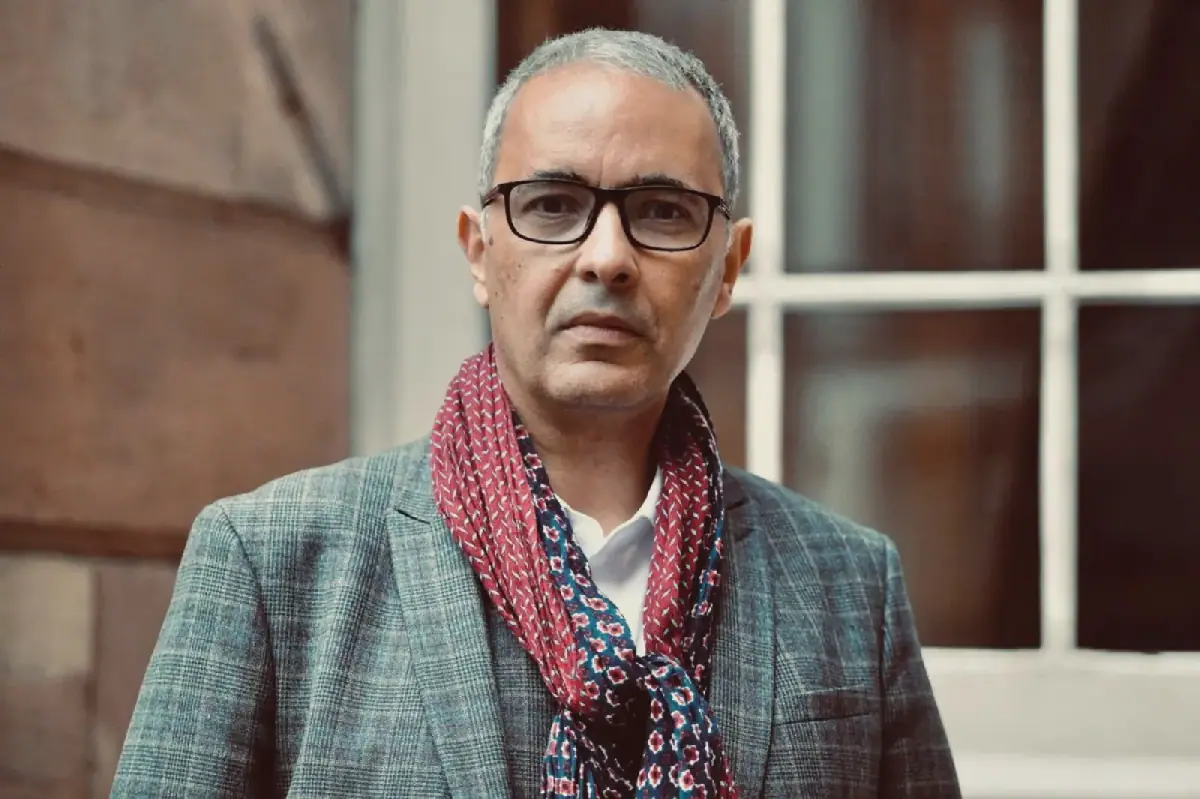
The Oran Correctional Court has delivered its verdict in the highly publicized case of Algerian-French writer Kamel Daoud and his wife Aïcha Dahdouh, sentencing them to five years in prison and a fine of 300,000 dinars. The couple was found guilty of violating professional secrecy, stealing medical documents, and invading privacy. The case was filed by Saâda Arbane, who claimed that Daoud's novel "Houris" was based on her personal tragedy as a survivor of terrorist violence in the 1990s without her consent.
The charges against the couple stem from their alleged involvement in the unauthorized disclosure of Arbane's medical records. The prosecution had initially sought a six-year prison sentence for the couple. The court's decision was welcomed by Arbane's lawyer, Me Aïcha Drar, who stated that the verdict acknowledged the harm suffered by her client. The hospital where Arbane received medical treatment also joined the case as a civil party and provided testimony to the investigating magistrate.
The case has sparked a heated controversy, with Dahdouh expressing her desire to appear before the judges to explain her side of the story. However, she claimed that family constraints and an ongoing divorce procedure prevented her from returning to Algeria since October 2024. In recent interviews with MédiaPart and AFP, Dahdouh denied any wrongdoing and emphasized her commitment to Algerian justice.
The novel "Houris" at the center of the controversy won the prestigious Goncourt Prize, but its publication sparked a literary storm. Arbane alleges that the book is based on her personal experience without her consent, while Daoud and Dahdouh maintain that they did not intend to harm her. The psychologist involved in the case has rejected accusations of violating medical secrecy.
The verdict has significant implications for the couple, who were the subject of an international arrest warrant. Their lawyer has not publicly commented on the decision. The case highlights the complexities of balancing artistic freedom with the right to privacy and the protection of personal data.
The court's decision also underscores the importance of respecting medical confidentiality and the potential consequences of violating it. The case has sparked a national debate about the limits of artistic expression and the protection of individuals' personal stories.
The couple's sentence and fine are a significant development in a case that has garnered widespread attention in Algeria and beyond. As the verdict is being appealed, many are watching to see how the case will unfold and what implications it will have for artistic freedom and personal privacy in Algeria.
Key points
- Kamel Daoud and Aïcha Dahdouh were sentenced to 5 years in prison and fined 300,000 dinars for violating medical secrecy and invading privacy.
- The case centers on allegations that Daoud's novel "Houris" was based on the personal tragedy of Saâda Arbane without her consent.
- The verdict has sparked a national debate about artistic freedom, personal privacy, and the protection of personal data in Algeria.