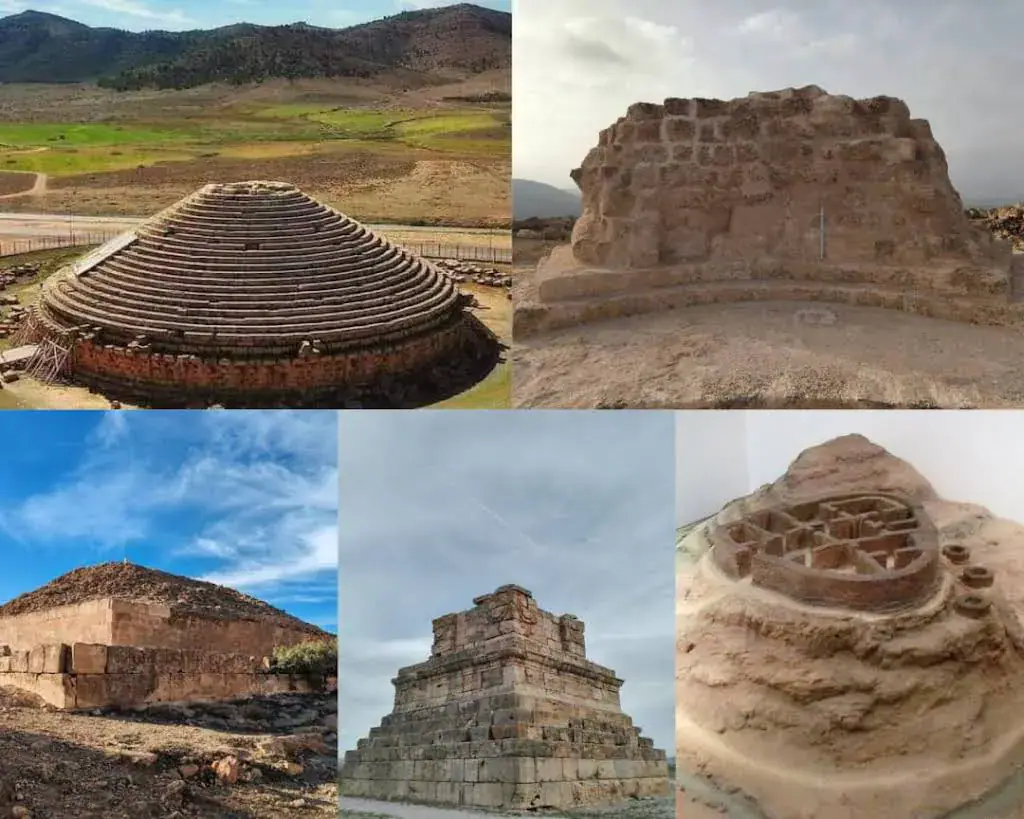
Algeria's bid to have its ancient royal tombs recognized as a UNESCO World Heritage Site has reached a significant milestone. The country's Ministry of Culture and Arts announced that the file had successfully cleared a major evaluation stage. According to the ministry, the UNESCO World Heritage Centre confirmed that the Algerian file met all the technical requirements outlined in the 1972 World Heritage Convention guidelines.
The nomination includes five exceptional archaeological sites, each featuring royal tombs dating back to the 4th century BC to the 6th century AD. These sites are the Royal Tomb of Imdghassen in Batna Province, the Royal Tomb of Massinissa in Khroub, Constantine Province, the Royal Tomb of Siga in Ain Temouchent Province, the funerary monument of Abales-Tinehinnan in Ahaggar, Tamanrasset Province, and the wall tombs in Frenda, Tiaret Province.
This development is particularly significant, given that only 35 out of 60 submitted files were accepted and forwarded to specialized advisory bodies for further evaluation. Algeria's successful nomination is seen as an encouraging step towards international recognition of the historical and cultural significance of these sites. The country's rich history and architectural heritage are showcased through these ancient royal tombs.
The Algerian Ministry of Culture and Arts views this progress as a crucial step in valorizing and protecting the country's cultural heritage. The recognition of these sites as part of the world's cultural heritage would not only highlight Algeria's historical depth but also underscore its contribution to human civilization. This achievement is a testament to the country's efforts to preserve its cultural legacy.
The five nominated sites are exceptional examples of ancient funerary architecture in Algeria. The Royal Tomb of Imdghassen, for instance, is a well-preserved example of a monumental tomb built for a Numidian king. Similarly, the Royal Tomb of Massinissa is notable for its unique blend of Mediterranean and African architectural styles.
Algeria's successful nomination is also seen as a reflection of the country's commitment to safeguarding its cultural heritage. The country's authorities have taken significant steps to protect and conserve these sites, ensuring their integrity for future generations. This recognition would serve as a validation of these efforts and encourage further preservation initiatives.
The next stage of the evaluation process will involve a thorough assessment by specialized advisory bodies. If successful, Algeria's ancient royal tombs will be inscribed on the UNESCO World Heritage Site list, joining a prestigious group of cultural and natural sites recognized for their outstanding universal value. This recognition would have a positive impact on Algeria's cultural and tourism sectors.
Key points
- Algeria's ancient royal tombs have cleared a major evaluation stage for UNESCO World Heritage Site recognition.
- The nomination includes five exceptional archaeological sites featuring royal tombs dating back to the 4th century BC to the 6th century AD.
- Successful recognition would highlight Algeria's historical depth and contribution to human civilization.