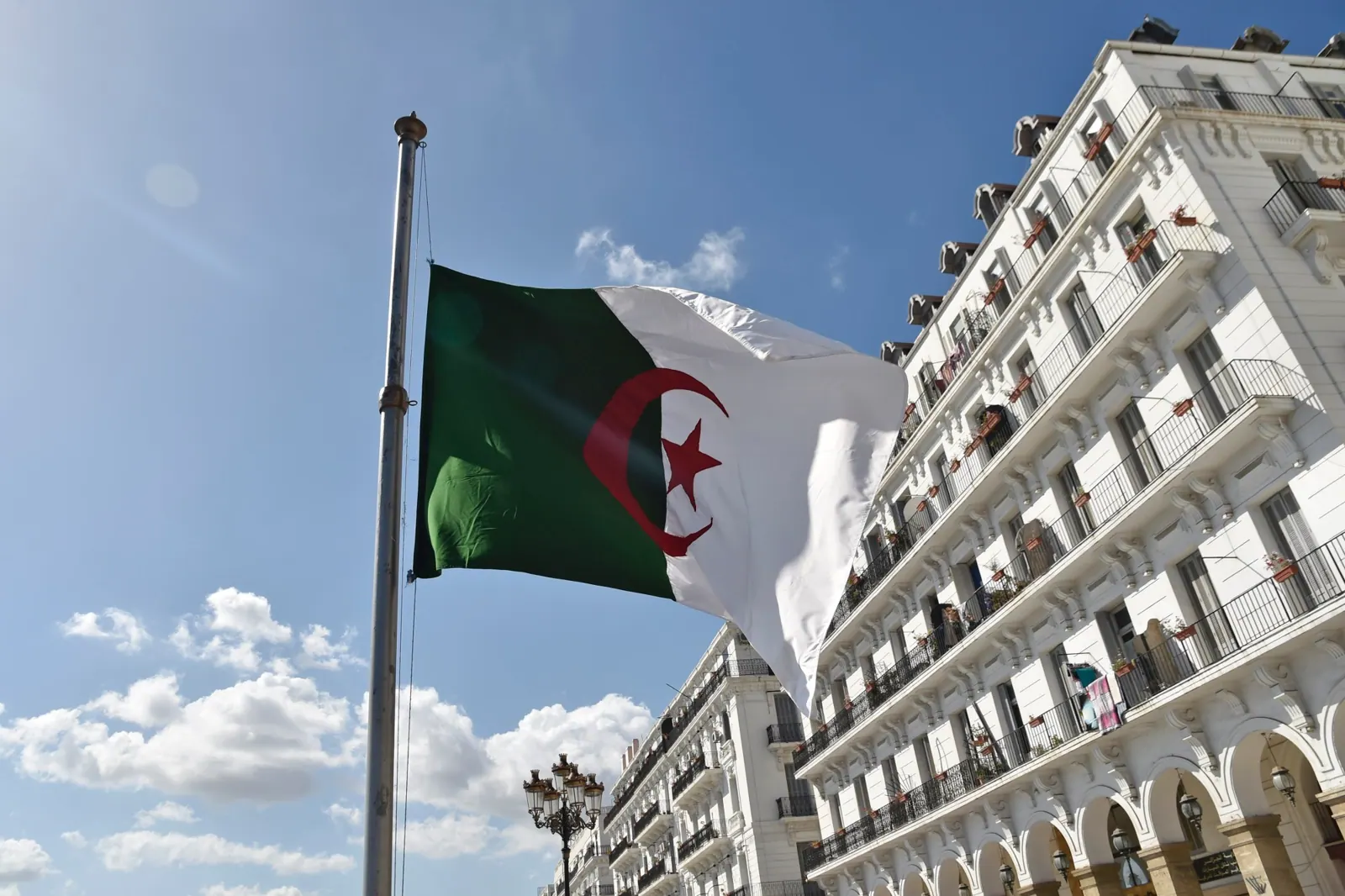
In today's complex world, nations face multiple pressures simultaneously, transforming each crisis into a multiplier effect. This situation necessitates a strategic shift, particularly for Algeria, which finds itself at a crossroads. The country's strategy should focus on building internal strength rather than solely relying on external solutions. By doing so, Algeria can turn its challenges into opportunities for growth and development.
A key aspect of this strategy involves rethinking the traditional concept of borders and security. In the 21st century, threats are not confined to military invasions; they also encompass economic pressures, cyberattacks, and diplomatic tensions. Consequently, Algeria must adopt a holistic approach, integrating its security, economic, and technological sectors. This integrated strategy will enable the country to build resilience and mitigate potential threats.
One of the primary objectives for Algeria is to reduce its dependence on a single revenue source, specifically hydrocarbons. While hydrocarbons will continue to play a significant role in the country's economy, diversifying revenue streams and promoting non-hydrocarbon exports can help build a more robust and resilient economy. The World Bank has noted that Algeria's non-hydrocarbon exports have increased several times since 2017, but they still represent a limited share of the country's GDP and exports.
To achieve this goal, Algeria can adopt a new economic doctrine centered on using hydrocarbon revenues to fund future independence. This approach involves leveraging energy revenues to develop competitive industries, enhance food security, and invest in cutting-edge technologies such as artificial intelligence and renewable energy. By doing so, Algeria can create a diversified economy that is less vulnerable to external shocks.
Another crucial aspect of Algeria's strategy involves identifying and mitigating potential risks. The country should develop a national strategic dependency map to pinpoint areas where it relies heavily on external factors, such as technology imports, food supplies, or critical industrial components. By recognizing these vulnerabilities, Algeria can develop alternative solutions, including domestic production, diversified sourcing, and technological innovation.
The digital realm presents another significant challenge for Algeria. In today's data-driven world, control over data translates into influence and power. Therefore, Algeria must prioritize its digital sovereignty by developing a robust data protection framework and investing in data analysis and artificial intelligence capabilities. This will enable the country to safeguard its strategic interests and make informed decisions.
To ensure its long-term resilience, Algeria should establish a national institution focused on testing its resilience through simulated crises. This proactive approach will help identify potential vulnerabilities and enable the country to develop effective countermeasures. By doing so, Algeria can minimize the risks associated with external pressures and build a more robust and adaptable state.
Key points
- Algeria aims to transform its economy by leveraging hydrocarbon revenues to fund diversification and reduce dependence on a single revenue source.
- The country seeks to build a robust digital sovereignty framework to safeguard its strategic interests and make informed decisions.
- Algeria's diplomatic efforts will focus on building a diverse network of relationships and interconnected interests to promote mutual benefits and cooperation.