Algerian President Abdel Majid Tebboune has emphasized the need to address rising prices and speculation in the country. In a recent press conference, he stated that protecting citizens' purchasing power and combating speculation are key priorities. Tebboune attributed the price hikes to "greed" among those who take advantage of opportunities, referring to them as "parasites." He also noted that the recent fires in some provinces had affected the availability of certain goods.
The President's comments have sparked a national conversation about the causes of price hikes and the role of various stakeholders in the supply chain. Tebboune suggested that initial investigations have shown that most farmers are not responsible for the price increases. He emphasized that those who are responsible for the hikes will have to bear the consequences, describing speculation as "a crime against the people." This has raised questions about where the fault lies between producers and consumers.
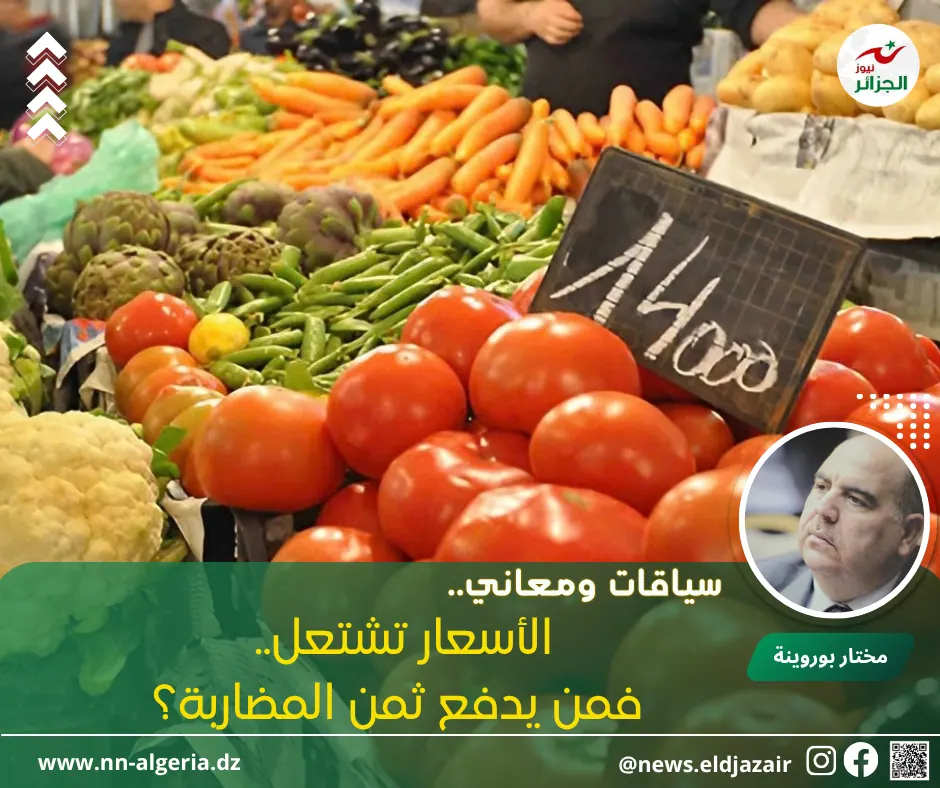
The supply chain for essential goods, such as potatoes, tomatoes, onions, and garlic, has been identified as a key area of concern. The price of these goods can fluctuate due to factors such as climate, production costs, transportation, and storage. However, Tebboune's comments have highlighted the need to examine the entire supply chain, from producers to consumers, to understand where prices are being inflated.
The difference between wholesale and retail prices has been cited as a particular concern. While some markup is expected due to marketing costs, the extent of the difference in some cases is difficult to justify. The President's comments have called for greater transparency and regulation in the supply chain to prevent speculation and ensure that prices are fair.
To address these issues, the government has been urged to implement effective monitoring and regulation of the supply chain. This includes tracking prices at different stages, from production to retail, to identify areas where prices are being inflated. The goal is to create a more transparent market where the government can identify and address speculation and price hikes.
The effectiveness of any measures will be judged by their impact on citizens' purchasing power. Tebboune has emphasized that protecting purchasing power is a key priority, and that this will require a multifaceted approach that includes both economic and social measures. The government will need to balance the need to regulate markets with the need to allow for the free flow of goods and services.
Ultimately, the success of the government's efforts will be measured by the impact on citizens' daily lives. Algerians will be watching to see whether the government's measures can bring prices under control and prevent speculation. The President's commitment to tackling these issues has been welcomed, but citizens will be looking for tangible results in the form of lower prices and greater transparency in the market.
Key points
- The Algerian government has made tackling price hikes and speculation a top priority, with a focus on protecting citizens' purchasing power.
- President Abdel Majid Tebboune has attributed price hikes to "greed" among those who take advantage of opportunities, and has vowed to hold those responsible accountable.
- The government will need to implement effective monitoring and regulation of the supply chain to prevent speculation and ensure that prices are fair.