The United Nations Secretary-General, Antonio Guterres, has released a report on the Western Sahara issue, which has been a longstanding dispute. According to Algeria's former ambassador, Amar Belani, the report does not impose a solution and does not prejudge the outcome of negotiations. The report outlines mechanisms and options being examined to reach a political solution. The resolution 2797 of the Security Council established the framework for the new political process, but it does not predetermine the outcome.
The report was discussed during a meeting where Morocco presented a project for autonomy developed from its 2007 initiative. The document was transmitted to participants but not made public, and it is presented as a basis for negotiation, not a definitive agreement. Morocco expressed its willingness to continue discussions with the Polisario Front, which it wants to classify as a terrorist organization. The Polisario Front presented its own proposals, including self-determination and guarantees that could accompany a settlement.
The report does not suggest that an agreement has already been reached around the Moroccan project. Discussions may focus on a transition period, with a draft framework agreement for a possible transition, and the possibility of creating a Transitional Council. This council would address issues related to resource sharing, amnesty, and reconciliation, disarmament, demobilization, and reintegration, security arrangements, and electoral mechanisms.
The report maintains the principle of self-determination and invites parties to explore the possibility of "genuine autonomy" that could be a viable solution. Such a solution should meet high international standards and have strong international guarantees. It should be subject to significant consultation with the Sahrawi population, with a free and voluntary choice to accept or reject the proposal. The report does not redefine the principle of self-determination but explores concrete modalities that could allow its exercise within the framework of a negotiated settlement.
The most sensitive issue remains the articulation between autonomy and self-determination. The report recalls that the diplomatic process takes place in a fragile security context, with low-intensity hostilities between Morocco and the Polisario Front continuing since the Moroccan army broke the 1991 ceasefire in November 2020. Antonio Guterres recommends extending the mandate of MINURSO until October 31, 2027.
The report does not provide for the suppression or definitive maintenance of MINURSO's current mandate but establishes a link between negotiation progress and the future evolution of the mission. The key question is whether the discussed elements can be transformed into a political compromise freely accepted by the Polisario Front. If not, no one will impose a solution that does not satisfy its inalienable and imprescriptible right to self-determination.
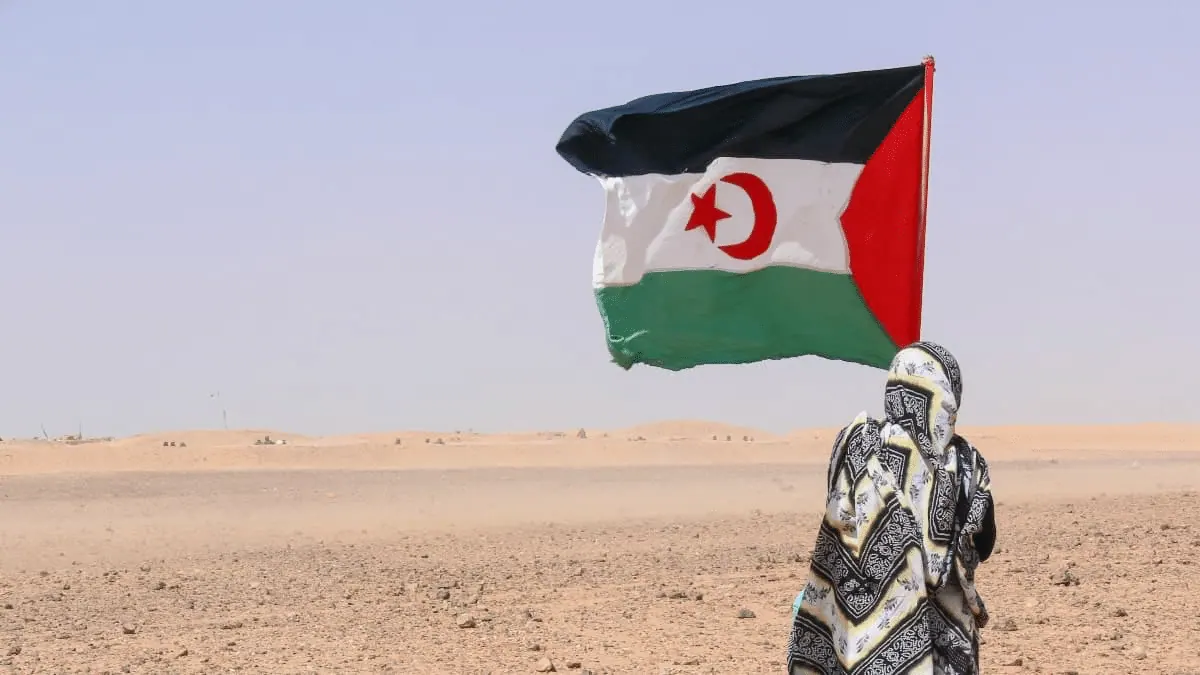
The objective remains a just, durable, and acceptable political solution for both parties, which cannot be imposed or negotiated to the detriment of the right to self-determination. The Sahrawi cause remains based on international law, as it is part of an unfinished decolonization process.
Key points
- The UN report on Western Sahara maintains the principle of self-determination and invites parties to explore "genuine autonomy" as a possible solution.
- The report does not impose a solution and does not prejudge the outcome of negotiations.
- The key question is whether the discussed elements can be transformed into a political compromise freely accepted by the Polisario Front.