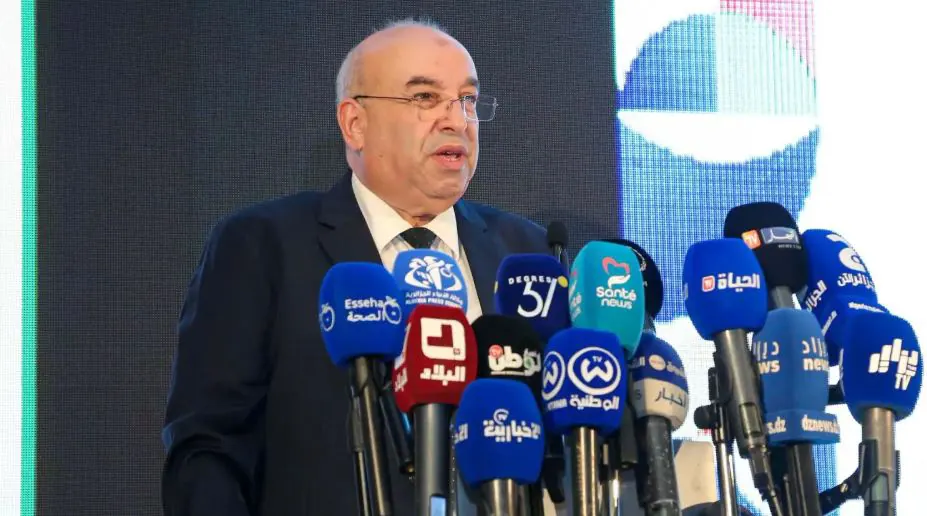
Algeria is set to establish a strategic pharmaceutical center to supply African countries with medicines and essential health products. The initiative was announced by Pharmaceutical Industry Minister Ouassim Kouidri at the second International Conference of the National Council for Pharmaceutical Ethics in Algiers. The conference, themed “National Sovereignty and African Openness for Sustainable Health,” brought together experts to discuss the future of the pharmaceutical industry in Africa. Kouidri emphasized Algeria's commitment to strengthening its pharmaceutical sector and expanding its reach across the continent.
Algeria's pharmaceutical industry has experienced significant growth in recent years. The sector now comprises around 230 companies, with pharmaceutical production reaching $4.9 billion in 2025. Domestic production covers 82% of the national market's needs by value, with 95% of output manufactured through fully integrated production processes. This growth has positioned Algeria as a key player in the African pharmaceutical market. The country's industry has made notable strides in meeting its domestic needs and is poised for further expansion.
The African Ministerial Conference on Local Production of Medicines and Health Technologies in Africa, held in Algiers in November 2025, played a crucial role in shaping Algeria's pharmaceutical strategy. The conference led to the adoption of the “Algiers Declaration” and the signing of several contracts for the export of Algerian pharmaceutical products to African countries, including Mauritania, Mali, and Senegal. These agreements aim to facilitate the mutual registration of medicines and ensure their availability to patients across the continent.
Algeria's National Agency for Pharmaceutical Products has signed cooperation agreements with its counterparts in various African countries. These agreements will facilitate the registration of medicines and help ensure their availability to patients. The country is also working to strengthen cooperation with international institutions and organizations to develop a project for an African strategic pharmaceutical platform based in Algeria. This platform will support the supply of African countries with medicines and essential health products.
The proposed African strategic pharmaceutical platform will bring together and integrate Algeria's national capabilities in pharmaceutical production, regulation, logistics, and technology transfer. The initiative aims to reinforce South-South cooperation, strengthen health security across the continent, and contribute to the development of a more integrated African pharmaceutical system. This project is expected to have a significant impact on the availability and quality of medicines in Africa.
Algeria is committed to studying and supporting African initiatives, particularly those led by the African Medicines Agency (AMA) and the Africa Centres for Disease Control and Prevention (Africa CDC). These initiatives offer opportunities to deepen continental cooperation in the pharmaceutical sector and develop joint mechanisms to support local production while ensuring the availability, quality, efficacy, and safety of medicines and medical supplies across Africa.
The development of the pharmaceutical hub is expected to have far-reaching benefits for Algeria and the wider African continent. By strengthening its pharmaceutical sector and expanding its reach, Algeria can contribute to improved health outcomes and increased access to essential medicines. The project is a significant step towards achieving a more integrated and self-sufficient African pharmaceutical system.
Key points
- Algeria plans to establish a strategic pharmaceutical center to supply African countries with medicines and essential health products.
- The country's pharmaceutical industry has experienced significant growth, with 230 companies and $4.9 billion in production in 2025.
- The proposed African strategic pharmaceutical platform will integrate Algeria's national capabilities in pharmaceutical production, regulation, logistics, and technology transfer.