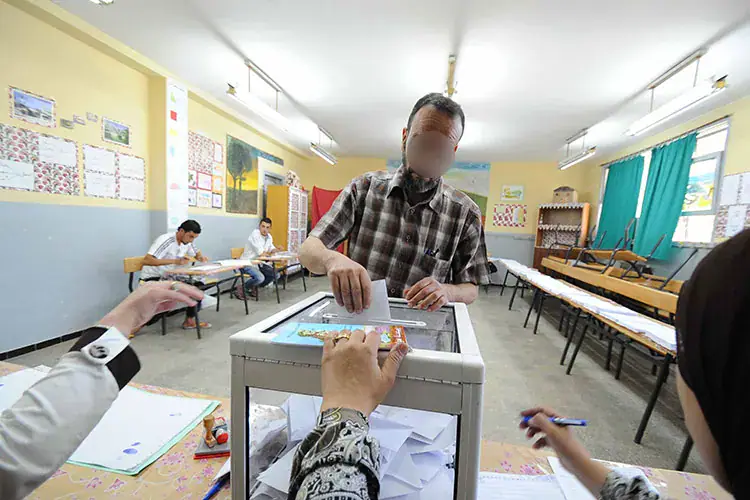
Algerians are set to vote on Saturday to elect members of the People's Municipal and Provincial Councils for the next term. A total of 5995 electoral lists are competing for 29,430 seats, with 5568 lists for municipal councils and 427 lists for provincial councils. Over 162,864 candidates are vying for the seats, with the largest number competing for the position of "Maire" or mayor in municipal councils.
The elections are being closely watched by the political class and candidates, who are eager to see the outcome of the voting process. The participation rate has been a major challenge in previous elections, with critics accusing parties of being unable to attract voters and boost turnout. However, some parties have argued that low turnout is not solely their responsibility, but rather a result of various factors.
The main parties, including the National Liberation Front, the National Democratic Rally, and the Future Front, are seeking to maintain or expand their presence in local councils. The number of seats won will be a key factor in determining each party's position in the councils and their ability to take on leadership roles.
The competition is not just about winning seats, but also about forming alliances after the election results are announced. In cases where a single list does not achieve a majority, parties may need to form coalitions to secure leadership positions. These alliances may not necessarily be based on ideological or party similarities, but rather on calculations of interest and representation.
The outcome of the elections will not only determine the number of seats won by each party but also shape the landscape of local alliances and majorities. The results will have a significant impact on the management of municipalities and provinces over the next term. There are concerns about the potential for gridlock, as seen in previous elections, where over 800 municipal councils were affected.
A total of 1541 municipalities and 69 provinces are participating in the elections, with 26,575 seats up for grabs in municipal councils and 2855 seats in provincial councils. The number of candidates has increased significantly compared to the 2021 local elections. The elections will test the ability of parties to attract voters and secure leadership positions.
The elections are a crucial test for the country's political parties, which are seeking to demonstrate their strength and relevance. The outcome will have significant implications for the country's local governance and the balance of power between different parties. The results are expected to shape the country's political landscape for years to come.
Key points
- Over 162,000 candidates are competing for 29,000 seats in Algeria's local elections.
- The elections will test the ability of parties to attract voters and secure leadership positions.
- The outcome will shape the landscape of local alliances and majorities in Algeria's municipalities and provinces.
Reporting sources
- 5995 قائمة تتنافس على 29 ألف مقعد في المجالس المحلية · Echorouk El Yawmi