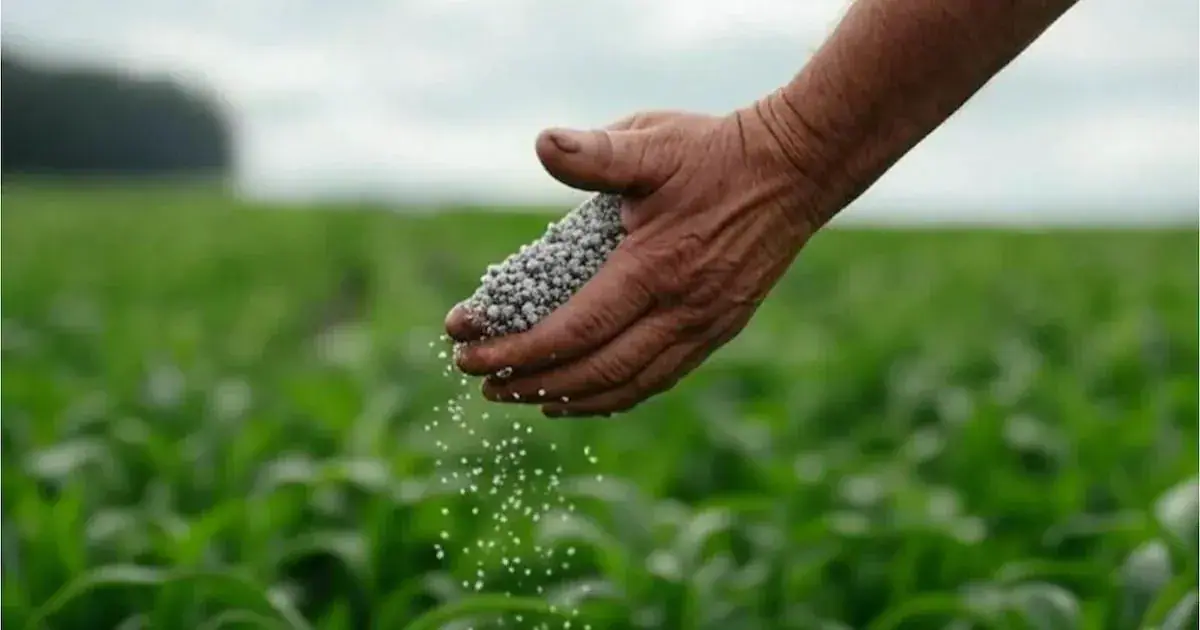
The Bangladeshi Ministry of Agriculture has confirmed that approximately 80% of the country's fertilizer demand is met through imports. This has led Dhaka to seek alternative suppliers, with Algeria emerging as a potential partner. Discussions between the two nations have progressed in recent months, with Algerian producers seeing an opportunity to expand their presence in the Asian market.
Bangladesh's interest in Algerian fertilizers is driven by a significant increase in demand, with imports of diammonium phosphate (DAP) rising by 15.8% between 2024-2025 and 2025-2026 to reach 1.62 million tons. The country's agricultural sector, particularly rice production, relies heavily on fertilizer imports. To ensure regular supplies, Bangladesh has secured a $300 million loan from the World Bank to import 600,000 tons of basic fertilizers.
Algeria's industrial capabilities make it an attractive partner for Bangladesh. The Sorfert complex in Arzew has an annual production capacity of 1.26 million tons of granulated urea and 1.6 million tons of ammonia. Additionally, the Integrated Phosphates Project (PPI) aims to develop a chemical transformation complex in Oued Keberit, with a targeted capacity of 2.4 million tons per year of phosphate fertilizers and 570,000 tons of nitrogenous fertilizers.
While discussions between Algeria and Bangladesh are advancing, no commercial contracts have been signed yet. However, the two countries have signed a memorandum of understanding on hydrocarbons, and Algerian officials have expressed willingness to meet Bangladesh's fertilizer needs. Bangladeshi officials have also invited Algerian companies to invest in the textile, pharmaceutical, and leather sectors.
Algeria faces competition from other fertilizer exporters, including Saudi Arabia, which has proposed a joint venture to produce 1 million tons per year of DAP. Bangladesh is seeking long-term partnerships to secure its fertilizer supplies, and Algerian exporters will need to offer competitive pricing, flexible payment terms, and reliable delivery schedules to succeed.
The potential partnership between Algeria and Bangladesh extends beyond fertilizer trade. Algerian officials have expressed interest in Bangladeshi expertise in textiles, while Bangladesh has sought cooperation in the pharmaceutical and leather sectors. The Algerian Institute of Petroleum has also offered to provide training for Bangladeshi engineers and technicians.
A successful partnership between Algeria and Bangladesh could lead to a more balanced economic relationship, combining trade and technology transfers. With Bangladesh's growing demand for fertilizers and Algeria's industrial capabilities, the two countries may be able to establish a mutually beneficial trade relationship that goes beyond just fertilizer exports.
Key points
- Algeria is exploring the possibility of exporting fertilizers to Bangladesh, which relies heavily on imports to meet its agricultural needs.
- The two countries have signed a memorandum of understanding on hydrocarbons and have discussed cooperation in other sectors, including textiles and pharmaceuticals.
- Algerian exporters will need to offer competitive pricing and reliable delivery schedules to succeed in the Bangladeshi market.