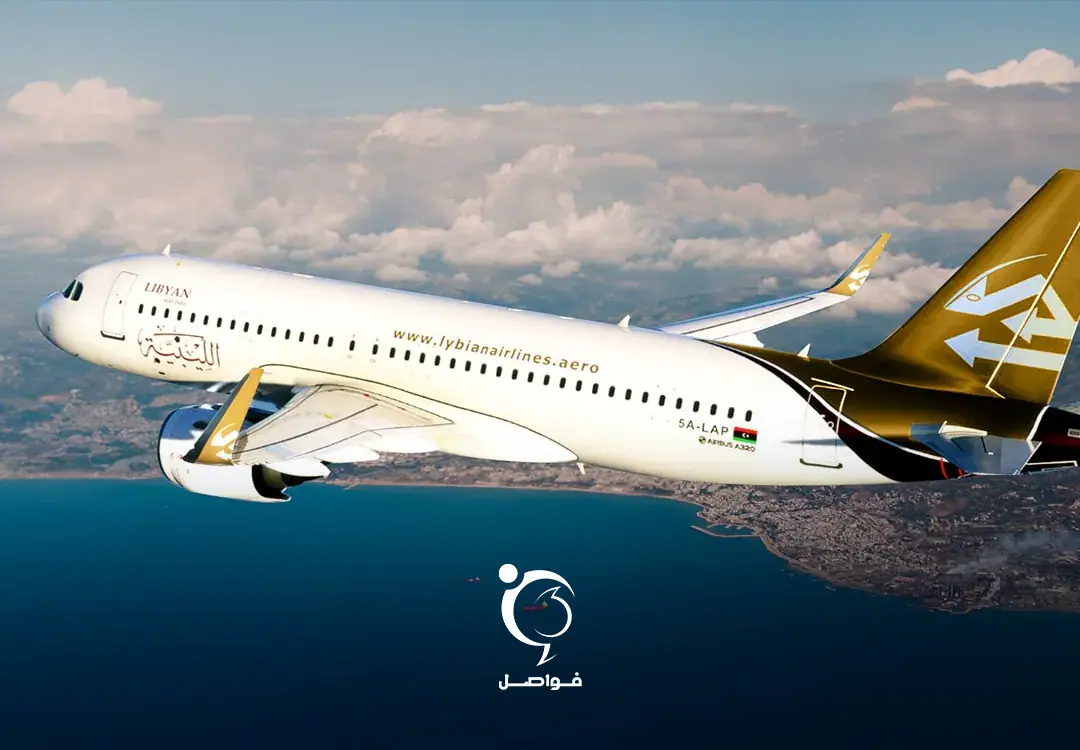
The Libyan government announced on October 26 that it had lifted the international ban on its airspace, citing improvements in the country's civil aviation sector. The move was made possible by the efforts of the Government of National Unity, which has been working to restore confidence in Libya's aviation industry. According to the government, the decision was based on the country's compliance with international aviation standards.
The International Civil Aviation Organization (ICAO) had previously lifted its restrictions on Libya's airspace, which had been in place since 2015 due to security and technical concerns. However, the US Federal Aviation Administration (FAA) has maintained its ban on US-registered aircraft from operating in Libyan airspace, citing security concerns. The ban is set to expire on March 20, 2028.
The US Department of State has also maintained its travel warning for Libya, advising against all travel to the country due to the risk of armed conflict, terrorism, crime, and kidnapping. The warning is currently at Level 4, the highest level of caution. This warning is likely to impact the country's ability to attract tourists and foreign investment.
Despite the US ban, Libyan airlines and airports are working to restore their operations. The country's civil aviation authority has been working to upgrade its infrastructure and improve safety standards. The Libyan government has expressed optimism about the future of the country's aviation industry, citing growing demand for air travel.
The US ban on flights to Libya has had a significant impact on the country's economy, particularly on the tourism sector. The ban has also limited the ability of Libyan airlines to operate internationally, making it difficult for the country to connect with the global economy. The Libyan government has been working to address these challenges and restore the country's airspace to full operation.
The situation highlights the complexities of rebuilding a country's aviation industry after years of conflict and instability. While Libya has made progress in restoring its airspace, the US ban remains a significant challenge. The country's authorities will need to continue working to address security concerns and improve safety standards to convince the US to lift its ban.
The Libyan government's efforts to restore its airspace and rebuild its aviation industry are crucial to the country's economic recovery. The country's authorities will need to balance the need to improve safety standards with the need to restore connectivity and facilitate economic growth. The international community will be watching closely to see how Libya's aviation industry develops in the coming years.
Key points
- The US ban on flights to Libya remains in effect until March 20, 2028.
- The Libyan government has lifted the international ban on its airspace, citing improvements in the country's civil aviation sector.
- The US Department of State advises against all travel to Libya due to security concerns.