Chinese policymakers are increasingly concerned about the national security risks associated with artificial intelligence (AI). The country's spy agency chief recently warned that AI technology could jeopardize national security. This shift in focus comes as the alarming hacking ability of top AI models is leading Beijing to reassess the dangers of AI. The potential vulnerability of Chinese mega-app WeChat was also revealed recently.
A small team of programmers in California used AI to build a cyberattack "worm" that could easily compromise millions of WeChat accounts. This incident has highlighted the cybersecurity impact of AI agent bots acting without human oversight. According to Kevin Xu, founder of US-based technology hedge fund Interconnected Capital, there are more similarities than differences between AI safety issues in China and the US. However, these issues do not get litigated or go viral in public in China.
The Chinese government is actively regulating the use of AI, such as prohibiting the creation of AI-generated avatars in someone's likeness without their consent. Chinese AI policy focuses more on real, present-day harms to society and people. According to Brian Tse, CEO at Concordia AI, a Beijing-based consultancy focused on AI safety, Beijing treats AI as a general-purpose technology that can be managed through regulation.
On the streets of Shanghai, there is a mix of concern and pragmatism about AI. Some people believe that news of the cyberattack "worm" that could hack into WeChat may be a good thing, as it identifies the issue, solves it, and patches the loophole, ultimately benefiting the advancement of cybersecurity. There is also broad support for tight regulation, with one 50-year-old pharmaceutical worker stating that no business would ever impose restrictions on themselves.
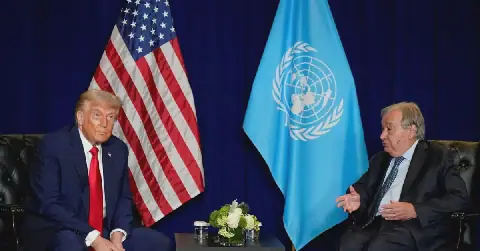
Experts believe that cooperation on shared safety evaluations for AI models or alert systems when crises emerge might be undermined by the fierce competition between China and the US. US President Donald Trump has stated that the US is leading China in AI and wants to keep it that way. Meanwhile, China is concerned that "security" may be used as a tool to restrict its technological development.
The topic of AI safety is expected to be discussed during in-person talks between US President Donald Trump and Chinese President Xi Jinping. Both powers are developing a more realistic and shared understanding of these risks, thereby heightening the sense of urgency to work together. However, the competition between the two countries may hinder cooperation on AI safety.
As the debate over AI governance continues, experts warn that highly capable AI models learning to crack complex passwords could pose a significant threat to national security. If these critical passwords or national security key codes were to be effortlessly cracked, both China and the US would find themselves vulnerable.
Key points
- Chinese policymakers are increasingly concerned about the national security risks associated with artificial intelligence (AI).
- The Chinese government is actively regulating the use of AI to mitigate present-day harms to society and people.
- The fierce competition between China and the US may hinder cooperation on AI safety evaluations and alert systems.