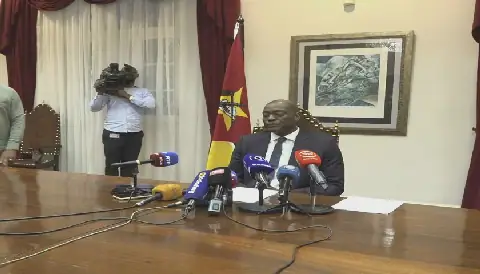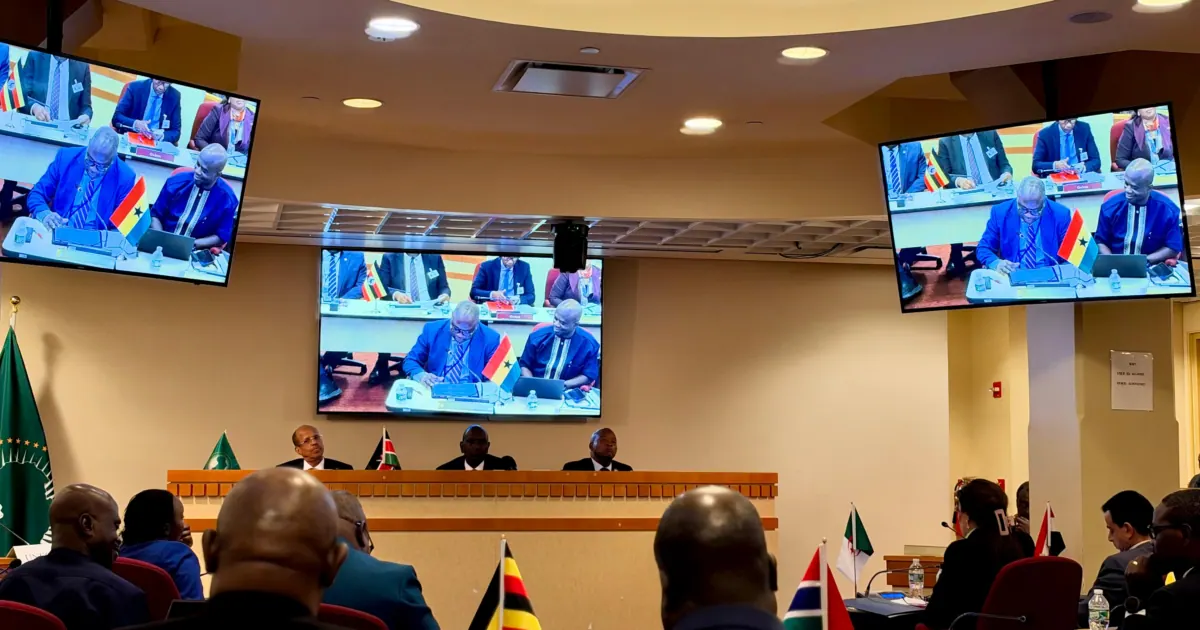
The Chair of the African Group of Negotiators (AGN), Nana Dr. Antwi-Boasiako Amoah, presented Africa's strategic priorities for upcoming climate negotiations at the Committee of African Heads of State and Government on Climate Change (CAHOSCC). The meeting was held ahead of the 31st Conference of the Parties (COP31). Dr. Amoah highlighted key outcomes from COP30 and recent Bonn climate sessions. He emphasized the need for a unified multi-year roadmap spanning COP31 through COP33.
Dr. Amoah warned that global climate action is facing unprecedented challenges. Rising nationalism, conservatism, and climate denial are weakening multilateral cooperation. Geopolitical tensions and the global energy crisis have renewed international reliance on fossil fuels, slowing the transition to clean energy. Across Africa, extreme weather driven by Super El Niño conditions is intensifying droughts, floods, food insecurity, displacement, and energy shortages.
Africa continues to bear disproportionate human, economic, and non-economic impacts from climate-related loss and damage. Despite these mounting crises, global commitments to the UNFCCC and the Paris Agreement are weakening. Current Nationally Determined Contributions (NDCs) leave the world on an estimated warming trajectory of 2.7°C. International climate finance is also contracting, with the Global Environment Facility (GEF) replenishment dropping by approximately 38%.
Dr. Amoah reviewed progress from COP30 and the SBs64 negotiations in Bonn. He highlighted key thematic areas shaping Africa's bargaining positions. These include the Just Transitions Mechanism, Climate Change and Trade, Global Goal on Adaptation (GGA), Climate Finance, Adaptation Fund, and Second Global Stocktake (GST-2). The AGN is prioritizing the operationalisation of the Just Transitions Mechanism and addressing unilateral climate measures.
The AGN is pushing to develop methodologies and guidance for the Global Goal on Adaptation. The group is also demanding concrete steps to improve access to predictable public finance. Dr. Amoah stressed the necessity of treating COP31, COP32, and COP33 as a single, connected political cycle. COP31 will focus on securing progress across the wider UNFCCC agenda.
The strategy includes dedicated support for Ethiopia's COP31 Presidency. The AGN aims to translate negotiation outcomes into concrete implementation and strengthen African priorities. By establishing COP31 as a foundation and COP32 as a milestone for consolidation, the AGN aims to maintain a coherent strategy through COP33.
This multi-year framework is designed to strengthen Africa's agency in multilateral climate negotiations. The goal is to align global climate action directly with the continent's imperatives for sustainable development, energy access, adaptation, industrialisation, and economic transformation. The AGN Chair's presentation aimed to forge a unified African climate strategy ahead of COP31.
Key points
- The AGN Chair outlined Africa's strategic priorities for upcoming climate negotiations at the CAHOSCC meeting.
- Dr. Amoah warned that global climate action is facing unprecedented challenges.
- The AGN is pushing for a unified multi-year roadmap spanning COP31 through COP33.