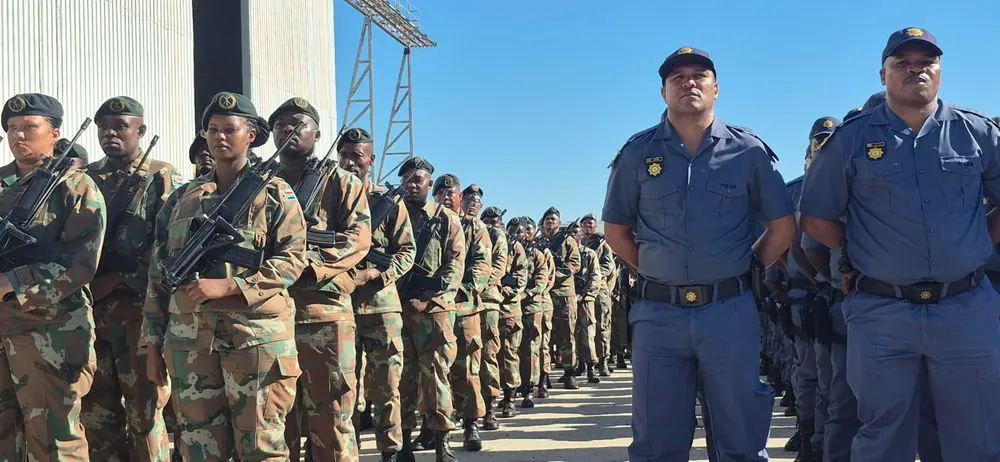
The South African National Defence Force's (SANDF) crime-fighting efforts under Operation Prosper are facing severe operational hurdles due to an ageing, unreliable, and poorly maintained vehicle fleet. Defence Minister Angie Motshekga confirmed these vehicle shortages and maintenance issues in a parliamentary reply. President Cyril Ramaphosa authorised Operation Prosper, sending the army to assist the police in fighting crime in high-risk areas.
The 13-month deployment of the SANDF aims to back up the police in crime-ridden areas at a cost of just over R823m. Motshekga acknowledged that the fleet's condition places significant strain on operations across urban, rural, and mining areas. In a written parliamentary reply to EFF MP Muzi Khoza, Motshekga said her department has instituted measures to mitigate the impact of vehicle unserviceability and maintain operational mobility.
Motshekga could not specify the number of vehicles that are “unserviceable”, but she said the SANDF continuously monitors the serviceability status of vehicles allocated to deployed force elements. The exact number of vehicles that are currently unserviceable varies as vehicles are repaired, returned to service, or withdrawn for further maintenance. The minister acknowledged that the age, condition, and availability of portions of the SANDF vehicle fleet place additional pressure on the execution of Operation Prosper.
To mitigate the impact of the problem, the SANDF has prioritised the repair and recovery of vehicles essential for immediate operational tasks. The SANDF is also conducting technical inspections and condition assessments of vehicles deployed in affected operational areas. Available maintenance capacity, spares, and other logistical resources are being directed towards operationally critical vehicles.
Motshekga said the SANDF is continuously reviewing vehicle allocation and sustainment requirements of deployed units to ensure personnel are not exposed to avoidable safety risks and that operational effectiveness is maintained. The SANDF recognises that Operation Prosper requires vehicles that are reliable, mobile, and suitable for operations in high-risk environments. Vehicle capability requirements are being considered as part of broader operational sustainment and force-readiness requirements.
Security strategist Ambassador Andy Mashaile expressed concerns that the government lacks “smart and strategic thinking” regarding defence resources. Mashaile warned that the continued deployment of the army in communities poses dangers because soldiers are not trained for policing work. He advocated for more investment in soldiers' operations and changes in the police's crime intelligence and leadership modus operandi.
Other experts, including Willem Els of the Institute of Security Studies and Cosatu's parliamentary coordinator Matthew Parks, expressed concerns about the state of the defence and its impact on operations. They highlighted the need for strengthened police crime intelligence, hiring more detectives, and addressing corruption in the service. The experts also questioned the allocation of funds for the operation and the poor state of defence vehicles.
Key points
- The SANDF's ageing vehicle fleet is hampering its crime-fighting efforts under Operation Prosper.
- Defence Minister Angie Motshekga has acknowledged the vehicle shortages and maintenance issues.
- Experts warn that the continued deployment of the army in communities poses risks due to inadequate training and resources.