African negotiators have secured a significant win at COP31, overcoming resistance from wealthy nations to include formal talks on their climate finance obligations under the Paris Agreement. The breakthrough came after intense negotiations that stretched into the opening of the UN climate summit in Antalya, Türkiye. The African Group of Negotiators (AGN) and other developing countries had pushed for a dedicated place on the agenda to discuss how developed countries provide public climate finance.
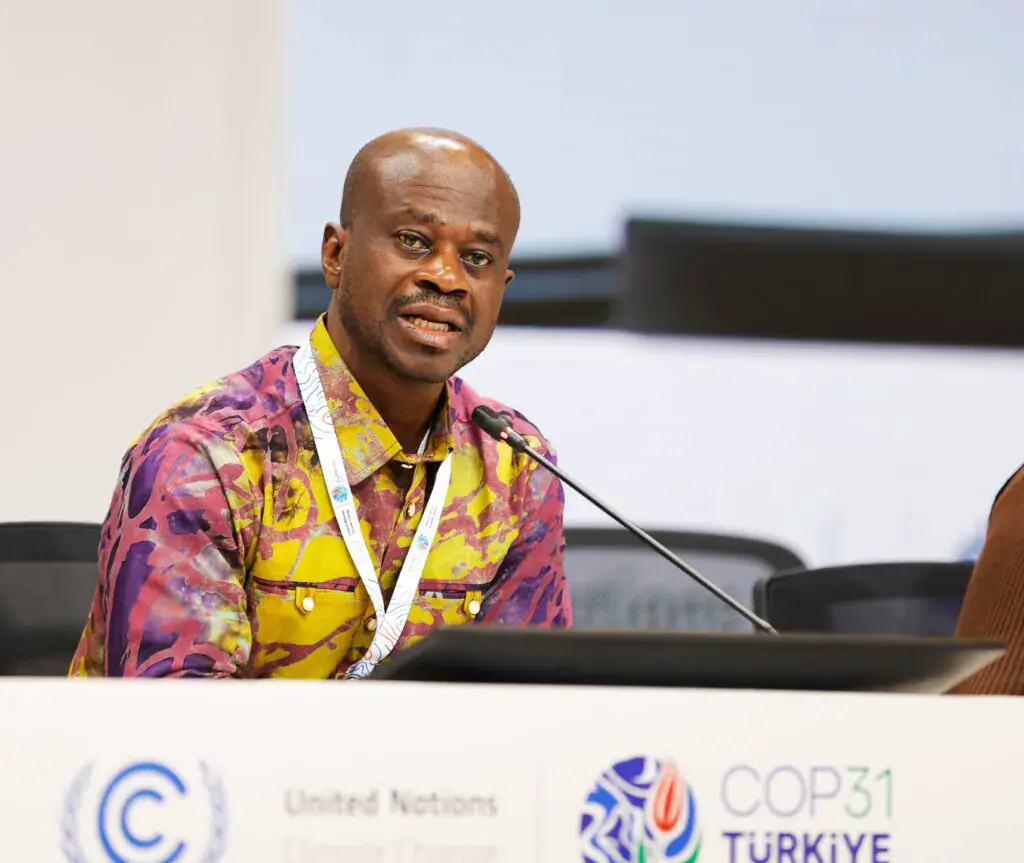
The decision gives developing countries a forum to examine how wealthy nations fulfil Article 9.1 of the Paris Agreement, which requires developed countries to provide financial resources to help developing countries cut emissions and adapt to climate change. AGN chair Nana Dr Antwi-Boasiako Amoah said developed countries initially opposed including the climate finance work programme on the agenda, then proposed conditions that African negotiators rejected.
African countries that rely on fossil fuels will need funding and technology to move faster towards cleaner energy, Amoah said. He emphasized that countries that depend on fossil fuel revenues need time to diversify or enough finance and technology to make a faster shift to cleaner energy. Africa accounts for roughly 4% of global greenhouse gas emissions, while oil and gas remain important sources of public revenue and export earnings for countries including Nigeria, Angola, and Algeria.
Amoah said transition plans should account for historical emissions, levels of development, and reliance on fossil fuel revenues. He argued that Africa should be allowed different transition timelines, considering the continent's development needs and the fact that major emitters have already developed. The alternative, he said, was for developed countries to help pay for a faster transition and provide the technology to make it possible.
Developing countries have pressed for more predictable funding since wealthy nations pledged at COP15 in Copenhagen in 2009 to mobilise US$100 billion a year by 2020. They reached that target two years late, according to the Organisation for Economic Co-operatin and Development. At COP29 in Baku in 2024, governments agreed to raise the annual goal to at least US$300 billion by 2035, alongside a wider effort to mobilise US$1,3 trillion a year from all sources.
African governments and other developing countries criticised the amount and the continued reliance on loans and private capital. In Belém, countries agreed to at least triple adaptation finance for developing countries by 2035. The UN Environment Programme estimates that developing countries will need more than US$300 billion a year for adaptation by then. African governments say droughts and floods are already putting pressure on public budgets stretched by debt repayments.
The group is also pressing for talks on climate-related trade measures, amid concerns that new carbon-related import rules could raise costs for African exporters. The proposed item stayed off the formal agenda, but negotiators secured a chance to contribute to a ministerial dialogue expected next year. For African negotiators, the next test is whether the opening breakthrough leads to commitments on how much finance will be available, on what terms, and when it will reach developing countries.
Key points
- African negotiators secure formal talks on wealthy countries' climate finance obligations under the Paris Agreement
- Developed countries initially opposed including the climate finance work programme on the agenda
- African countries need funding and technology to transition to cleaner energy and require different transition timelines