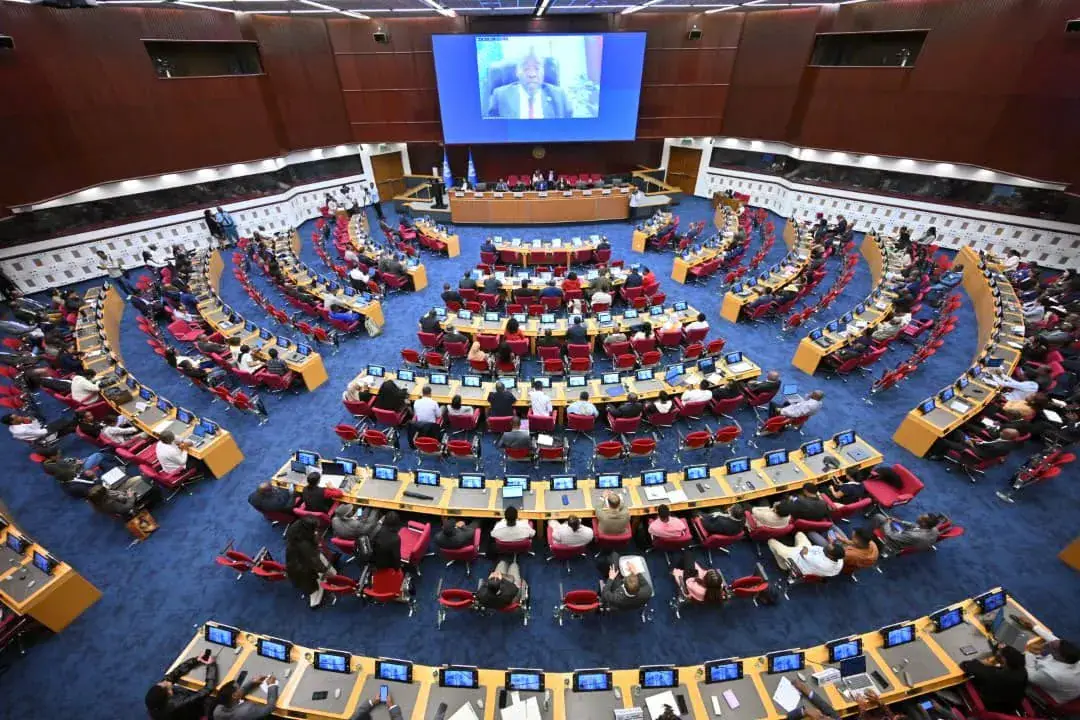
As the 31st United Nations Climate Conference (COP31) approaches, African negotiators are prioritizing climate adaptation financing. The conference, scheduled for November 9-20, 2026, in Antalya, Turkey, will address the continent's needs for protecting populations, infrastructure, and economies from climate-related disasters. African nations are seeking concrete commitments and sufficient resources to enhance their resilience to climate change. According to a letter from the African Group of Negotiators, three key issues will be on the agenda: tripling adaptation financing, the link between trade and climate change, and funding mechanisms for the Green Climate Fund.
The push for increased climate financing is driven by a significant funding gap. A 2026 report by the United Nations Environment Programme (UNEP) reveals that developing countries received $28.2-31.7 billion in international public adaptation financing in 2024. However, their annual needs are projected to reach $305 billion by 2035. At COP30 in 2025, countries agreed to triple public international adaptation financing for developing countries by 2035. Nevertheless, several questions remain unanswered, including the reference amount for calculating this increase, the distribution of contributions, and the modalities for disbursing resources.
Even if the COP30 goal is met, the mobilized funds will only cover 20-29% of estimated needs. African countries require predictable, accessible, and adapted financing to support projects in agriculture, water management, coastal zone protection, and climate-resilient infrastructure construction. The current financing landscape is characterized by a significant deficit, and African nations are advocating for more substantial commitments from developed countries. They stress that it is no longer sufficient for developed countries to announce new pledges; the promised resources must reach the countries and communities that need them most.
The African Group of Negotiators, chaired by Ghana, is leading the push for increased climate financing. In a letter to Simon Stiell, Executive Secretary of the UN Framework Convention on Climate Change, the group emphasized the need for concrete commitments on adaptation financing. The letter highlighted the importance of addressing the funding gap and ensuring that resources are allocated effectively to support climate change adaptation efforts.
Climate change has severe impacts on African countries, including frequent droughts, floods, and heatwaves. These events have devastating effects on agriculture, water resources, and human settlements. African nations are seeking to enhance their resilience to these impacts through climate-resilient infrastructure, sustainable agriculture practices, and climate-informed water management. However, these efforts require significant financing, which is currently in short supply.
The COP31 conference will be a critical test of international climate cooperation. African countries are calling for developed nations to demonstrate their commitment to climate action by providing sufficient and predictable financing. The conference will also address other pressing climate issues, including the link between trade and climate change. A key challenge will be to ensure that the needs of vulnerable countries are addressed and that climate financing is allocated effectively.
The outcome of COP31 will have significant implications for African countries and the global climate agenda. If successful, the conference could lead to increased climate financing and enhanced cooperation on climate change adaptation. However, if the conference fails to deliver concrete commitments, African countries may struggle to adapt to the impacts of climate change, with severe consequences for their economies, populations, and ecosystems.
Key points
- African nations are seeking to triple adaptation financing and address the link between trade and climate change at COP31.
- The continent requires $305 billion in annual climate financing by 2035, but current funding falls short of this target.
- COP31 will be a critical test of international climate cooperation and the commitment of developed countries to support climate change adaptation efforts.