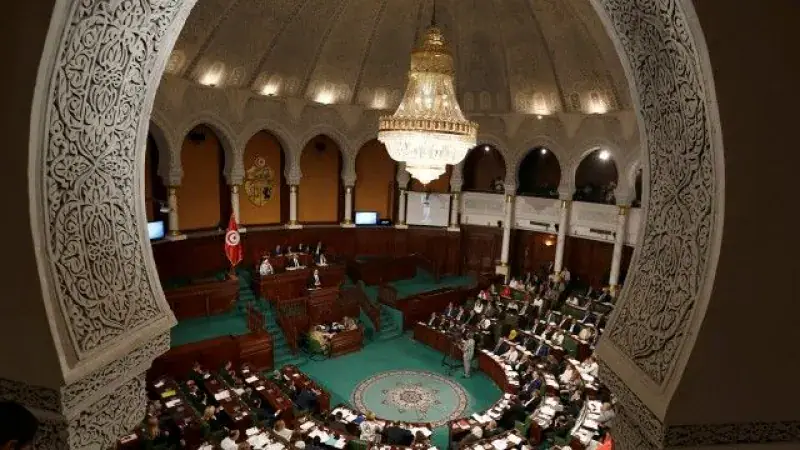
The Tunisian parliament is set to hold joint sessions from November 9 to discuss the country's 2027 budget and economic plans. These sessions will bring together members of the Assembly of People's Representatives and the National Council of Regions and Districts. The discussions will focus on the government's economic and financial policy directions for the upcoming year.
The 2027 budget is part of Tunisia's development plan for 2026-2030, which aims to promote economic growth and social justice. According to Prime Minister Sarah El-Zafrani El-Znari, the budget will focus on stimulating economic growth by developing high-value-added sectors and promoting public and private investment. The plan also aims to improve the business climate and enhance the country's competitiveness.
The budget was prepared in a challenging global economic environment marked by uncertainty and geopolitical tensions. Finance Minister Mechakha Salama presented the budget to parliament on October 29, highlighting the government's efforts to promote economic growth while maintaining public finance sustainability. The budget assumes a 3.1% economic growth rate and a Brent oil price of $80 per barrel.
The government's economic plans for 2027 include promoting investment, improving the business climate, and enhancing competitiveness. According to Economy and Planning Minister Samir Abdel Hafiz, the investment-to-GDP ratio is expected to rise to 16.4% in 2027, with foreign direct investment reaching 4.8 billion dinars. The government also aims to increase exports of goods and services by 8% and reduce inflation to 5.2%.
Experts have emphasized the need for Tunisia to balance its economic and financial goals with social and development priorities. They argue that the 2027 budget should focus on promoting economic growth, reducing inequality, and improving living standards. Some experts have also called for a review of the tax system to make it more equitable and efficient.
The joint parliamentary sessions will continue until November 25, during which lawmakers will discuss the budget and economic plans in detail. The government aims to pass the 2027 budget by December 10, as required by the constitution. The budget will then be implemented from January 1, 2027.
The 2027 budget and economic plans are crucial for Tunisia's economic recovery and development. The government faces significant challenges, including high unemployment, inflation, and public debt. However, with a focus on promoting investment, improving the business climate, and enhancing competitiveness, Tunisia aims to achieve sustainable economic growth and improve living standards for its citizens.
Key points
- The 2027 budget is part of Tunisia's development plan for 2026-2030, which aims to promote economic growth and social justice.
Reporting sources
- Radio Le Kef · Radio Le Kef