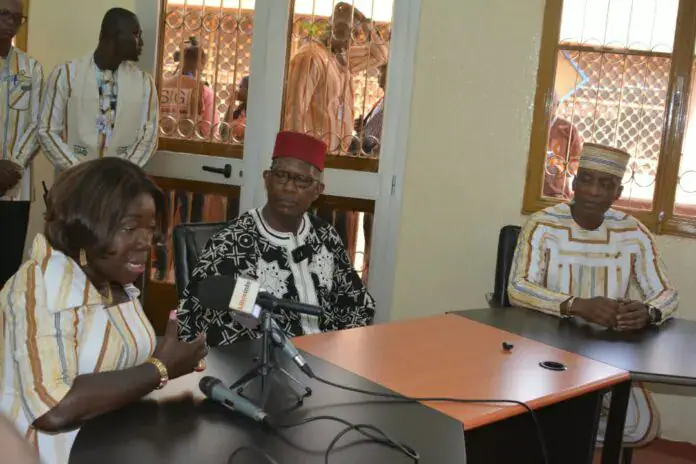
On October 30, 2026, ministers responsible for handicrafts from member countries of the Organization for the Development and Promotion of African Handicrafts (ODEPA) gathered in Ouagadougou, Burkina Faso. The meeting took place during the 18th edition of the International Handicraft Fair of Ouagadougou (SIAO). The discussions centered on the priorities outlined in their 2026-2028 roadmap, including standardization, labeling, and synergies between handicrafts and industrialization. This initiative aims to boost African handicrafts through enhanced cooperation among states. The meeting was attended by ministers from various African countries.
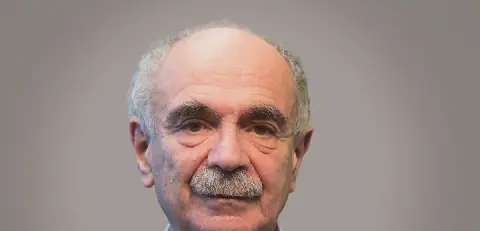
The president of ODEPA, Mamou Daffé, who is also the Malian minister of Handicrafts, Culture, Hospitality, and Tourism, addressed the press after the meeting. He emphasized that this gathering is crucial for strengthening concertation among African countries regarding handicraft promotion. Daffé expressed his gratitude for the invitation from the Burkinabé government to participate in SIAO, highlighting its significance as a major event for African handicrafts. He noted that Ouagadougou hosts the ODEPA headquarters, which comprises 28 African countries. The presence of ministers responsible for handicrafts at this continental meeting is essential for reviewing their two-year roadmap.
The discussions focused on the main orientations of the ODEPA's roadmap, with particular emphasis on the standardization and labeling of handicraft products. Participants also examined the connection between handicrafts and industrialization, aligning with the theme of the SIAO edition. According to Daffé, this thematic aligns with the ambitions outlined in ODEPA's new roadmap. Ministers were also received by the President of Faso during the opening ceremony, where they received encouragement and guidance for developing African handicrafts.
The meeting was notable for the participation of Ghana as the guest of honor at SIAO 2026. Daffé welcomed the presence of his Ghanaian counterpart within the organization's structures. As a member of ODEPA, Ghana may also explore participation as an associate member of the AES space. This prospect was well-received by organization officials, considering the historical and cultural ties between the peoples. Daffé stressed the importance of reconnecting with deep-seated realities, traditions, and common values of African peoples.
Daffé praised the presence of several African delegations in Ouagadougou, including those from Madagascar and Niger. He advocated for handicraft promotion that extends beyond the AES space or West Africa, embracing a continental dynamic. According to him, the promotion of handicrafts should reflect a shared African heritage, contributing to sovereignty and identity. He called for an autonomous, dignified Africa capable of constructing its development model based on its resources, skills, and artisans' creativity.
The ministers present intend to utilize the ten days of the Salon to continue consultations and strengthen synergies for a better promotion of African handicrafts. They aim to create a robust platform for cooperation and development of the sector. Daffé invited other African countries to join the organization, emphasizing the need for collective efforts to enhance handicraft promotion.
The strengthened cooperation among African countries aims to elevate the handicraft sector, capitalizing on the continent's rich cultural heritage and creativity. This initiative is expected to contribute to Africa's economic and social development, fostering a more integrated and self-sufficient model. Key stakeholders will continue to engage in discussions and collaborations to ensure the successful implementation of the roadmap.
Key points
- Ministers from African countries gathered in Ouagadougou to discuss the future of handicrafts.
- The meeting focused on standardization, labeling, and synergies between handicrafts and industrialization.
- The strengthened cooperation aims to promote African handicrafts and contribute to the continent's economic and social development.