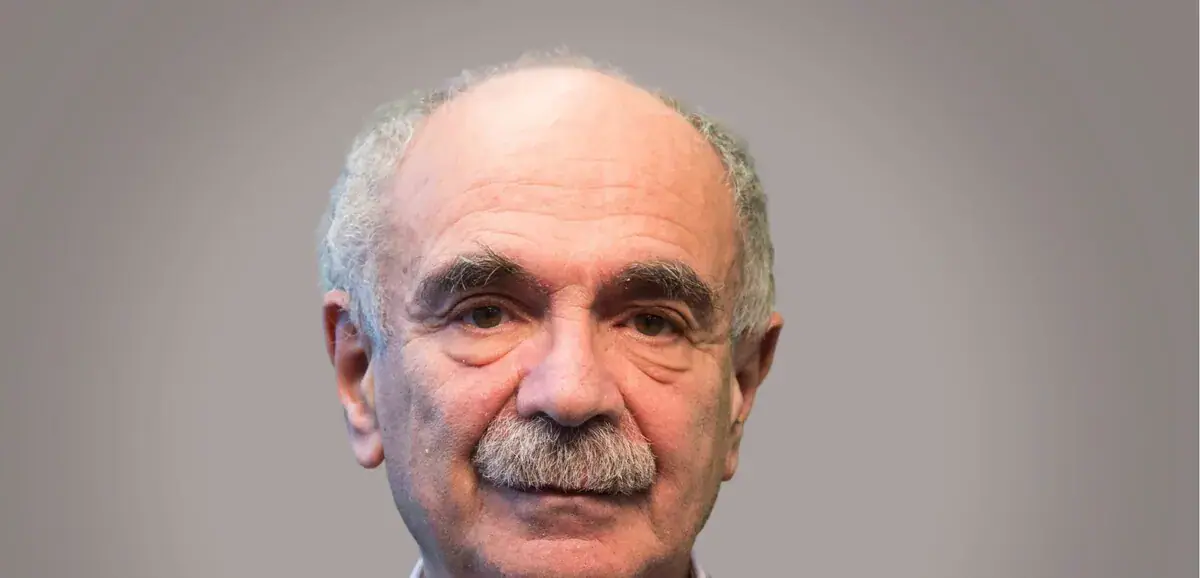
French sociologist Michel Wieviorka has expressed concern that racism has become deeply ingrained in French politics. In an interview with Africa Radio, Wieviorka stated that racism is no longer just a marginal issue, but has become a central part of the country's political debate. This warning comes 34 years after Wieviorka co-authored a book titled "La France raciste" (Racist France).
Wieviorka's comments were made in the wake of a racist attack in Trappes, a suburb of Paris. The attack sparked widespread outrage and led to a rally of around 15,000 people in solidarity with the victims. Wieviorka noted that the rise of racist discourse has been a gradual process, fueled in part by the growing influence of far-right and traditional right-wing ideologies.
The sociologist attributed the growing acceptance of racist discourse to the way politicians and media outlets often target minority groups, such as Muslims, Black people, and immigrants. Wieviorka argued that these tactics contribute to a climate in which racist acts are more likely to occur. He also expressed concern that anti-racist policies, while necessary, may not be enough to combat the problem.
Wieviorka emphasized that the fight against racism is not a lost cause, but rather an ongoing effort that requires continued commitment. He called for improved education and teacher training to help combat prejudice and promote greater understanding. The sociologist also stressed the need for a collective effort to address the root causes of racism.
Wieviorka's warnings come ahead of the 2027 French presidential election, which he fears may exacerbate existing social divisions. He noted that the current political climate is characterized by an "ethnicization of collective life" and a growing fragmentation along cultural and identity lines.
The sociologist attributed this trend in part to the failure of politicians to address pressing social and economic issues. Wieviorka argued that when people feel that their concerns are not being addressed, they may become more susceptible to identity-based appeals. Despite these challenges, he expressed optimism about the potential for positive change.
Wieviorka pointed to the example of a recent movement among French students and young people who are actively working against racism. He emphasized that while there are certainly problems to be addressed, there are also signs of hope and resilience in French society. The sociologist's comments have sparked a renewed debate about the state of racism in France and the need for collective action to address the issue.
Key points
- Michel Wieviorka warns that racism has become a central part of French political life.
- The sociologist attributes the rise of racist discourse to the growing influence of far-right and traditional right-wing ideologies.
- Wieviorka calls for improved education and collective action to combat racism and promote greater understanding.