The exotic pet trade is increasingly targeting some of Africa's smallest and least conspicuous wildlife species, with recent seizures of ants, spiders, and scorpions revealing the alarming scale of this illicit trade. In Kenya, winged giant African harvester ants are being captured and sold for as much as US$220 on the illegal exotic pet market. These ants, specifically the Messor cephalotes queen, are being collected in large numbers and sealed individually inside plastic tubes, making the trade easy to conceal.
The ecological cost of this trade is difficult to measure, but it can have significant impacts on the environment. Harvester ants play a crucial role in aerating soil, redistributing nutrients, and carrying seeds across the savannah. Their loss can have ripple effects throughout the ecosystem, impacting plant growth and food availability for other species. Entomologist Dino Martins refers to them as "the farmers of the grassland" due to their importance in maintaining a diversity of grasses.
Recent busts have highlighted the scale of this illicit trade. In 2025, four people were caught attempting to smuggle more than 5,000 ants out of Kenya, and were fined about US$7,700 or sentenced to 12 months in prison. Investigations traced the trafficking network through Nairobi, Gilgil, and Naivasha. Later, in March 2026, Kenyan authorities intercepted more than 2,200 live queen garden ants at Jomo Kenyatta International Airport, reportedly bound for China.
The removal of a single reproductive queen from her natural environment can have significant impacts on the colony and the ecosystem. In colonies dependent on a single reproductive queen, removing her stops the production of new workers, and the colony will eventually decline and ultimately collapse. This loss extends beyond the nest, with impacts on plant growth and food availability for other species.
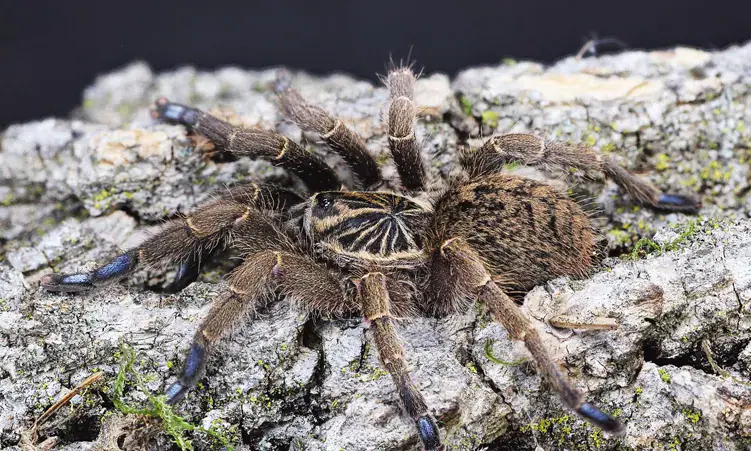
The blue-footed baboon spider is another species being targeted by the exotic pet trade, but it is unclear how many remain in the wild and the extent of trafficking. The species appears regularly in the international exotic pet trade, but without data on their population size and trade volume, researchers cannot gauge the pressure this trade places on their population survival.
South Africa is home to 44 baboon spider species across eight genera, many of them endemic. The blue-footed species is found nowhere else in the world, and they spend most of their life in silk-lined burrows, rarely traveling far. This makes surveys difficult, and more research is needed to understand the impact of the exotic pet trade on this species.
The exotic pet trade is a significant threat to Africa's smallest wildlife species, and more needs to be done to address this issue. The trade is often overlooked, but it can have significant ecological costs and impacts on the environment. As the trade continues to grow, it is essential that researchers, conservationists, and law enforcement agencies work together to understand and address the impacts of this trade on Africa's unique and fascinating wildlife.
Key points
- The exotic pet trade is increasingly targeting Africa's smallest wildlife species, including ants, spiders, and scorpions.
- The removal of a single reproductive queen from her natural environment can have significant impacts on the colony and the ecosystem.
- The blue-footed baboon spider is another species being targeted by the exotic pet trade, but more research is needed to understand the impact on this species.