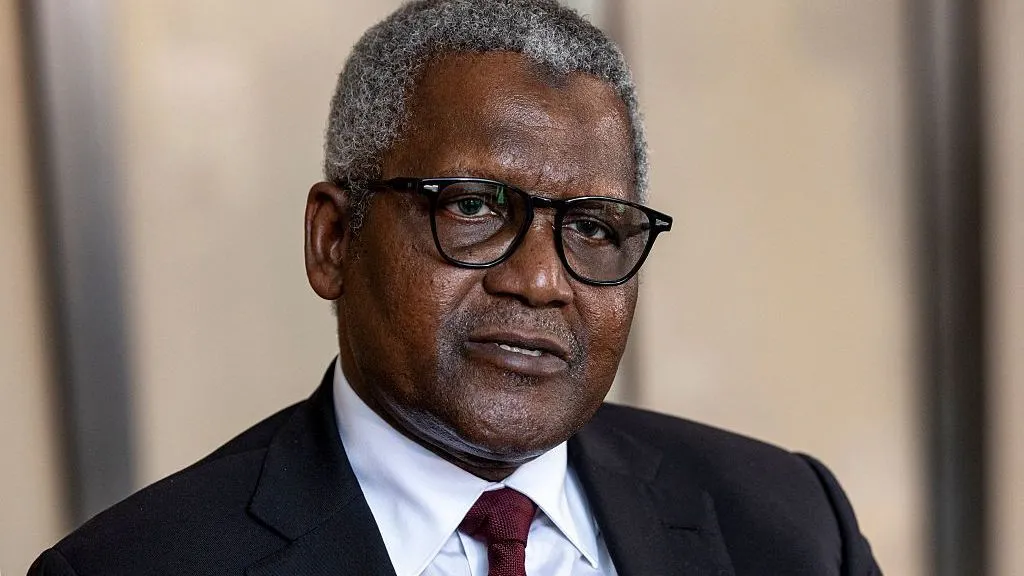
Nigerian billionaire Aliko Dangote and Kenya's President William Ruto have launched a $16bn oil refinery in Lamu, on Kenya's northern coast. The refinery is expected to process 700,000 barrels of crude oil a day, making it East Africa's largest industrial project by capacity. The project was attended by leaders of Uganda, Ethiopia, Togo, and Benin. Dangote has offered regional governments a combined 30% stake in the refinery.
Local residents protested the project, demanding more compensation for land used for the refinery. Dangote dismissed the protests, saying they were "games played by local marketers and international players." He insisted the refinery would go ahead and would be ready by 2030 as planned. Dangote also said the company took only the portion of land it needed from what the government made available.
The refinery is set to become the only one in East Africa and is Kenya's largest infrastructure project since independence, surpassing the $5.1bn Standard Gauge Railway. Dangote said the project marked a new chapter in Africa's industrial journey to a brighter future. He cited his Nigerian refinery, Lekki, as proof that such projects can be done.
Critics have questioned the decision to build the refinery in Kenya, which is not an oil-producing country. Others suggested Tanzania or Uganda, both moving towards oil exports through the East African Crude Oil Pipeline. However, Kenya's Energy and Petroleum Minister Opiyo Wandayi said the refinery's location did not mean it would rely on oil from the region.
Wandayi said refineries get crude oil from the market, which is open. Dangote made a similar point, citing Singapore as an example. "Singapore doesn't produce a single drop of oil, yet they have a lot of refineries," Dangote said. The refinery will also include a 1,000-megawatt power plant.
Dangote sees reliable electricity as a critical constraint on industry. He said the refinery would create 60,000 jobs at the height of construction, with benefits extending beyond those employed directly by the project. Walid Ali, co-founder of the Save Lamu campaign group, expressed concerns about the environmental impact of the project.
Ali's group is asking for the findings from the environmental impact assessment to see what mitigation measures are being proposed. Dangote's project has been hailed as a major investment in Africa's industrial sector. The project's success could have significant implications for the region's economy and energy landscape.
Key points
- The refinery is expected to process 700,000 barrels of crude oil a day.
- The project was attended by leaders of Uganda, Ethiopia, Togo, and Benin.
- Dangote has offered regional governments a combined 30% stake in the refinery.