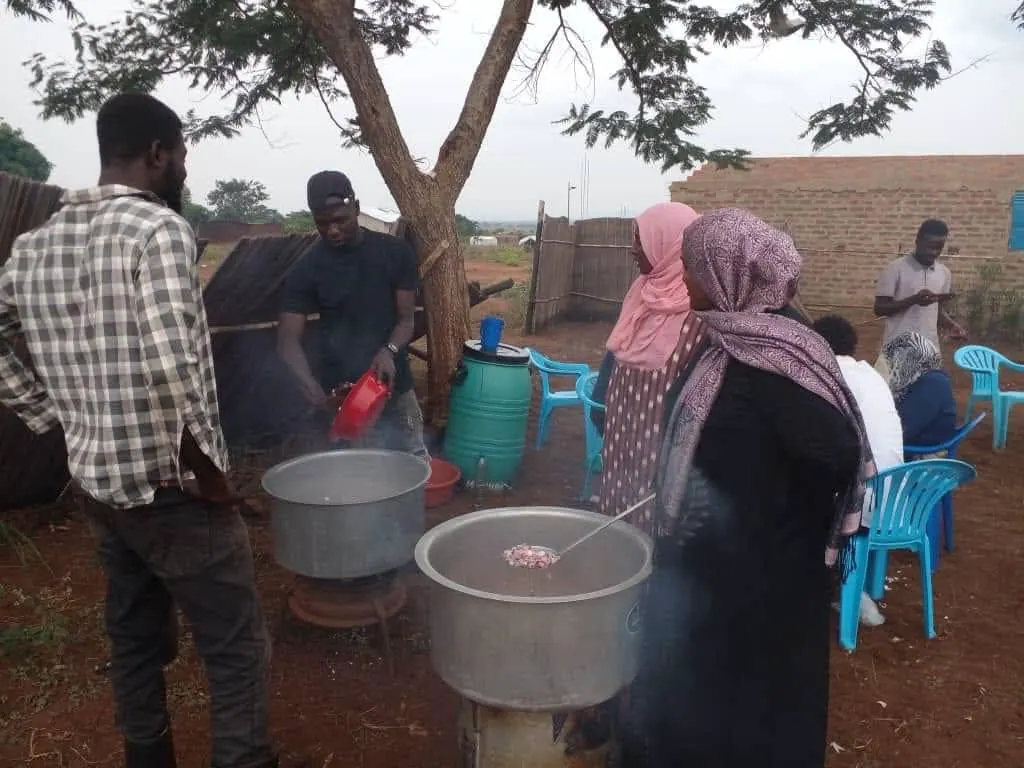
The 26 kitchens in Kyandengya, Uganda, that were providing daily meals to Sudanese refugees have ceased operations due to a shortage of food supplies and reduced support. The kitchens, which were serving a vital role in alleviating hunger and malnutrition, stopped working on September 30, 2026. According to Ma'atsam Ahmed, secretary of the kitchens in Kyandengya, the shutdown was due to the unavailability of food supplies.
The kitchens were providing one meal per day to the refugees and played a significant role in reducing hunger and diseases related to malnutrition. The shutdown has affected vulnerable groups, including children, pregnant women, patients, and the elderly, who rely on these meals due to limited job opportunities and difficulties in accessing food. Ahmed appealed to humanitarian organizations, charities, businessmen, and supporting parties to provide continuous assistance.
A report by the Supreme Committee for Kitchens in Kyandengya stated that the kitchens require 10,000 kilograms of corn flour, 4,200 kilograms of rice, and an equal amount of beans, as well as 504 liters of cooking oil and 300 kilograms of salt every month. The report also mentioned that the kitchens need 1,680 kilograms of red lentils, 1,260 kilograms of onions, 84 kilograms of garlic, and 21 kilograms of coriander.
The monthly requirements also include 14 cartons of sauce, 84 packets of wheat flour, four large carts of firewood used for cooking, 1,000 kilograms of soy flour, 400 kilograms of sugar, and 386 sheets of dried fish. Additionally, the kitchens require 160 liters of liquid soap and 168 kilograms of vegetables. The estimated monthly cost of providing these necessities and operating the kitchens is around 100 million Ugandan shillings.
Dr. Mohamed Abdulkadir, director of the M.R.C kitchen and member of the Supreme Committee for Kitchens, stated that the kitchens were providing food for families, children, the elderly, and those without a source of income. She emphasized that the shutdown has led to a deterioration in living conditions. The shutdown has raised concerns about the well-being of the refugees who depend on these meals.
The closure of the kitchens has affected the refugees' ability to access basic necessities, and humanitarian organizations are urged to provide support. The shutdown has also raised concerns about the potential increase in malnutrition and related diseases. Efforts are being made to secure funding and food supplies to resume operations.
The situation in Kyandengya remains challenging, with refugees relying on external support for their daily needs. The shutdown of the kitchens has highlighted the need for sustained support from humanitarian organizations and donors to ensure the well-being of vulnerable populations.
Key points
- The shutdown of 26 kitchens in Uganda's Kyandengya refugee camp has affected the food security of Sudanese refugees.
- The kitchens require monthly supplies, including 10,000 kilograms of corn flour and 504 liters of cooking oil.
- The estimated monthly cost of operating the kitchens is around 100 million Ugandan shillings.