The inaugural Africa Capital Week 2026, held in Nairobi, Kenya, brought together policymakers, regulators, investors, and business leaders to discuss ways to strengthen Africa's capacity to finance its economic development. The five-day forum, themed "Deepening Capital Markets to Advance Africa's Economic Sovereignty," focused on connecting available capital with credible, investment-ready projects. Stakeholders examined ways to deepen financial-market integration and improve access to financing for energy and infrastructure projects across the continent.
Director-General of the Securities and Exchange Commission (SEC), Dr. Emomotimi Agama, highlighted the crucial role of deeper capital markets in mobilising financing for development and strengthening economic resilience. He emphasised the need for greater cooperation among African capital markets and measures to improve investor confidence, particularly in supporting infrastructure and other long-term investments. Agama's remarks underscored the importance of a robust capital market in driving Africa's economic growth.
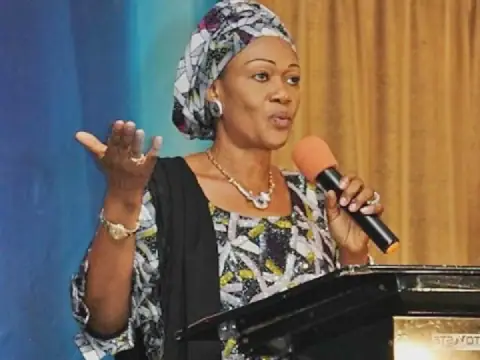
Olamide Efosa-Austin, Lead, Business Performance & JV Assets at NNPC Limited, called for an integrated approach to financing Africa's energy future at a session on financing renewable energy and climate change. She argued that the continent's energy transition should not be reduced to a choice between conventional and renewable energy sources, noting that energy policy and financing must also address industrialisation, energy security, employment, and economic growth.
Efosa-Austin stressed that Africa needs to mobilise domestic and institutional capital, alongside international investment, to expand its participation in global energy financing. She also emphasised the need for capital deployed in Africa to generate long-term economic value, amid the continent's significant financing requirements for energy infrastructure and broader development. Her remarks highlighted the complexities of Africa's energy landscape and the need for a comprehensive approach.
The discussions at Africa Capital Week highlighted the industry challenge of matching available capital with bankable projects capable of attracting long-term investment and generating productive economic activity. Stakeholders identified regulatory cooperation and greater integration of African financial markets as essential to improving the flow of capital across borders. These issues are critical to unlocking Africa's economic potential and achieving sustainable development.
A major outcome of the event was the Nairobi Declaration 2026, which sets out commitments covering regulatory cooperation, greater integration of African securities exchanges, development of an Africa Bankable Projects Pipeline, and mobilisation of institutional capital for infrastructure. The declaration aims to strengthen financial integration and improve the deployment of capital towards projects considered critical to Africa's economic development.
The organisers announced that Africa Capital Week would become an annual continental platform, with future editions hosted on a rotational basis across African countries. This move is expected to foster continued collaboration and knowledge-sharing among stakeholders, ultimately contributing to Africa's economic growth and development. The next edition of Africa Capital Week is highly anticipated, with expectations of further progress on the continent's economic agenda.
Key points
- African capital market stakeholders call for stronger domestic capital mobilisation and improved access to financing for energy and infrastructure projects.
- Experts emphasise the need for greater cooperation among African capital markets and measures to improve investor confidence.
- The Nairobi Declaration 2026 sets out commitments to strengthen financial integration and improve the deployment of capital towards critical projects.