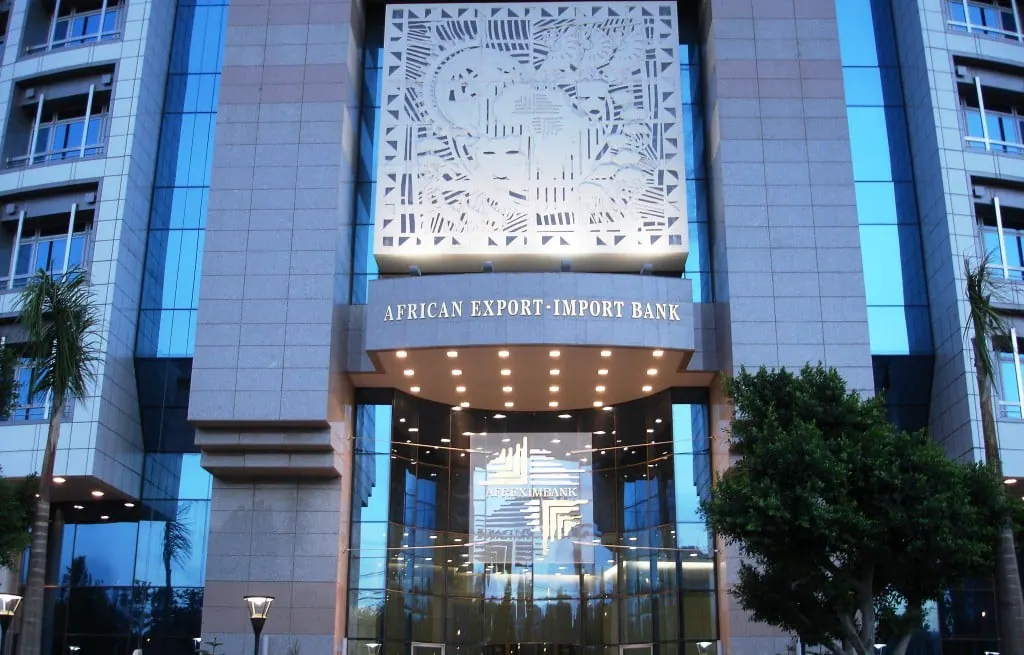
The African Export-Import Bank (Afreximbank) has announced that its shareholders' equity has risen to almost $9 billion. This significant growth is attributed to successive cash contributions from its shareholders, demonstrating their commitment to the bank's financial strength. Afreximbank's President and Chairman of the Board of Directors, George Elombi, made this disclosure at the Alamein Africa Forum 2026 in New Alamein, Egypt.
According to Elombi, Afreximbank's financial performance has been impressive, with a 30 percent increase in net income in the first half of 2026. The bank's balance sheet has also expanded to roughly six times its size a decade ago. These achievements reflect the bank's sustained growth and its ability to respond to economic shocks. African shareholders have contributed significantly to this growth, with nearly $300 million in fresh equity added in 2025 and another $226 million paid so far in 2026.
Elombi emphasized that the bank's ability to intervene during crises is central to its mandate. Afreximbank was established in 1993 to address Africa's debt crisis and the withdrawal of international banks from the continent. The bank has since responded to major crises, including the COVID-19 pandemic, the Russia-Ukraine war, and disruptions arising from the Gulf conflict. Its interventions have helped stabilize economies and support businesses.
One notable example of Afreximbank's intervention is its support for Ghana during its economic crisis. Despite other international lenders reducing or withdrawing credit lines, Afreximbank chose to support the country, consistent with its mandate as an African-owned institution. The bank's decision was taken without seeking approval from external institutions, demonstrating its commitment to supporting African economies.
Afreximbank's support for Ghana helped sustain the country's economy during a critical period, making it possible for other multilateral institutions to intervene later. However, the bank was subsequently downgraded by rating agencies due to its exposure to Ghana during the country's debt restructuring. Elombi argued that this downgrade was unfair, as it was based on the treatment of Afreximbank as a private lender rather than a multilateral financial institution.
Elombi criticized the international credit-rating framework for giving significant weight to callable capital and highly rated sovereign shareholders, while underrecognizing the actual cash capital provided by African shareholders. He emphasized that African governments have repeatedly demonstrated their willingness to inject real capital into Afreximbank, unlike callable capital, which has historically remained largely a promise.
Despite the challenges, Afreximbank has received recognition for its countercyclical lending role and shareholder support. S&P has assigned the bank an investment-grade rating, and Elombi urged African governments to continue capitalizing the bank and defending its treaty-based preferred creditor status. He stressed the importance of stronger home-grown financial institutions capable of mobilizing African savings and financing trade, businesses, and infrastructure.
Key points
- Afreximbank's shareholders' equity has reached $9 billion, driven by sustained capital injections from African shareholders.
- The bank has responded to major crises, including the COVID-19 pandemic, the Russia-Ukraine war, and disruptions arising from the Gulf conflict.
- Afreximbank's support for Ghana during its economic crisis helped sustain the country's economy and paved the way for other multilateral institutions to intervene.