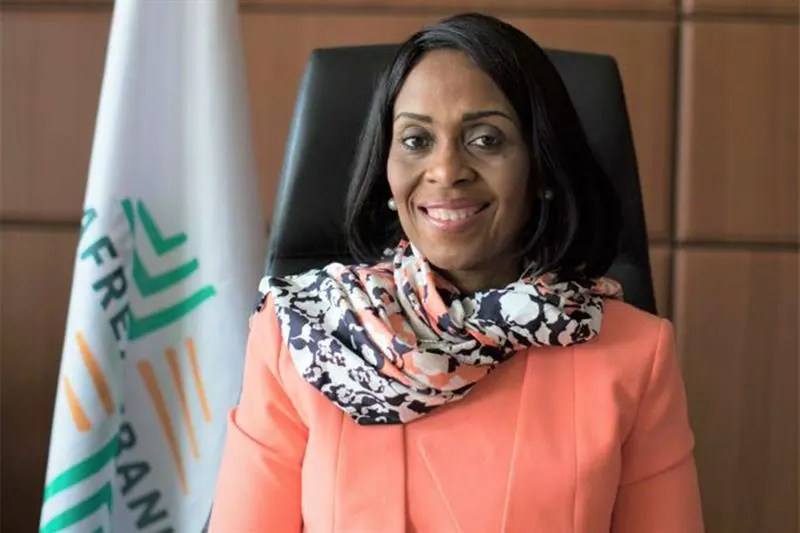
Kanayo Awani, Executive Vice President of Intra-African Trade and Export Development at the African Export-Import Bank (Afreximbank), has emphasized the crucial role of the automotive industry in driving Africa's industrialization. With an average of 30,000 components per vehicle, the industry has the potential to create numerous jobs, stimulate economic growth, and foster development across the continent. Awani made these remarks on the sidelines of the Automotive Forum, which was organized and sponsored by Afreximbank.
The Automotive Forum aims to stimulate trade and investment among African countries, bringing together key stakeholders, including automobile manufacturers, financiers, policymakers, and component suppliers. Awani stressed that the industry's development requires a conducive policy framework, citing the success stories of Morocco and South Africa, where favorable policies have attracted significant investments. The forum provides a platform for matchmaking, enabling suppliers to connect with original equipment manufacturers (OEMs) and investors with opportunities.
Afreximbank has been actively promoting intra-African trade for over a decade, supporting the implementation of the African Continental Free Trade Area (AfCFTA). The bank has developed instruments to address the numerous bottlenecks hindering trade, including the lack of access to commercial information and the complexity of monetary systems. Awani highlighted the bank's initiatives, such as the Intra-African Trade Fair (IATF), which brings together stakeholders on a single platform to facilitate trade.
One of the major challenges facing intra-African trade is the multiplicity of currencies and the informality of commerce. To address this, Afreximbank has launched the Pan-African Payment and Settlement System (PAPSS), aimed at reducing the high cost of foreign exchange in trade and formalizing the informal sector. The bank is also working to address customs-related bottlenecks, infrastructure deficits, and the absence of unified standards.
Afreximbank is working with the COMESA to establish a continental framework for transit guarantees, enabling goods to move from their point of origin to their destination under a single, integrated guarantee. The bank is also investing in industrial parks to address the continent's infrastructure deficit, with 11 operational parks already established. Awani emphasized that Afreximbank's next strategic plan will focus on industrial ecosystems, providing financing, risk management instruments, and advisory services to support industrialization.
The African automotive industry faces significant challenges, including a lack of infrastructure, customs-related bottlenecks, and the absence of unified standards. However, Awani is optimistic about the sector's potential, citing the growing demand for vehicles and the need for Africa to develop its own manufacturing capacity. By addressing these challenges and providing support to the industry, Afreximbank aims to play a catalytic role in transforming Africa's automotive sector.
Afreximbank's efforts to transform Africa's automotive industry are part of a broader strategy to drive economic growth and industrialization across the continent. With its focus on industrial ecosystems, the bank is well-positioned to support the development of a vibrant and competitive automotive sector, creating jobs, stimulating economic growth, and fostering development in Africa.
Key points
- Afreximbank aims to stimulate trade and investment in Africa's automotive industry through its support for the African Continental Free Trade Area (AfCFTA) and the development of industrial ecosystems.
- The African automotive industry has the potential to create numerous jobs, stimulate economic growth, and foster development across the continent, with an average of 30,000 components per vehicle.
- Afreximbank has launched several initiatives, including the Intra-African Trade Fair (IATF) and the Pan-African Payment and Settlement System (PAPSS), to address the challenges hindering intra-African trade.