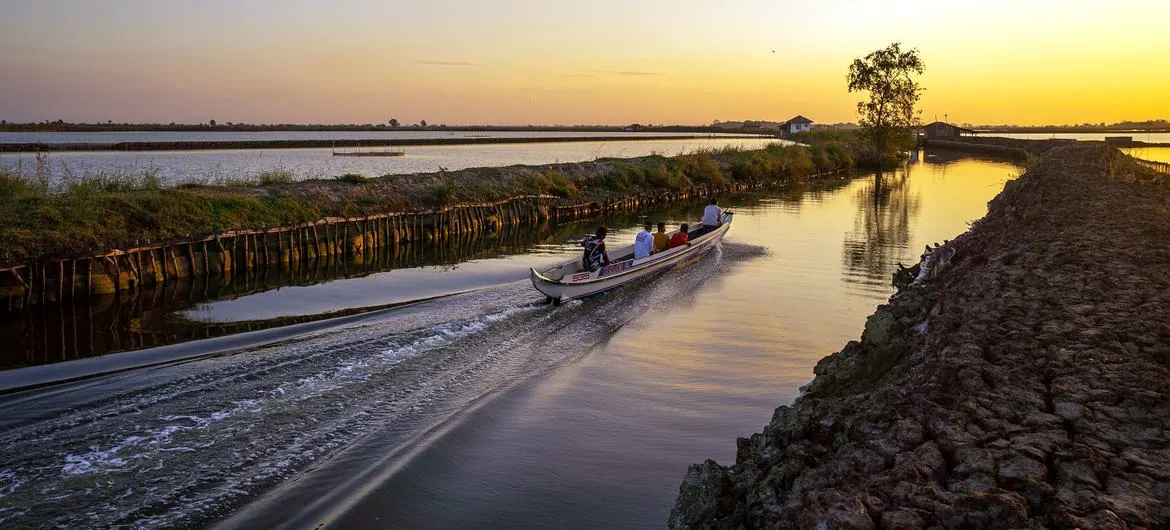
A recent study by the International Maritime Organization (IMO) has found that the use of hybrid and electric boats in the Marmara Sea, Turkey, could reduce greenhouse gas emissions by 63%. This transition is expected to prevent approximately €500 million in health and environmental damage costs. The IMO suggests that this shift could also support around 1,100 jobs annually and create thousands more in Turkish shipyards by 2050.
The Marmara Sea serves as a crucial passage for 25 million passengers every year. According to the IMO, electric and hybrid propulsion systems are viable options for all assessed boat and ferry operations in this region. Compared to continued diesel operations, a combination of hybrid and fully electric boats could reduce CO2 emissions by nearly two-thirds by 2050. If the entire fleet were converted to fully electric operations, emissions could be cut by 84% by 2050.
However, several challenges need to be addressed for large-scale implementation, including charging infrastructure, initial investment, and a coordinated plan. The IMO notes that Turkey's established shipbuilding experience could support the electrification of its fleet. This initiative could also contribute to the development of the renewable energy industry in Turkey and reduce dependence on imported fuels.
In the most favorable scenario, the necessary investment could support an average of 1,100 jobs per year until 2050, equivalent to approximately 27,500 jobs annually until 2051. The IMO emphasizes the importance of a coordinated approach among the government, municipalities, ports, boat operators, and the Turkish energy sector.
The study highlights the potential economic and environmental benefits of adopting electric and hybrid boats in Turkey. By transitioning to more sustainable propulsion systems, Turkey can reduce its carbon footprint and contribute to a cleaner environment. This shift is also expected to have a positive impact on the local economy and job market.
The IMO's findings are based on a thorough analysis of the Marmara Sea's boat and ferry operations. The organization's recommendations aim to support Turkey in achieving its environmental and economic goals. By adopting electric and hybrid boats, Turkey can take a significant step towards reducing its greenhouse gas emissions and promoting sustainable development.
The implementation of electric and hybrid boats in Turkey is seen as a crucial step towards a more sustainable future. With the right approach and investment, Turkey can capitalize on the benefits of this transition and become a model for other countries to follow. The IMO's study provides a valuable framework for policymakers and stakeholders to work together towards a more environmentally friendly and economically viable maritime industry.
Key points
- Electric and hybrid boats could reduce CO2 emissions by 63% in the Marmara Sea, Turkey.
- The transition to electric and hybrid boats could support around 1,100 jobs annually and create thousands more in Turkish shipyards by 2050.
- A coordinated approach among the government, municipalities, ports, boat operators, and the Turkish energy sector is necessary for large-scale implementation.