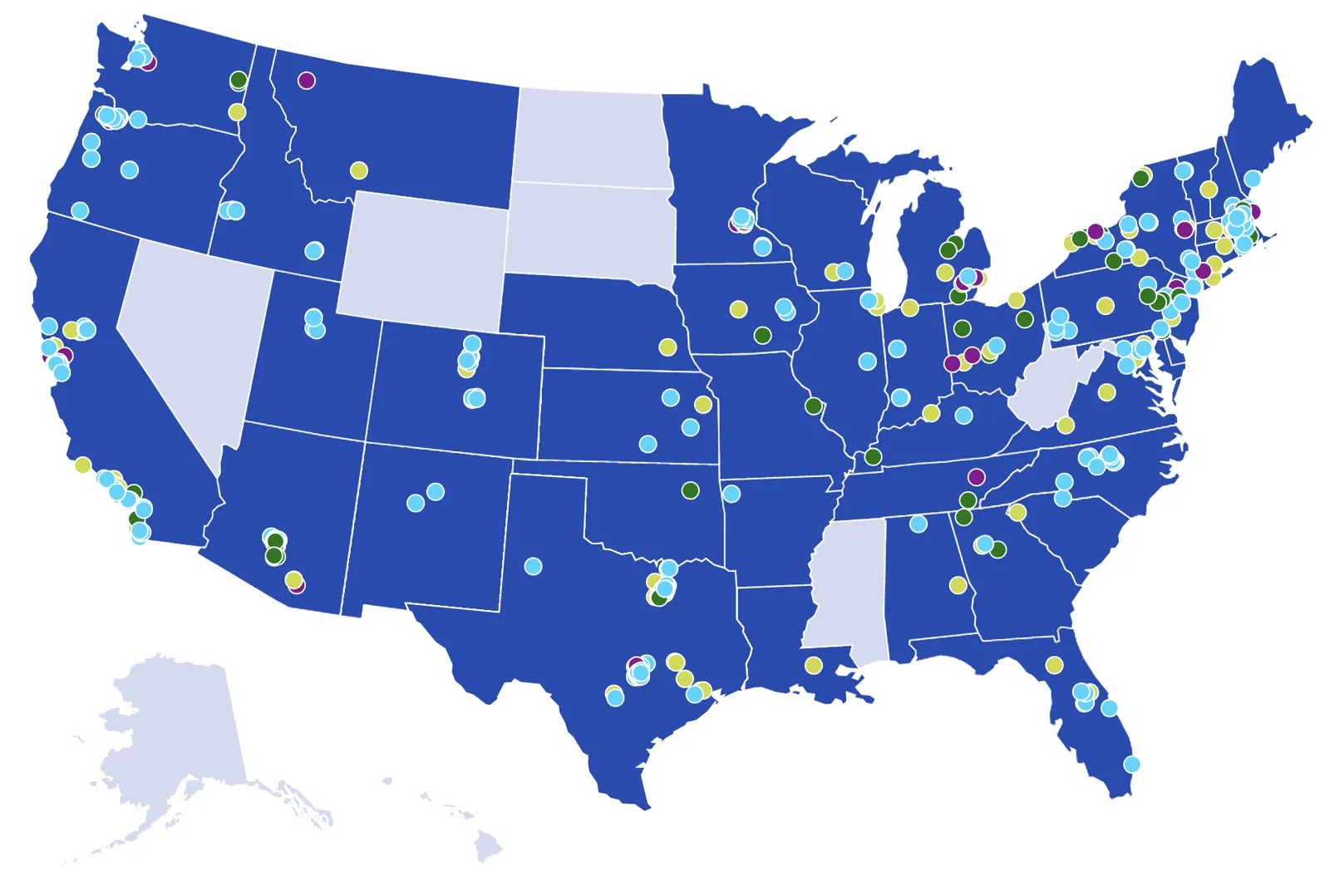
Semiconductor developers across the United States are expediting site work to meet the December 2026 deadline for eligibility for Section 48D of the Internal Revenue Code. This section offers a 35 percent advanced-manufacturing tax credit created by the CHIPS and Science Act. To qualify, firms must demonstrate that physical construction, such as concrete pours or foundation work, has officially begun. The credit will disappear unless Congress extends the cutoff.
The Treasury's finalized guidance stresses that tangible on-site work is mandatory for credit qualification. Pre-construction activities like environmental surveys or contract signing are insufficient. Developers can satisfy the credit requirements by passing the Physical Work Test or using a 5 percent Safe Harbor. This allows them to pre-pay a small portion of project costs to claim the incentive.
The scale of investments racing to start before the deadline is illustrated by projects like the $3 billion 'Project Hercules' data-center venture in Appomattox County, Virginia. AVAIO Digital Partners has already secured a 400-acre industrial park and approved zoning. Such large-scale projects aim to benefit from the tax credit, prompting swift action before the deadline.
The Treasury's rules also permit split-ownership models. This allows separate taxpayers to own contiguous infrastructure, such as nitrogen air-separation units, while still qualifying for the credit. This flexibility in ownership structures is expected to encourage more participation in the semiconductor projects.
To maintain eligibility, developers must sustain construction activity through a 10-year continuity safe harbor that extends to 2036. This ensures projects remain on track beyond the initial credit window. Such a long-term commitment is necessary to support the growth of the semiconductor industry in the US.
Tech firms are accelerating construction on multibillion-dollar semiconductor projects to qualify for the 35 percent tax credit. The CHIPS and Science Act created this incentive to boost domestic semiconductor production. With the deadline looming, companies are working to start physical construction and secure the credit.
The rush to start semiconductor projects before the December 2026 deadline highlights the importance of the CHIPS Act in driving investment in the US semiconductor industry. With large-scale projects like 'Project Hercules' underway, the industry is poised for significant growth. The impact of these investments will be closely watched in the coming years.
Key points
- The December 2026 deadline for the 35 percent tax credit has prompted tech firms to accelerate construction on multibillion-dollar semiconductor projects.
- The CHIPS and Science Act created the tax credit to boost domestic semiconductor production.
- To qualify for the credit, firms must demonstrate that physical construction has officially begun by the deadline.