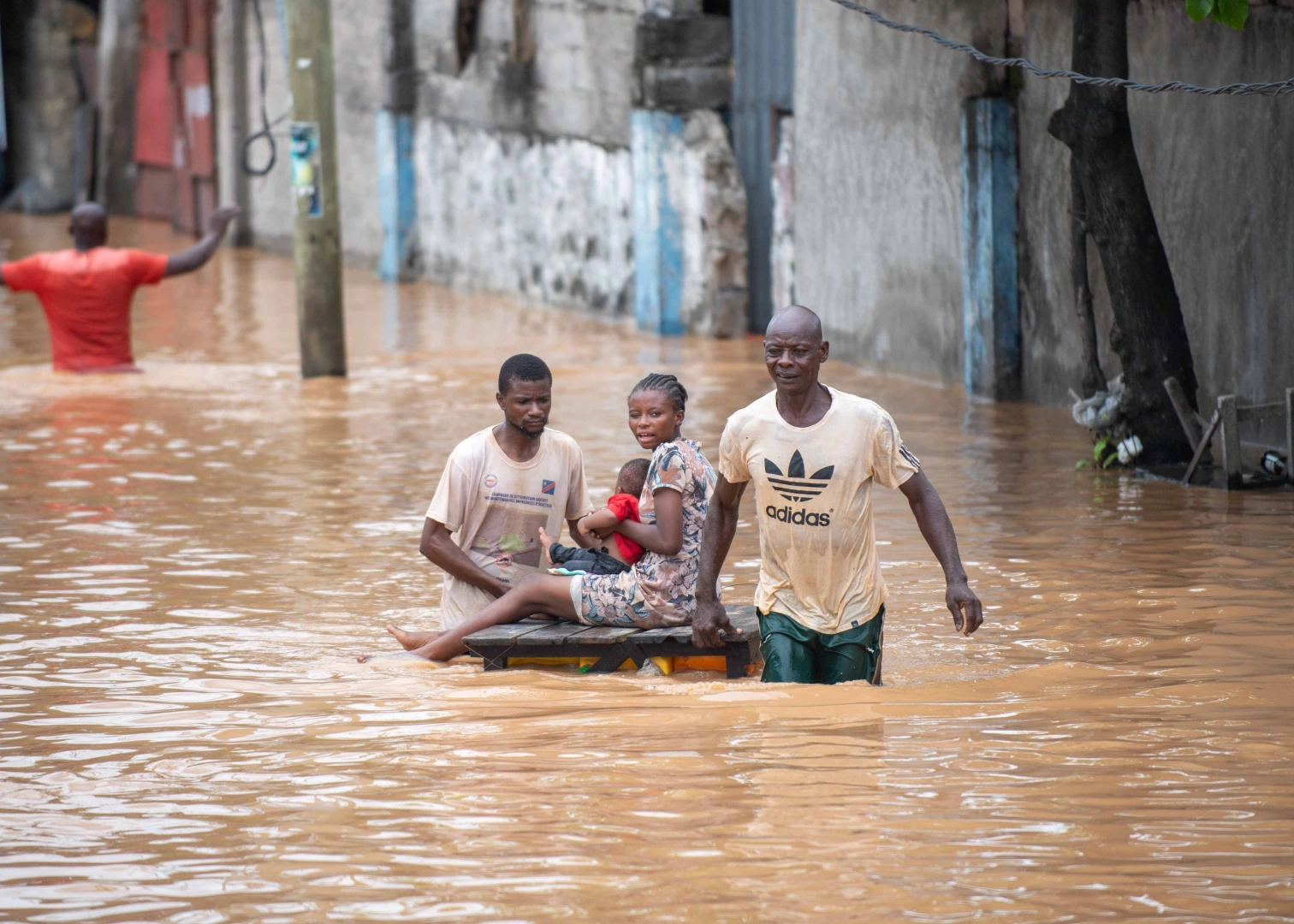
The Kenyan government has instructed mobile network operators to send emergency messages to all active subscribers regarding the impending El Niño rains, which are expected to hit the country within weeks. The Communications Authority of Kenya has directed Safaricom, Airtel, Telkom, and Jamii Telecommunications to deliver government-authorized messages to all subscribers, regardless of their Do Not Disturb settings or earlier opt-outs. These messages may be drills, general advisories, or urgent instructions to move.
The El Niño phenomenon is expected to bring above-average rainfall to most parts of Kenya, with the World Meteorological Organization predicting a strong event by the end of 2026. The Kenya Meteorological Service Authority has forecast a 90% chance of above-average or very high rainfall, although forecasters stress that this does not mean every county will flood. The government has identified 10 priority counties at high risk, including Tana River, Garissa, Kisumu, and Mombasa.
Residents in flood-prone areas are being urged to take precautions and prepare for the worst. The government has advised people to have a ready go-bag with essentials such as water, medicines, and a charged power bank. In the event of flooding, residents are advised to treat floodwater as contaminated, drink only safe or treated water, and seek medical care for any injuries or signs of illness. Caroline Karugu, Acting PS for the State Department for Arid and Semi-Arid Lands, has urged people living in areas prone to floods and landslides to relocate immediately.
The government has identified several challenges in its preparations for the El Niño rains. A national assessment found that Kenya enters the rainy season at 54% flood readiness, with 18 counties and 5,660 health facilities in at-risk areas. The Auditor General’s review of the 2024 floods found gaps in early warning and evacuation, which are critical components of this year’s plan. Additionally, there are concerns about funding, with no dedicated funding for El Niño response in the 2026/27 budget.
The government is working to address these challenges, but there are concerns about the availability of resources. The KES 51.8 billion World Bank facility will have to cover Ebola and energy risks, in addition to El Niño response. US funding for the Red Cross has also fallen by about 40%. Despite these challenges, the government is urging people in flood-prone areas to move to safer locations, but many households have no relatives on higher ground and no money to rent elsewhere.
The success of the government’s plan will depend on several factors, including the availability of evacuation centers and a family plan agreed in advance. Residents need to know where to go, which route to take, and who will help children and older relatives in the event of an emergency. The government has identified 10 priority counties, but there are concerns about the unevenness of preparations across counties, with Murang’a showing major gaps despite its landslide risk.
As the El Niño rains approach, the government is urging residents to take precautions and prepare for the worst. With 90% of the country expected to experience above-average rainfall, it is essential that residents take steps to protect themselves and their families. By having a plan in place and taking precautions, residents can minimize the risks associated with the El Niño rains and stay safe.
Key points
- The Kenyan government has instructed mobile network operators to send emergency messages to all active subscribers regarding the impending El Niño rains.
- The El Niño phenomenon is expected to bring above-average rainfall to most parts of Kenya, with a 90% chance of above-average or very high rainfall.
- Residents in flood-prone areas are being urged to take precautions and prepare for the worst, with a focus on evacuation and safety.