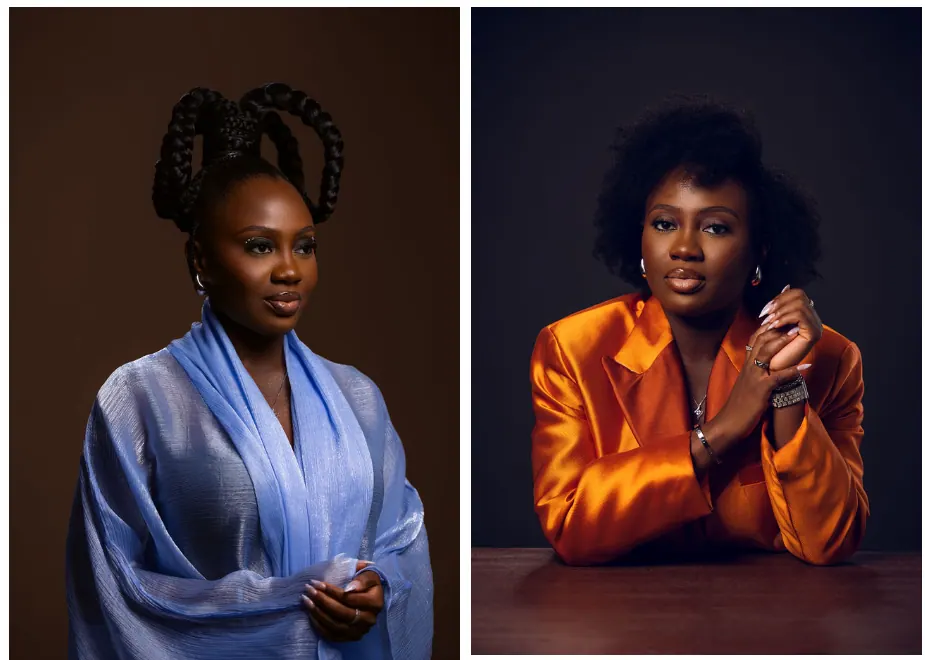
Adanna Madueke, a digital creator, has built a massive following across YouTube, Instagram, and TikTok with her natural hair tutorials and cultural commentary. With over 1.5 million followers, she has been featured on major international outlets like CBC News, CityNews, and ELLE Canada. However, her online presence is just the beginning of her entrepreneurial venture. Madueke has systematically converted her digital trust into a diversified cultural and economic ecosystem through her brand, OurHairitage.
OurHairitage spans product lines and wellness platforms across North America, the UK, and Africa. Madueke's vision is to establish physical infrastructure to train young women in natural hair care, certifying their skills and equipping them to treat beauty as a formal, high-value trade. The upcoming launch of the OurHairitage Academy in Lekki, Lagos, marks a significant milestone in her journey. The academy aims to provide training and certification in natural hair care, empowering young women to build a career in the beauty industry.
Madueke's journey to becoming a digital creator was not without its challenges. As a Nigerian first-born child, she was expected to pursue a career in medicine. However, her passion for hair and her experiences in Canada, where she struggled with her confidence and identity, led her to start creating content around natural hair. Her videos took off, and she began to receive messages from people who felt empowered by her content. This sparked an idea to build a business that catered to the needs of African women with natural hair.
The OurHairitage Academy is a key component of Madueke's strategy to convert diaspora influence into physical infrastructure in Nigeria. She notes that building a business in Lagos requires a different approach than building an online audience. It takes longer, and consistency is key. Madueke has worked with a founding operator who understands the Lagos market, and together, they bring the brand, curriculum, and audience to the table. Her reach can open doors, but it's the team on the ground that keeps them open.
Madueke's approach to building a sustainable business is centered around authenticity. She believes that her community has been with her for years, and they can spot inauthenticity. Therefore, she only puts her name on things she would use herself, whether it's the Hair Growth Journal or training programs. The discipline required to build a profitable business is not mutually exclusive with authenticity, according to Madueke. In fact, building something profitable is part of being authentic to her community.
Madueke's entrepreneurial ventures also include Date My Hair, an unscripted entertainment format that brings African beauty narratives to mainstream television. The show aims to challenge people's opinions about hair and identity in a fun and engaging way. By owning the format, Madueke and her team can control how African hair and identity are represented, rather than waiting for someone else to tell their story. The show is set to premiere in December.
Madueke's project, Our African Hairitage, explored hair traditions across Nigeria, Senegal, and Kenya. The experience showed her that hair on the continent has never been just about beauty; it's also a tool for survival, a symbol of identity, and a representation of living history. This realization shaped her approach to building businesses that celebrate African hair and culture. Her initiatives, such as Stop The Cut and the OurHairitage Academy, aim to promote hair as heritage, not just a skill.
Key points
- Adanna Madueke is building a diversified cultural and economic ecosystem through her brand, OurHairitage.
- The OurHairitage Academy aims to provide training and certification in natural hair care, empowering young women to build a career in the beauty industry.
- Madueke's approach to building a sustainable business is centered around authenticity, which she believes is key to building trust with her community.