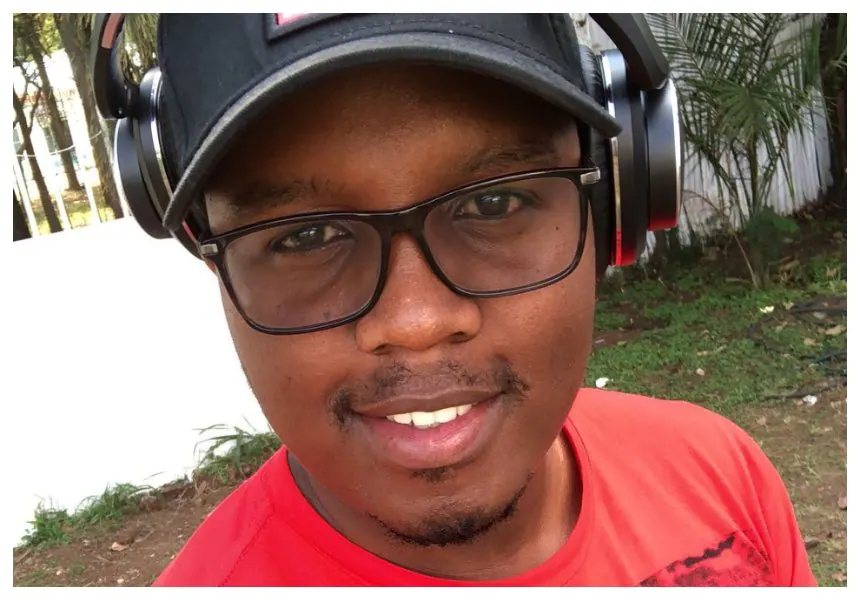
Kenyan filmmaker Abel Mutua has spoken out against the backlash targeting content creators who partner with the government. In an interview on September 30, 2026, Mutua emphasized that influencers have the right to support any political faction without being vilified. He urged Kenyans to make their own political choices rather than relying on celebrity endorsements. Mutua's comments come amid a growing rift over influencer neutrality on social media. Many content creators have faced online backlash for perceived pro-government affiliations.
Mutua questioned the public outrage directed at creators working with President William Ruto's administration. He pointed out that interacting with or being employed by the government is common across many sectors. Mutua asked why citizens celebrate political leaders for fulfilling standard duty requirements, saying, "Why are we clapping for you for doing what you are supposed to do?" His statements have further polarized the conversation around digital creators in Kenya.
The controversy surrounding influencer neutrality has led to online boycotts and accusations of "sellouts" against content creators perceived as pro-government. Mutua noted that creators often feel trapped by audience expectations to echo popular sentiment rather than express authentic views. He reflected on his own evolving stance on public commentary, saying that creators are often forced to tell people what they want to hear rather than their honest opinions.
Mutua's stance has highlighted a sharp divide over whether public figures carry an ethical obligation to align with public sentiment or remain free to monetize and express their individual political choices. The debate has sparked a heated conversation on social media, with many Kenyans weighing in on the issue. Some have defended Mutua's right to express his opinions, while others have criticized his stance as insensitive to the concerns of ordinary citizens.
The issue has also raised questions about the role of influencers in shaping public opinion. Mutua urged Kenyans to rely on personal experience rather than celebrity endorsement when forming political opinions. He emphasized that citizens, not social media personalities, should take ownership of their own political choices. Mutua's comments have sparked a necessary conversation about the responsibilities of influencers in Kenya's democratic process.
The backlash against influencers working with the government has led to concerns about the limits of free speech in Kenya. Some have argued that the government is attempting to silence critical voices, while others have defended the right of influencers to work with the government. The controversy has highlighted the complex relationships between influencers, the government, and the public in Kenya.
Ultimately, Mutua's defense of influencers partnering with the government has sparked a necessary conversation about the role of public figures in Kenya's democratic process. His comments have highlighted the need for greater nuance and understanding in discussions about influencer neutrality and the responsibilities of public figures.
Key points
- Abel Mutua defends influencers working with the Kenyan government.
- Mutua urges Kenyans to make their own political choices.
- The controversy has highlighted a sharp divide over influencer neutrality in Kenya.