The education sector in Gaza is struggling to recover from the devastating impact of the ongoing conflict. According to Dr. Bader Zamaera, National Coordinator of the Gaza Relief Campaign, 98% of schools in the Gaza Strip have been damaged or destroyed, with many converted into shelters. This has left a significant shortage of functional schools, severely affecting the education of thousands of students.
Before the conflict, Gaza's education system was already facing challenges due to high student density. The system operated on a two-shift schedule, with students attending school in two separate sessions. However, with the destruction of most schools, the situation has become even more dire. The few remaining schools, whether run by the Palestinian Authority or the United Nations Relief and Works Agency for Palestine Refugees (UNRWA), are struggling to cope with the demand.
Dr. Zamaera described the current state of education in Gaza as extremely difficult. The sector has faced nearly six years of disruption and loss, starting with the COVID-19 pandemic and exacerbated by the recent conflict. This has resulted in significant learning losses and a substantial backlog of students who need to catch up. The situation is further complicated by the lack of teachers, educational materials, and infrastructure.
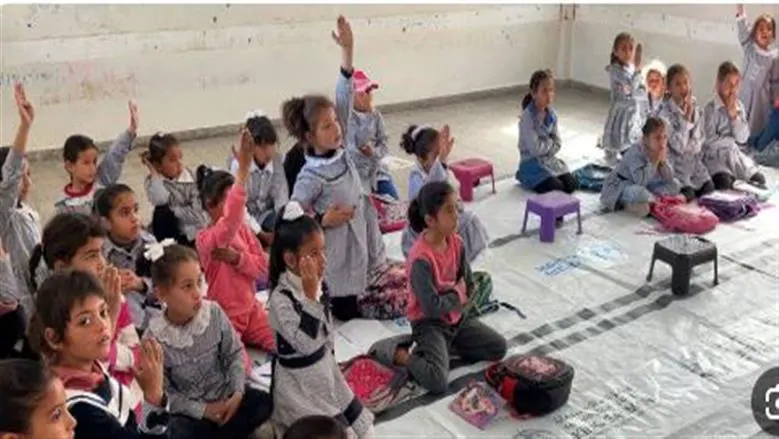
Despite the challenges, some efforts have been made to restore education in Gaza. The Ministry of Education has established around 687 temporary learning spaces, while UNRWA has set up approximately 100 educational sites. These temporary arrangements are a crucial step towards resuming education, but many obstacles remain, including the difficulty of transporting teachers and educational materials across the sector.
The destruction of schools has not only affected the students but also the teachers and staff. Many schools have been converted into shelters for displaced persons, leaving teachers without a workplace. The situation is further complicated by the geographical constraints of the Gaza Strip and the division caused by the "green line," making it difficult for teachers to reach their assigned schools.
The international community has expressed concern over the situation in Gaza, with some organizations calling for urgent action to support the education sector. The destruction of schools and educational infrastructure has long-term implications for the future of Gaza's children and the development of the sector as a whole.
The Gaza Relief Campaign and other organizations are working to provide support to the education sector in Gaza. This includes providing educational materials, training for teachers, and advocacy for the rights of students and teachers. However, much more needs to be done to address the scale of the crisis and ensure that children in Gaza have access to quality education.
Key points
- 98% of Gaza's schools have been damaged or destroyed
- The education sector in Gaza faces significant challenges due to the ongoing conflict
- Temporary learning spaces have been established to support the resumption of education