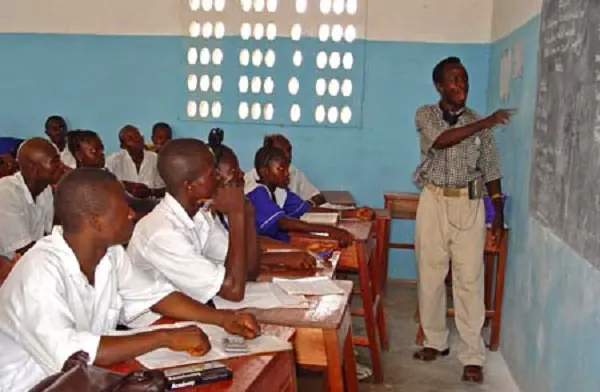
The Sierra Leone Teachers' Union (SLTU) has expressed concerns over the current state of teacher salaries in the country. According to SLTU President Ibrahim Bankapoma Kargbo, about 60 percent of teachers receive a net monthly salary of NLe1,500. This has led to a decline in teacher morale, which could affect the quality and sustainability of teaching in Sierra Leone. The union is calling for improved pay and working conditions for teachers.
Kargbo highlighted the disparity in teacher salaries, noting that teachers with different academic qualifications can receive the same salary despite differences in their training and responsibilities. He described the situation as a "serious injustice" in the education sector. The SLTU president also pointed out that teachers across different grades receive less than public servants with comparable academic qualifications elsewhere in government.
The decline in the purchasing power of teachers' salaries over time is also a major concern. Kargbo noted that in 2017, his take-home salary as a head teacher was about NLe1,500, which was equivalent to approximately US$250 at the time. However, his current take-home pay is about NLe2,500, but is worth only around US$105, based on the current exchange rate. Despite a 75 percent increase in nominal salaries since 2018, teachers' living standards have not improved.
The SLTU is currently negotiating a new Collective Bargaining Agreement with the government. Kargbo said the previous agreement had expired after three years, and teachers had secured a 45 percent salary increase over that period, implemented at 15 percent per year. The union is expecting further improvements. Teachers and school authorities have also raised issues over inadequate school subsidies, delays in payments, and shortages of auxiliary staff.
Primary schools receive NLe10 per child, junior secondary schools NLe40, and senior secondary schools NLe60 in subsidies, amounts which have remained unchanged despite rising costs. Kargbo said delays in subsidy payments had also left some auxiliary workers without salaries for months. When the new school year began in September, schools had reportedly gone five months without receiving subsidies.
The situation has forced some teachers to engage in petty trading or organize unofficial extra classes to supplement their incomes. The Teaching Service Commission (TSC) has acknowledged the concerns and is working to address the issues through its role in negotiations between teachers and government. Jammie Victory Sankoh, Public Relations Manager at the TSC, said the Commission recognizes the concerns raised by teachers and described them as legitimate.
The concerns come as Sierra Leone marks World Teachers' Day against the backdrop of the government's Free Quality Education programme, introduced in 2018. The programme eliminated fees for primary and secondary education and transition examinations and was accompanied by increased government spending on education. Education received 20 percent of the national budget in the first year of the programme, with allocations subsequently fluctuating between 20 and 22 percent.
Key points
- 60% of teachers in Sierra Leone receive a net monthly salary of NLe1,500.
- The Sierra Leone Teachers' Union is calling for improved pay and working conditions for teachers.
- The decline in the purchasing power of teachers' salaries over time is a major concern.