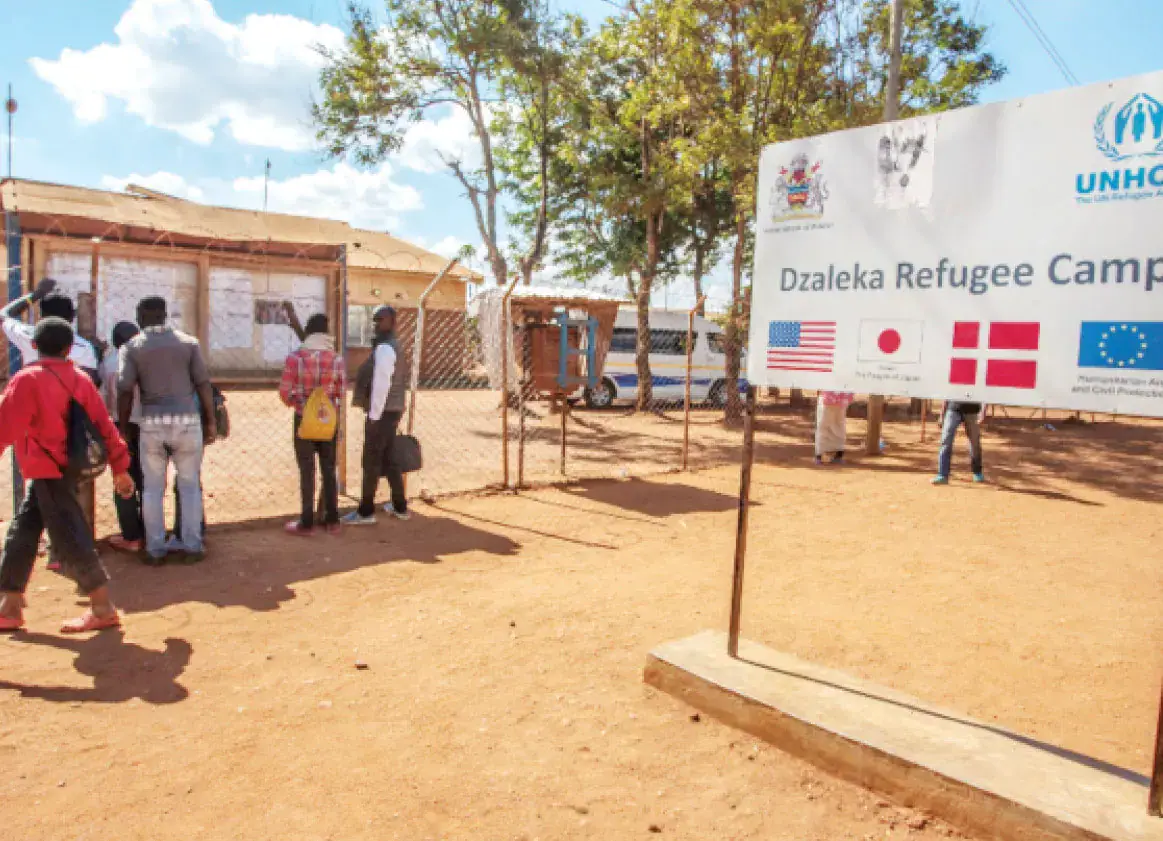
The Dzaleka Refugee Camp in Malawi is facing a humanitarian crisis as the United Nations World Food Programme (WFP) reduces food assistance to 35,000 refugees due to a funding shortage. The camp is home to over 65,000 refugees and asylum seekers, mostly from the Democratic Republic of Congo, Burundi, and Ethiopia. The WFP's decision will leave 30,000 refugees without food assistance, exacerbating their already dire living conditions.
Roger Chamavu, a refugee from the Democratic Republic of Congo and founder of Children Relief Service Organisation, has expressed concerns about the impact of the reduced food assistance on the vulnerable population. He notes that many refugees have limited opportunities to earn a living and rely heavily on external assistance to meet their basic needs. The reduction in food assistance will deepen hardship and create divisions among people who are already struggling to survive.
The WFP's decision to reduce food assistance was announced on November 13, 2026, citing a funding crisis. The agency will provide monthly cash assistance of $8 to the 35,000 eligible refugees, covering about 50 percent of their food needs. This represents a reduction from previous assistance, which covered up to 75 percent of refugees' food requirements. The development has raised questions about how the 30,000 refugees who will no longer qualify will meet their basic needs.
Human rights activist Edward Kambanje has raised concerns about the impact of the reduced food assistance on human dignity and the right to adequate food. He argues that access to adequate food is a fundamental human right, not a privilege extended to refugees. Kambanje warns that reduced assistance could contribute to malnutrition, school absenteeism, child labor, early marriages, and exploitation, particularly among women, children, and people with disabilities.
The concerns about the reduced food assistance have led to tensions at the camp. On November 18, 2026, police arrested three male Ethiopians for allegedly pelting stones at patrolling officers and obstructing officers on duty. The police had received information that some refugees were planning demonstrations against the WFP decision. The developments illustrate the sensitive atmosphere surrounding the changes in food assistance at the camp.
WFP Representative and Country Director in Malawi, Hyoung-Joon Lim, has appealed for additional funding to support the refugees. He notes that the agency has progressively reduced assistance over the years as funding declined, but the current situation is critical. Lim says that $7.2 million is required to restore full rations for the 35,000 refugees until April 2027.
UNHCR Multi-Country Office Representative for Malawi, Zambia, and Zimbabwe, Helen Mebrahtu, has expressed concern about the impact of funding shortages on refugees and asylum seekers. She notes that the organization will continue working closely with the government, WFP, and other partners to monitor the impact of this transition and respond to emerging protection risks.
Key points
- 30,000 refugees at Dzaleka Camp will be left without food assistance due to a funding crisis.
- The WFP will provide monthly cash assistance of $8 to 35,000 eligible refugees, covering about 50 percent of their food needs.
- Human rights activists are calling for an immediate reassessment of households excluded from the programme and for the government to accelerate the review of the Refugees Act.